Buildout of solar and battery storage is progressing at a rapid pace and may continue to do so for at least the next two years.
According to a March 2026 report from the Energy Information Administration, the short-term outlook foresees U.S. electricity generation increasing by 4% through the end of 2027—roughly 170 million megawatt-hours (MWh). EIA predicts that renewables will be responsible for that increase, with generation from utility-scale wind, solar and hydropower increasing by 201 million MWh through 2027.
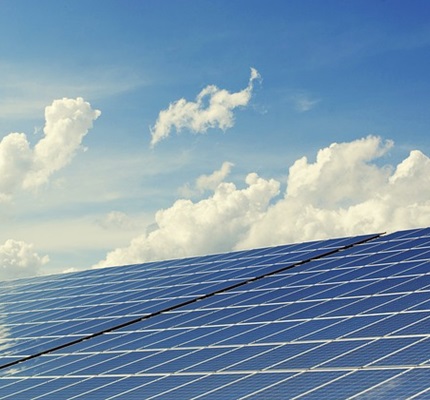
Solar is the fastest growing renewable resource. Its total output from utility-scale facilities is expected to reach 418 million MWh by the end of 2027 and to increase 275 million MWh in five years, for a market share of just under 10%.
In the Midcontinent Independent System Operator (MISO) system reaching from Louisiana to Minnesota and Michigan, solar generation has increased from 1% of total MISO demand in 2023 to 4.5% in 2025. Overall demand has risen almost 7% in the past two years, with solar accounting for 55% of the increase and wind providing another 17%, while coal- and gas-fired generation was down 3%.
Similarly, the Electric Reliability Council of Texas (ERCOT), the largest solar market in the U.S., has experienced a rise in solar generation from 0.2% of the system’s electric needs in 2016 to just under 14% in 2025.
Other markets are also seeing growth. In 2025, solar met 11% of NextEra Energy subsidiary Florida Power and Light’s demand—more than double its 2021 share of 4.4%. FPL’s latest long-term resource plan predicts that its installed solar capacity will increase threefold by 2034 to 24,471 MW, from 7,932 MW in 2025, tripling its share of the utility’s annual demand to almost 35%.
Nevada currently generates 34.4% of its electricity from solar—29.5% from utility-scale projects and another 4.9% from rooftop or other small-scale installations. EIA data indicates that an additional 2,893 MW of utility-scale solar are currently under development and scheduled to come online by the end of 2029.
The growth of small-scale solar and the rapid, transformative adoption of dispatchable battery storage are national trends that will transition the industry away from fossil fuel resources. Output from distributed resources has doubled since 2020, and currently makes up more than 2% of total U.S. generation. Four states produced more than 10% of their power from small-scale solar: Massachusetts (16.0%), Hawaii (15.1%), California (14.5%) and Vermont (10.3%). In the New England market run by ISO-NE, rooftop solar often provides more than 20% of total demand.
Batteries are typically charged during the day when wholesale power prices are low. Batteries are then discharged into the grid during periods of higher demand and prices; specifically, early evening around sunset and in the morning just before sunrise.
According to EIA data through 2025, only five states have more than 1,000 MW of installed battery storage capacity: Arizona, Nevada, New Mexico, California and Texas. By 2030, EIA data predicts that 12 states will have more than 1,000 MW of installed battery storage capacity, and four others will top 500 MW.
About The Author

Lori Lovely is an award-winning writer and editor in central Indiana. She writes on technical topics, heavy equipment, automotive, motorsports, energy, water and wastewater, animals, real estate, home improvement, gardening and more. Reach her at: [email protected]