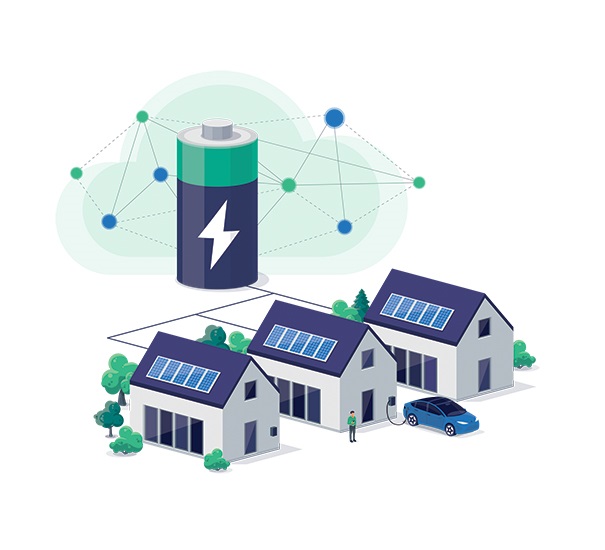
Virtual power plants (VPPs) may become one of the most transformative infrastructure changes in the U.S. energy sector over the next decade, reshaping how electricity is generated, store and consumed.
As demand surges—projected to rise from 800 GW in 2024 to 900 GW by 2030—a new analysis of EIA utility data by Grid Rails, San Francisco, reveals that more than 10.9 million customers are currently enrolled in demand-response and grid flexibility programs nationwide, representing over 31 gigawatts (GW) of potential peak demand savings capacity. However, only about 12 GW is currently being fully realized.
There are vast differences in readiness and adoption across different states. Florida, Minnesota, North Carolina and California lead in distributed energy coordination. Meanwhile, Puerto Rico, where grid instability, hurricane vulnerability and high energy costs have accelerated interest in distributed energy systems, batteries and resilient microgrid infrastructure, demonstrates the need for decentralized energy coordination.
“The findings highlight both the progress utilities have made and the opportunity that remains ahead,” said Michael Grasso, CEO of Grid Rails. Despite the millions of customers participating in these programs, nearly 80% of the potential remains untapped.
“As demand grows from A.I., electrification and EV adoption, the challenge is deploying more distributed energy resources while also coordinating, dispatching and settling them at scale to unlock their full value for the grid,” he said.
Grasso pointed out that utilities are increasingly relying on flexible demand instead of new generation because demand-response is faster, more cost-effective and aligned with decarbonization goals. By optimizing existing infrastructure, supporting renewable resources and reducing reliance on expensive, emissions-intensive generation, it contributes to a more resilient grid.
Conversely, adding new power plants can take 5–10 years, due to permitting, construction and interconnection issues, but demand-response programs can be deployed in as little as a few weeks using existing infrastructure.
VPPs are expected to become the backbone of a more resilient, cost-effective and clean energy system over the next decade. According to the Department of Energy, deploying 80–160 GW of VPPs by 2030 could expand grid capacity, redirect spending from expensive peaker plants to distributed resources and cut annual grid costs by $10 billion. Doing so would help meet the 100% clean electricity by 2035 and net-zero by 2050 goals.
VPPs can deliver this without building new centralized plants. They can provide localized, decentralized power during disruptions such as extreme weather events. VPPs can also create new revenue streams for households, businesses and communities.
Despite the vision of redefining infrastructure investment and reducing reliance on fossil-fuel peakers to help create a more flexible grid, currently, many utility systems are designed on a unidirectional, centralized grid model and are unequipped to integrate and compensate DER owners, who are not always viewed as active participants in grid services. Additionally, most market structures don’t reflect load shifting, peak shaving and VPP coordination. Permitting or interconnection challenges can delay deployment.
About The Author

Lori Lovely is an award-winning writer and editor in central Indiana. She writes on technical topics, heavy equipment, automotive, motorsports, energy, water and wastewater, animals, real estate, home improvement, gardening and more. Reach her at: [email protected]