Rising electricity demand and the pressing need to reduce carbon emissions present competing challenges for the energy industry. Energy-efficient technology has become one of the most effective means of addressing both. Heat pumps are at the top of the list.
According to a study by the American Council for an Energy-Efficient Economy (ACEEE), advances in energy efficiency have made the technology extremely valuable in today's energy environment.
The report, “Efficiency Saves: Cutting Energy Waste Can Save $31,000 per Household,” was published in July. It examined several different opportunities to lower energy bills, manage rising peak electricity demand and strengthen the economy and the environment.
Looking at these opportunities, the study concludes that energy efficiency is “the fastest, cheapest, and cleanest way to meet our energy needs.”
The report adds that efficiency can help address the “major, interlocking energy challenges” of rising home energy prices and demand as well as high greenhouse gas emissions from burning fossil fuels.
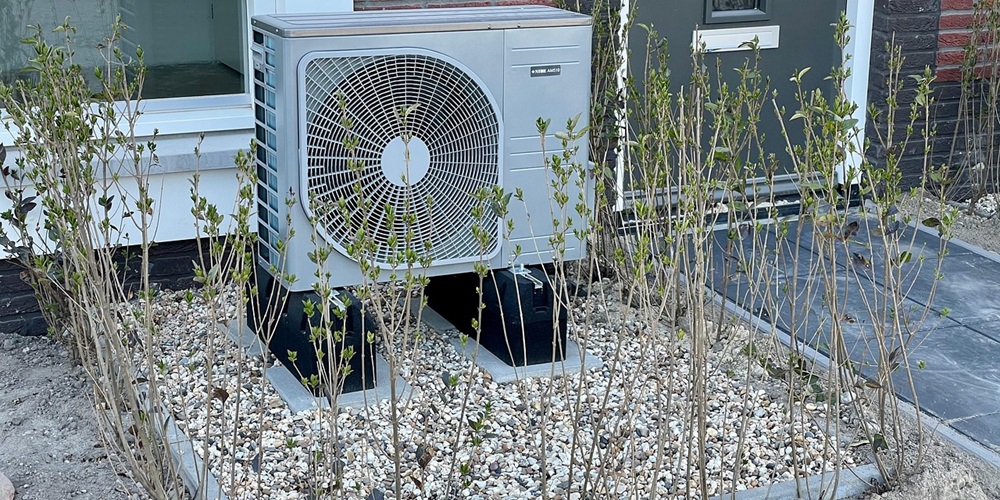
Emphasizing the role of government in making policies that support more energy-efficient buildings, the report observes that policies that shift the market away from less-efficient electric resistance and gas furnace heating towards efficient heat pumps could produce the most significant potential savings.
Because of the technology used by heat pumps, the ACEEE report says, “they can provide far more heat than the energy they use.”
The report also adds that most heat pumps are electric.
According to ACEEE, a move to heat pumps, along with several other opportunities it highlights, has the potential for huge savings in costs and energy use.
The report projects that families and businesses could avoid about $4.8 trillion in wasted energy and related costs cumulatively between now and the year 2050. That comes to about $215 billion a year and almost $31,000 cumulatively per household over the 25- year time frame.
About The Author

LAEZMAN is a Los Angeles-based freelance writer who has been covering renewable power for more than 10 years. He may be reached at [email protected].