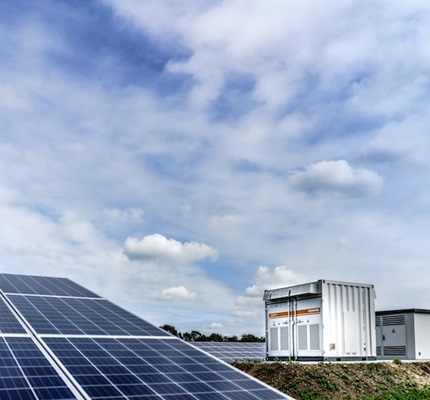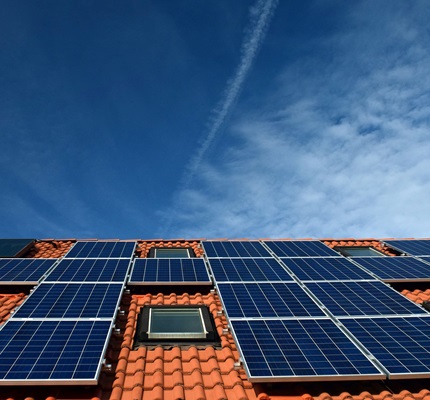
Cybersecurity is necessary for peak functionality of energy systems. That includes solar energy, which was responsible for almost 80% of new capacity added to the U.S. electric grid last year, according to a new white paper from the Solar Energy Industries Association (SEIA).
“Cybersecurity Priorities for America’s Solar and Storage Industry” recommends three tiers for strengthening these areas: supporting supply chain security; enhancing visibility, awareness and risk reduction; and strengthening baseline security practices.
Cyber threats come from many sources, including nation-states, ransomware gangs and “hacktivists,” and while cybersecurity incidents involving solar and storage have been small, the white paper points out that they are strategically important to American energy.
“Amid rising energy costs, growing demand from data centers, AI, and increasing energy needs from the electrification of transportation and heating loads, the United States needs every available electron on the grid to meet the moment,” according to the report.
According to the U.S. Department of Energy, a cyberattack on a solar installation is a major risk due in large part to the complexity of the inverters, which connect the solar panels and the grid. A cyberattack could introduce code into the inverter’s software that would spread malware to the grid. That could cause an unauthorized change in power delivery.
To that end, SEIA’s recommendations for strengthening cybersecurity priorities for the U.S. solar and storage industry should focus on strengthening baseline cybersecurity practices. The white paper notes that “SEIA supports standardized, national cybersecurity guidelines for distributed energy resources” that can cover the increasing amount of solar and storage installations. “These guidelines could then be used as the foundation for implementing state-level policies that impose minimum standards for compliance.”
Additionally, the white paper advocates supporting industry information and resource sharing, which could be an area of participation for electrical contractors. SEIA “will continue to engage with industry partners on tools and best practices to help industry better understand cybersecurity risks,” and assist the industry in making decisions that reduce those risks.
Another key area is increasing cybersecurity awareness, which is where contractors could also play a role. Cybersecurity, the white paper said, is a “highly dynamic and complex topic.” Facets like threats, regulations, best practices and especially technologies that contractors install evolve fast. This makes “continuous education and awareness essential in securing solar and storage systems.”
“As solar and storage continue to lead the way in adding new power capacity to the grid, cybersecurity must remain front and center,” said Tim Pawlenty, SEIA president and CEO.
About The Author

VOSS is a freelance writer based in the Chicago area and has worked extensively in the low- and high-voltage areas of the electrical industry. Contact him at [email protected].