One week after a devastating hurricane wreaked havoc on the southern region of the United States, utilities wrapped up their restoration efforts, reporting that all power had been restored.
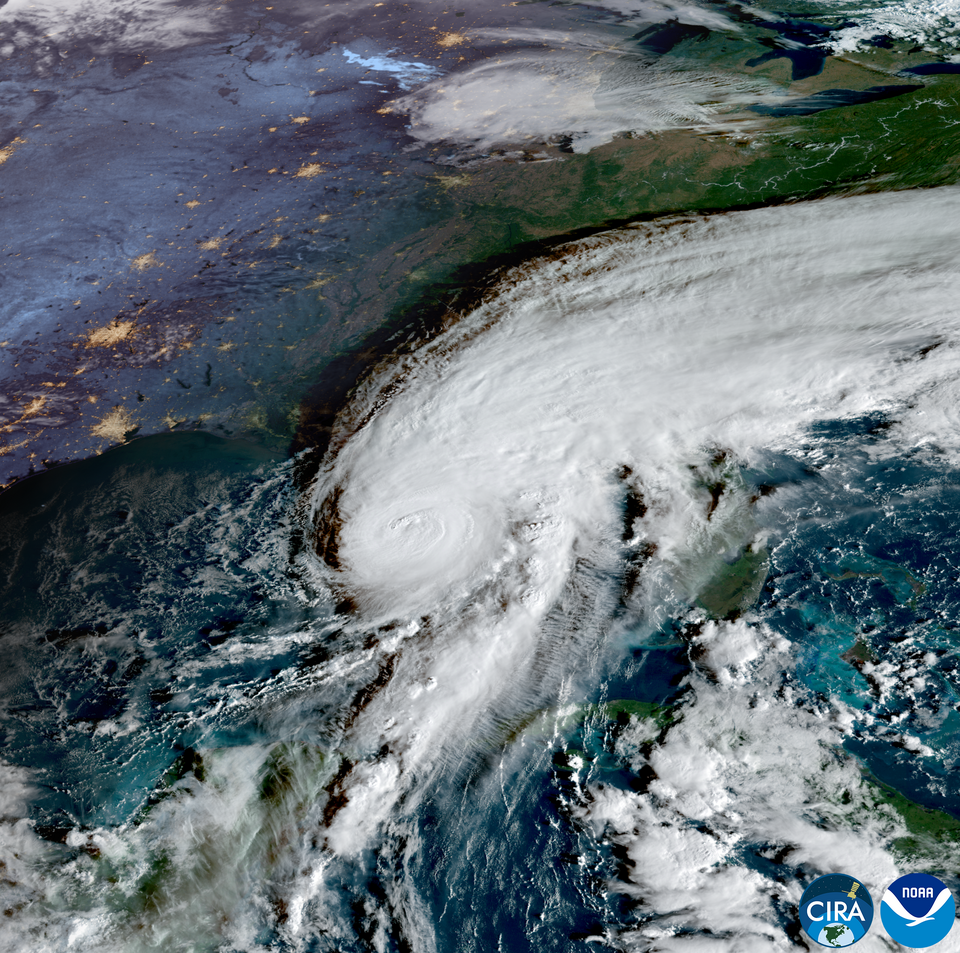
Hurricane Isaias touched down on Friday, Oct. 9, near Pensacola, Fla. The storm had been downgraded from a Category 3 Hurricane to a Category 2 by the time it made landfall. The change in status had no diminishing effect on the damage caused.
The storm unleashed an arsenal of powerful extremes, including excessive rain, winds in excess of 100 miles per hour, multiple tornados, storm surges, flash flooding, fallen tree limbs and debris. It carved a path from Florida and Alabama north and east through the Carolinas. Along the way, rooftops were ripped from buildings, nearly a million people lost power and four deaths were reported.
Utilities raced to restore power. According to the online storm tracking database, OutagePro, utilities reported more than 900,000 outages in multiple states.
The hardest hit states were the first to feel the effects of the storm. Florida Power and Light (FPL) reported 435,000 had lost power. Similarly, Alabama Power reported more than 400,000 customers had lost power.
FPL reported that nearly 17,000 restoration workers were deployed from 29 states.
Likewise, Alabama Power reported that its team was joined by more than 7,400 additional lineworkers from utilities in 28 states.
Both utilities completed their restoration efforts within about one week. On Oct. 16, FPL reported that it had restored service to “essentially all 435,000 customers impacted by Hurricane Isaias.”
Alabama Power announced that it had completed restoration efforts on Oct. 15.
Both utilities applauded the team effort and the speedy recovery time. They also credited technology and preparation for avoiding more widespread outages. According to FPL, approximately 140,000 outages were avoided through the use of smart grid technology, and underground neighborhood lines performed 14 times better than overhead lines.
Alabama Power also explains that it used predictive analytics, weather modeling and outage forecasts to identify which areas were likely to see the greatest impact and stage crews and resources to aide in the response.
About The Author

LAEZMAN is a Los Angeles-based freelance writer who has been covering renewable power for more than 10 years. He may be reached at [email protected].