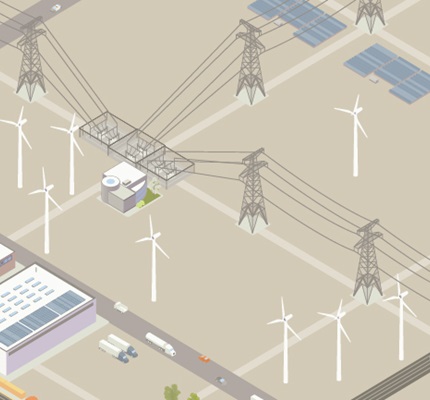
The share of electricity generated by renewable energy sources continues to grow, and that increase is happening at an opportune time.
According to the Energy Information Agency, EIA, electricity generated by the country's power sector will reach a record this year at almost 4,390 billion kilowatt-hours (BkWh). That is a 2.7% increase from last year, when the previous record was set. The EIA attributes this increase to high demand from the commercial sector and hot summer temperatures.
The EIA, which is the statistical and analytical agency within the U.S. Department of Energy (DOE), made its projections in the latest edition of its Short-Term Energy Outlook, published on Nov. 10. The Outlook, which is published monthly, includes data, analysis, and forecasts of prices, consumption and supply in the nation's various energy sectors.
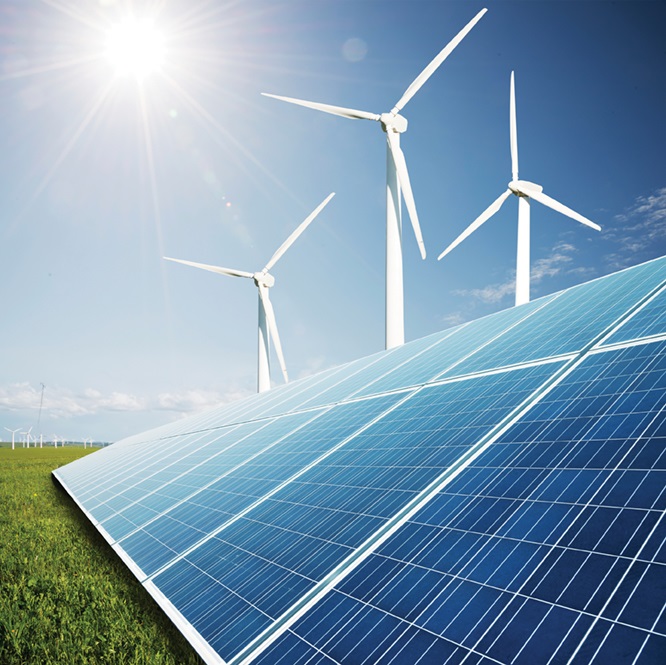
Notably, the increase in electricity generation is coming primarily from renewable sources, in particular, utility-scale solar and wind. Each is projected to increase its respective share of total U.S. electricity generation by single digit percentage points, although at slightly different rates.
The EIA projects wind power to increase from 11% in 2025 to 12% by 2027. Solar, which has a slightly smaller share, is projected increase its share at a somewhat faster clip, from 7% in 2025 to 8% in 2026 and nearly 10% in 2027.
The increase in the two reflects investment in development that has resulted in increased capacity. Solar is expected to add 72 gigawatts of new capacity over the next two years. Wind power will add another 20 gigawatts.
Meanwhile, the EIA projects generation from other energy sources will remain either flat or decrease. For example, the share of electricity generation from natural gas in the U.S. is projected to stay around 40% over the next two years, while nuclear will stay around 18%.
The EIA also projects the share of power coming from coal-fired power plants to decline by two percentage points, from 17% in 2026 to 15% in 2027. The retirement of 13 GW of coal capacity by the end of 2027 will contribute to this slight contraction.
About The Author

LAEZMAN is a Los Angeles-based freelance writer who has been covering renewable power for more than 10 years. He may be reached at [email protected].