A newly released ELECTRI International research report, “Small Modular Reactors (SMRs): A Roadmap for Electrical Contractors,” takes an early look at how this emerging market could affect the electrical construction industry. This report focuses on helping contractors understand where opportunities may develop in the future and what capabilities are worth building today to be prepared for this new technology. The timing is important. Growing electrical demand from data centers, advanced manufacturing, electrification and critical infrastructure has renewed interest in reliable, consistent power generation.
Small modular reactors have become part of that discussion because they offer a different approach to building nuclear facilities, one built around modular construction, repeatable manufacturing and standardized project delivery, which are the same concepts most ECs are considering already.
A different approach to nuclear construction
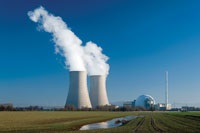
Small modular reactors produce electricity the same way conventional nuclear plants do; the difference is in the construction and design of the reactor. SMRs are intended to use factory-built modules that can be transported to the project site and assembled into a completed facility, using modularization and skid processes. Individual reactors generally produce less than 300 megawatts of electricity, although multiple units can be combined to meet larger power demands.
For electrical contractors, that concept should sound familiar. The industry has spent years investing in prefabrication, standardized assemblies, BIM coordination and off-site manufacturing. Many of the same principles that have improved commercial construction are reflected in the philosophy behind SMRs. The scale is different, but the emphasis on repeatability, quality and coordination is remarkably similar.
Where could SMRs be built?
Large data centers continue to push electrical demand higher as artificial intelligence and cloud computing expand. Manufacturing facilities are becoming more energy intensive, while military installations, industrial campuses and remote communities continue searching for dependable power sources that operate independently of weather conditions. Existing nuclear sites may also become logical locations because much of the supporting infrastructure already exists.
That doesn't mean every region will see an SMR project in the near future. Like any emerging market, development will depend on permitting, financing, utility partnerships and regional demand. Even so, understanding where activity is beginning to take shape helps contractors make more informed decisions about workforce development and business strategy.
More than installation work
One of the most valuable observations in the ELECTRI report is that electrical contractors have an opportunity to contribute well beyond installation labor. Electrical systems touch nearly every aspect of an SMR facility, from power distribution to communications, commissioning, cybersecurity and long-term maintenance. The report also emphasizes the importance of the EC with the design assist, digital project delivery, prefabrication and quality management throughout the construction process. If these sound familiar, they should. Many contractors have already built experience through healthcare, semiconductor, mission-critical and industrial projects where BIM, prefabrication, QA/QC and early collaboration have become standard practice. SMRs represent another environment where those capabilities may provide meaningful value.
Preparing without rebuilding the wheel
One of the strengths of the roadmap is that it avoids suggesting contractors reinvent their businesses. Instead, the recommendations center on capabilities that already improve project performance today. Improving BIM and VDC workflows, expanding prefabrication, improving documentation, investing in quality systems and participating earlier in design all support existing industrial work while preparing firms for opportunities that may emerge in advanced nuclear construction. That practical approach reflects the uncertainty that naturally surrounds any developing market. No one knows exactly how quickly SMRs will be deployed or where every project will be built. Preparing does not require exposing the EC to high risk in a new market. It means continuing to develop skills that make electrical contractors stronger regardless of which sectors grow next.
About The Author

CHRISTMAN specializes in innovation and construction technology from an electrical contractors point of view. He is passionate about elevating the industry. He can be reached at [email protected].