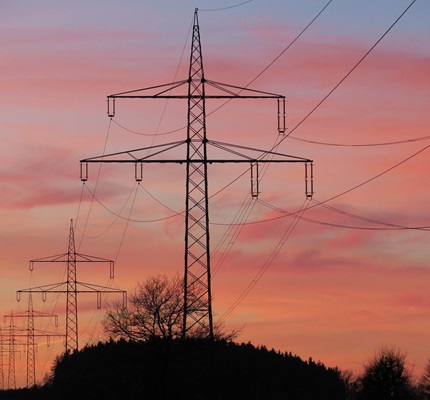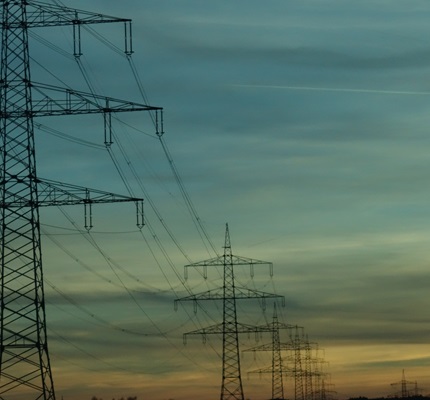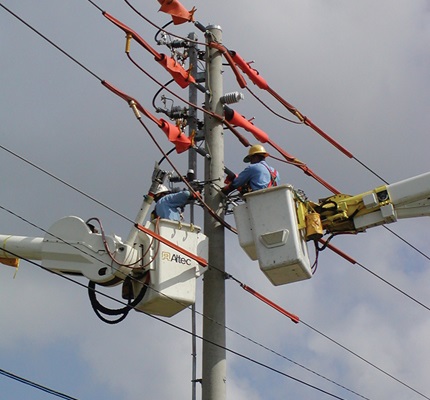
In the largest undergrounding accomplishment by a utility, Pacific Gas and Electric Company (PG&E) has constructed and energized 1,000 miles of power lines underground in high-fire-risk areas, noting that undergrounding eliminates nearly all wildfire risk.
After the Los Angeles wildfires earlier this year, Gov. Gavin Newsom issued an executive order to bury more than 150 circuit miles of distribution power lines in the hopes of preventing future devastating fire damage, but PG&E has been undergrounding power lines since 2021, after the 2018 Camp Fire, which was sparked by PG&E equipment and was the most destructive and deadliest fire in California history.
Since then, PG&E has installed underground power lines in high-fire-risk areas of 27 counties in northern and central California. The company expects a total of 1,600 miles of power lines will be underground by the end of 2026, contributing to a risk reduction of 18%. Together with stronger overhead poles and wires and line removals, the program has “permanently removed 8.4% of wildfire ignition risk from our entire system since 2023,” according to an October 2025 press release.
A report by the Stanford Woods Institute for the Environment recognized PG&E as one of the nation’s top utilities for wildfire readiness. Over the past seven years, PG&E has incorporated multiple layers of protection to prevent wildfires by:
- Developing a state-wide network of nearly 1,600 weather stations and more than 650 HD cameras to respond to wildfire risk in real time
- Inspecting, trimming or removing more than 960,000 trees and vegetation in the service area
- Installing more than 1,400 miles of strengthened power poles and covered power lines
As fire risk increases in the western United States, it is important for utilities to take immediate and long-term actions to keep communities safe, while also focusing on reduced costs and increased reliability. Since starting the program, PG&E has seen the cost per mile of undergrounding decrease from $4 million to $3.1 million in 2025, with additional reductions anticipated. Additional cost savings can be achieved in other ways:
- Supporting local economies by hiring hometown contractors, which also reduces costs and travel time
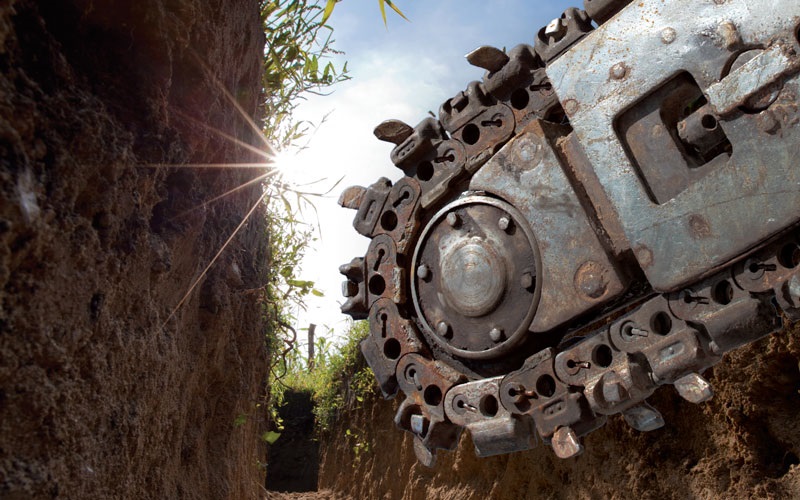
- Using state-of-the-art construction equipment, including chain trenchers, rock-wheel saws and slinger trucks, which increases efficiency
- Reducing yearly tree-trimming maintenance necessitated for overhead lines
- Reducing the standard depth and width of trenches to save time, money and additional dirt
- Reusing excess soil from undergrounding projects for other operational projects to eliminate disposal costs
About The Author

Lori Lovely is an award-winning writer and editor in central Indiana. She writes on technical topics, heavy equipment, automotive, motorsports, energy, water and wastewater, animals, real estate, home improvement, gardening and more. Reach her at: [email protected]