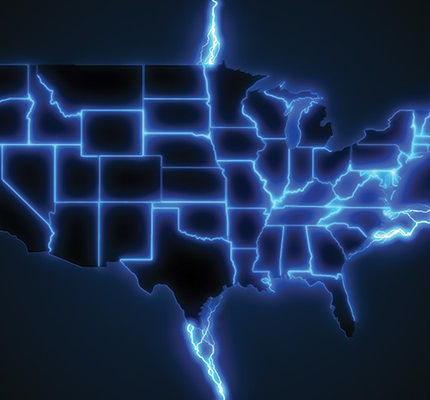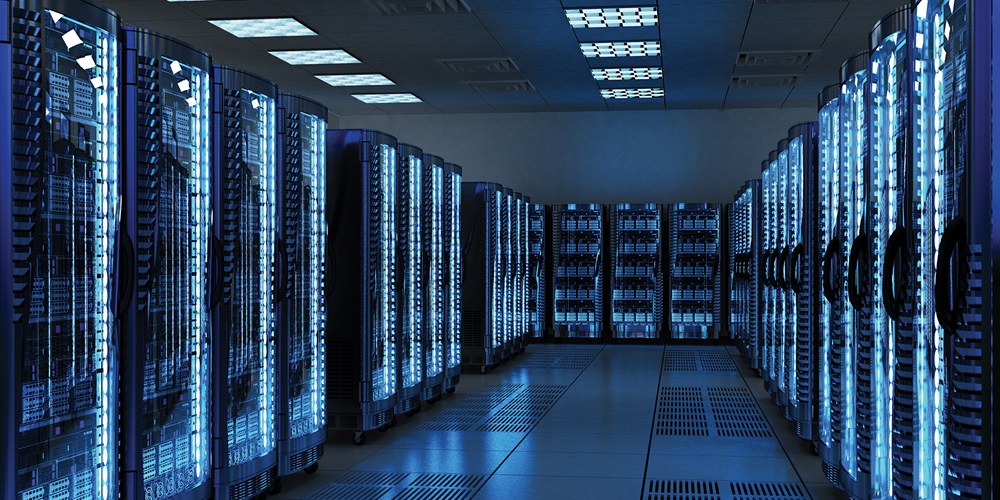
Data center capacity is expected to grow from 24 gigawatt (GW) to 110 GW between 2026 and 2030, largely due to expansion of artificial intelligence and cloud computing, according to an April 2026 analysis by Wood Mackenzie. That means that data centers will account for up to 40% of the entire U.S. electrical equipment market and 68% of total U.S. load growth, as they are expected to consume more than 400,000 GWh of electricity during that time period.
This unprecedented surge in demand is creating bottlenecks in supply, with lead times for critical electrical equipment between 18 and 36 months, threatening to delay major projects. As a result, it’s slowing grid connection.
In response, the U.S. Federal Energy Regulatory Commission (FERC) is taking steps to ensure that A.I. data centers are connected to the grid as quickly as possible. Bloomberg predicts that the energy regulator will soon release an order requiring grids to prove that they’re expediting A.I. data center connections, especially projects that “bring their own power, or curtail demand during times of high stress.” This is in compliance with the “A.I. Action Plan” policy roadmap launched last year aimed at making it easier to build A.I. infrastructure.
FERC instituted a condition that data centers must bring their own power or reduce demand as needed in order for them to qualify for fast-track processing.
NEMA recently released its A.I. Data Center Energy Performance Framework, which complements FERC’s action on interconnection policies by providing a roadmap to improve the efficiency, resilience and performance of next-generation data centers—helping ensure that new sources of demand are connected and operated as effectively and safely as possible.
Nevertheless, data centers face continued resistance from communities. Concerns include increased energy prices due to energy consumption, heavy water usage when built in drought zones and noise pollution that these facilities bring to quiet rural areas. One unappreciated side effect of rapid growth is that, as grid operators upgrade infrastructure in order to accommodate the massive amounts of electricity needed by data centers, they have been passing on their costs. PJM Interconnection, the largest power grid operator in the United States, raised its power costs by 75.5%. The state of Maryland filed a complaint with FERC about PJM Interconnection’s plan to charge it $2 billion for infrastructure upgrades needed for projects that do not directly benefit the state.
None of the objections is slowing demand, and FERC is working toward removing other roadblocks to connect data centers to the grid faster.
About The Author

Lori Lovely is an award-winning writer and editor in central Indiana. She writes on technical topics, heavy equipment, automotive, motorsports, energy, water and wastewater, animals, real estate, home improvement, gardening and more. Reach her at: [email protected]