Energy efficiency is a growing resource for buildings. As it expands, leadership is needed from policy makers to set standards and establish guidelines for those in the building industry.
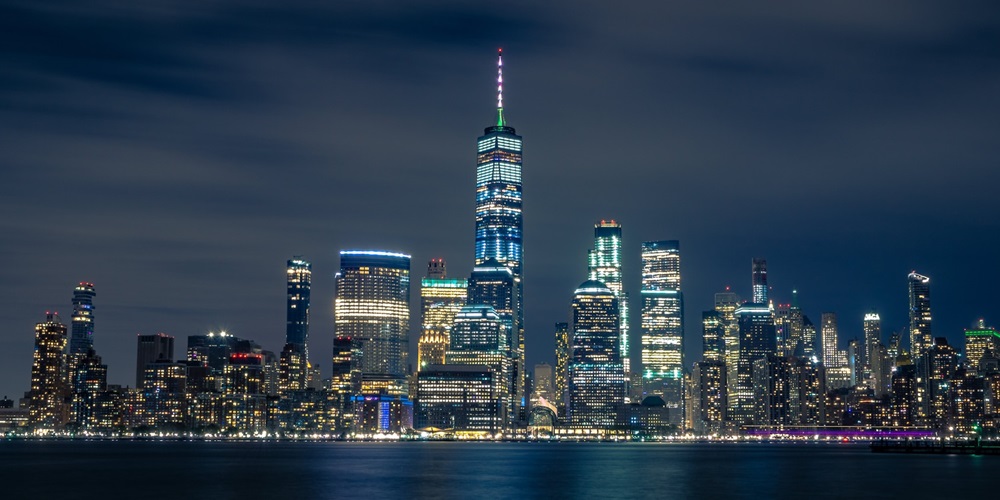
Last month, the New York City Council took a step toward greater energy efficiency when it adopted two new building codes. On Jan. 17, the council adopted its Existing Building Code and its Energy Conservation Code, concurrently.
The conservation code is modeled after the new Energy Conservation Construction Code of New York State, which incorporates the 2024 IECC and ASHRAE 90.1-2022. The city’s building code is based on the International Existing Building Code.
In addition to modernizing, simplifying and increasing flexibility in the compliance process, the codes are expected to lead to greater energy efficiency, lower utility costs and reduced carbon emissions in the city’s buildings. Some of the city’s efficiency codes exceed those adopted by the state, and they build on some preexisting city requirements.
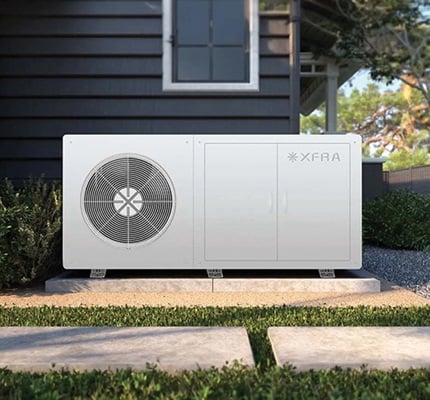
Highlights include limits on electric resistance heating systems in most multifamily and commercial buildings, and guardrails on the use of backup electric resistance to supplement heat pump systems in all buildings. Specifically, the code caps their capacity at 25% of total design load and permits their use only when temperatures drop below 17°F.
The code also includes requirements for dwelling units to be provided with a heat recovery or energy recovery ventilation system for additional energy savings and improved indoor air quality. Demand response requirements are also applied to commercial water heating.
In a statement, the International Code Council praised the codes, saying that the city “is making history.”
The Urban Green Council predicts the new codes will “reduce energy waste, lower utility bills and improve comfort and indoor air quality.” It notes that the standards on which the new codes are based are projected to result in 7.8% residential and 9.8% commercial site energy savings on a national basis.
About The Author

LAEZMAN is a Los Angeles-based freelance writer who has been covering renewable power for more than 10 years. He may be reached at [email protected].