Electrical work has always required a careful balance of skill, productivity and risk management. Today, that balance is being reshaped by rapid advances in tools and technology. From lighter, more ergonomic equipment and safety improvements built into the tool design, contractors have more opportunities than ever to reduce exposure and help employees consistently perform demanding work safely.
“Workplace safety has traditionally relied on training, procedures, personal protective equipment (PPE), inspections and established safety programs,” said Edgar Sanchez, national manager of health and safety for Milwaukee Tool, Brookfield, Wis. “These fundamentals remain essential, but, as electrical environments become more complex and operational demands increase, another layer of safety is taking shape, one increasingly integrated into the tools, equipment and systems workers use every day.”
However, even the most advanced tool or protective system must be properly selected, maintained and used. If equipment is uncomfortable, unnecessarily complicated or poorly suited to the way work is performed, workers may be less likely to use it consistently or properly. Conversely, innovations that reduce fatigue, improve control, limit exposure to common hazards or remove unnecessary steps from a task can make safer work practices easier to adopt.
“When crews trust their tools, they’re more likely to follow established procedures rather than take shortcuts. Reliable tools and instruments and properly maintained equipment create confidence that supports safer decisions,” said Ryan Berg, director of product management at Greenlee, Rockford, Ill.
That connection is especially important as electrical workers face tighter schedules, workforce challenges and increasingly complex projects. Crews may move between tasks and environments throughout the day while processing new information, coordinating with other trades and responding to changing conditions. Technology can support them through better equipment design, accessible information, improved communication and safeguards built directly into tools and workflows. It can also help employers identify trends, manage training and use leading indicators to address risks before incidents occur.
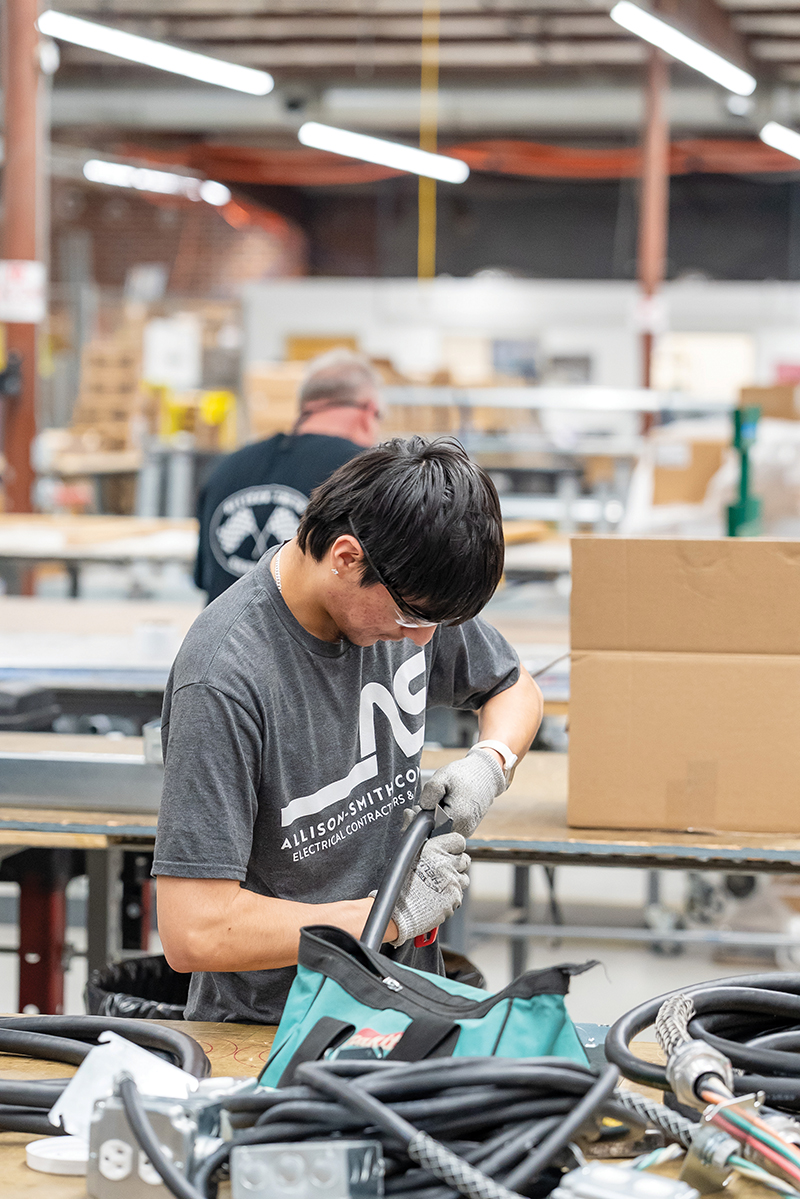 | 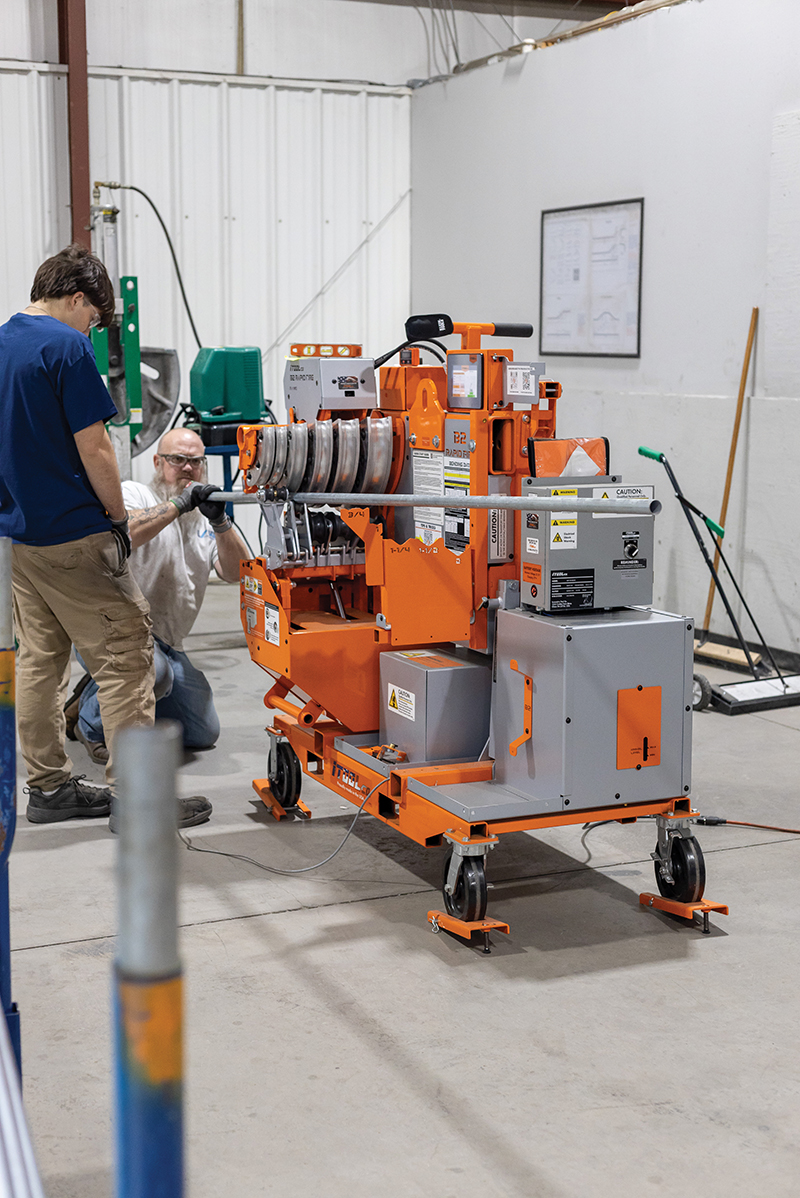 | 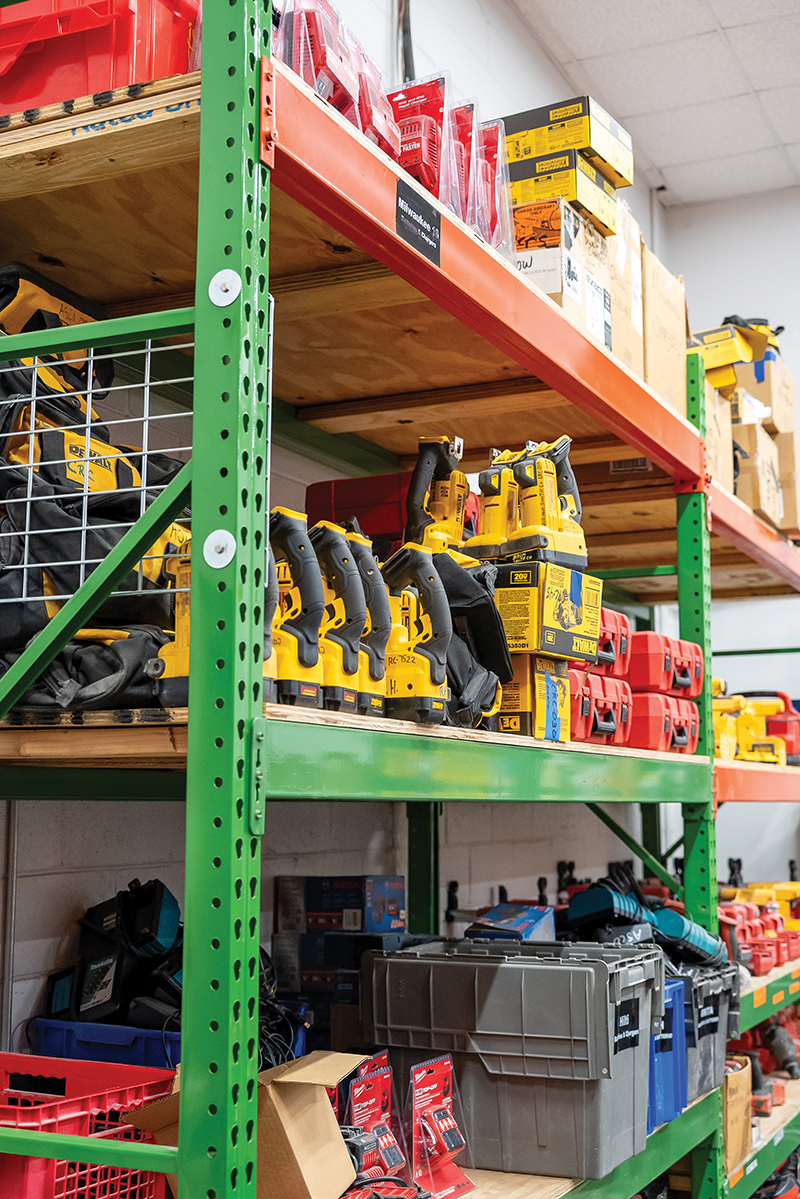 |
Safety built into tool design
However, these benefits depend on the culture surrounding their use. Employers must involve workers in evaluating solutions, provide effective training and reinforce that safety improvements are intended to support the work, and not simply to satisfy a policy or compliance requirement. Management should listen when workers identify an impractical procedure, an emerging hazard or a better way to complete a task.
Ultimately, progress in tool safety is defined by whether organizations can successfully integrate those advancements into daily decisions and job site practices.
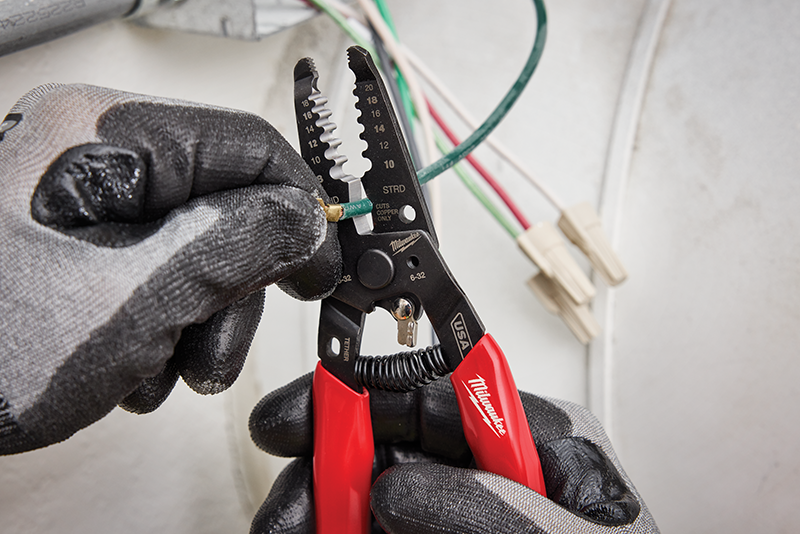
According to Sanchez, Milwaukee Tool has developed technologies that integrate protection directly into its tools, which can support decision-making and reduce risk at the point of work. Examples include Autostop control mode to protect against over-rotation during bind–ups and Rapidstop braking technology, which helps stop the tool quickly when the trigger is released. Controls and application-specific features help users maintain greater control while using the tools.
“Innovations like this reflect a broader shift toward integrating safety into tool design. However, no single technology eliminates risk,” Sanchez said. “Built-in safeguards are most effective when used alongside proper training, PPE, hazard assessments and established job site procedures.”
Greenlee also engineers tools to reduce worker exposure to hazards by minimizing physical strain and improving confidence in safety-critical tasks.
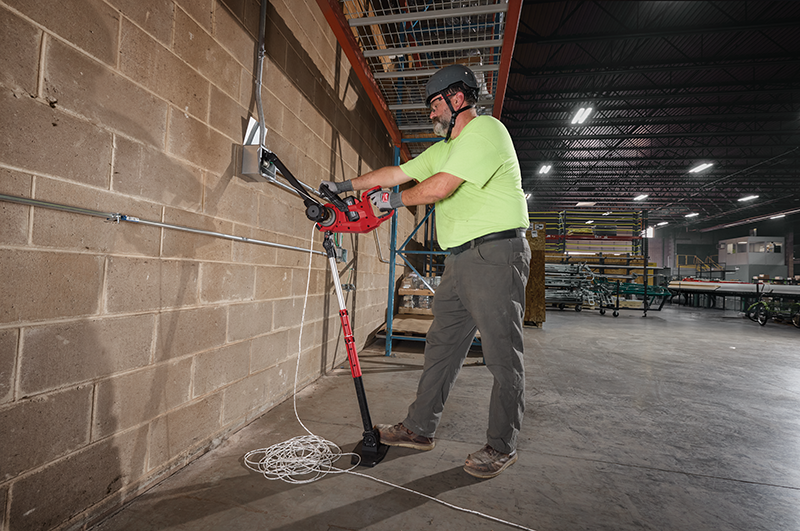
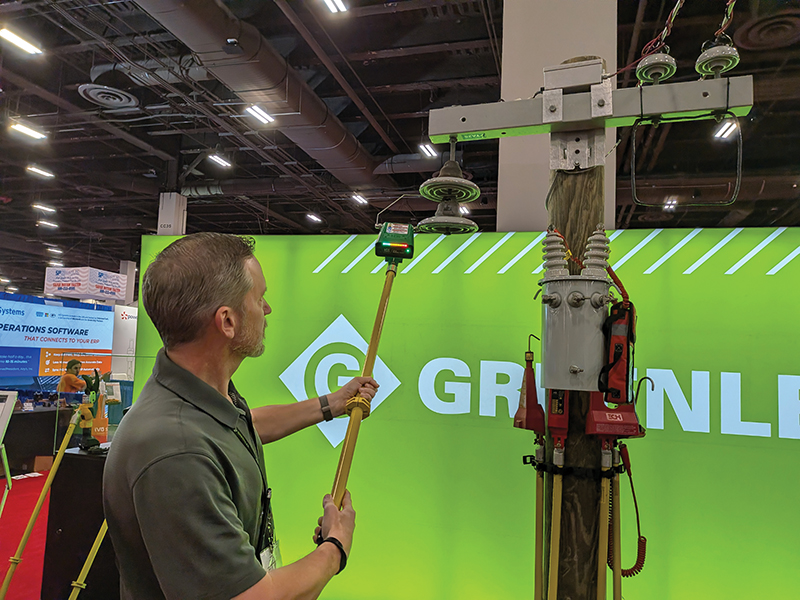
“The Greenlee Gator platform has advanced worker safety through battery-powered cable termination tools, insulated tool offerings for utility applications, remote operation capabilities and ergonomic designs like the EK1240SLX, which reduces fatigue through improved balance, weight distribution and one-handed operation,” Berg said. “At the same time, HD Electric’s [Greenlee’s high-voltage line] ... IT-5 insulator tester, helps crews make safer decisions before work begins by verifying system conditions and identifying potential failures before they become hazards. Together, these technologies move workers farther from risk, reduce repetitive physical stress and provide better information for safe decision-making. The result is a safer, more productive utility workforce with fewer opportunities for injury and human error.”
Fatigue management
Electrical work is constantly evolving, and workers often find themselves managing many complex projects with crunched timelines. Sanchez said that these factors can lead to other concerns beyond traditional physical hazards, with workers often managing multiple systems, fatigue, distraction, repetitive tasks and cognitive demands.
“Integrated enhanced safety technologies have emerged as one response to this reality. By embedding these features into tools, organizations can reinforce existing safety practices while supporting safer work in the environments where tasks are actually performed,” he said. “These technologies are not intended to replace training or procedures. Instead, they help narrow the gap between established safety expectations and real-world execution.”
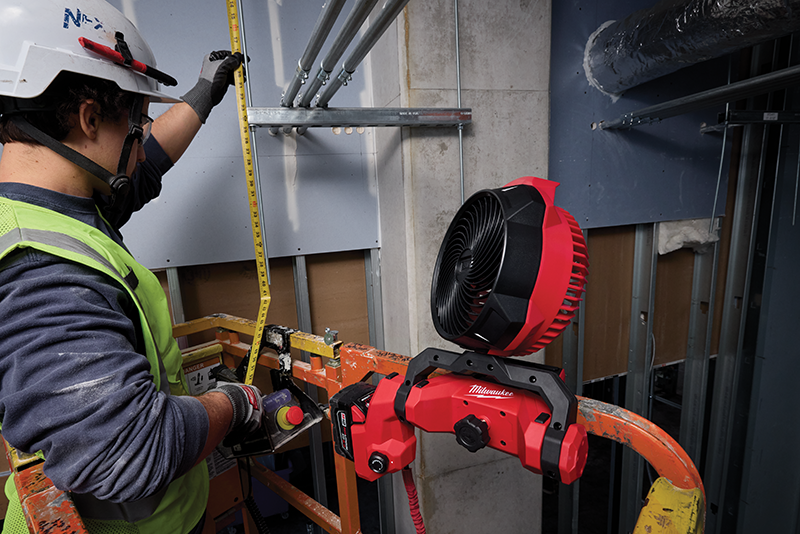
Berg highlighted how modern tool development is focused on reducing physical demands on workers by replacing manual operations with battery-powered solutions, reducing tool weight without sacrificing durability and minimizing repetitive motions that can contribute to cumulative injuries.
“Stress is also reduced when workers spend less time wondering whether equipment is functioning correctly,” he said. “HD Electric’s test and measurement products help crews quickly verify system conditions, giving them confidence to proceed safely and efficiently. The result is less physical fatigue, reduced cognitive load and improved focus throughout the workday.”
 |  |  |
Ergonomics
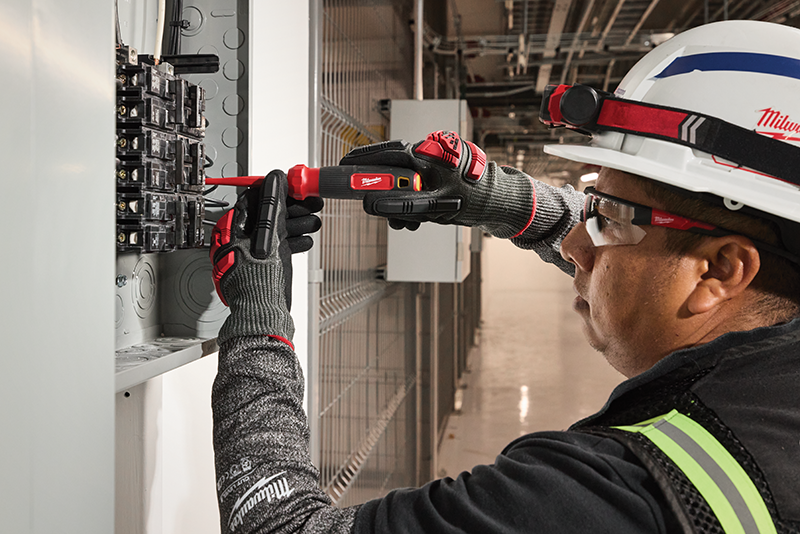
“Ergonomics and safety are closely connected because both influence how workers interact with a tool throughout the workday,” Sanchez said. “Tool design must account for real-world applications and work practices, including user comfort, physical strain, control and the demands of challenging tasks.”
It’s important for workers to use these tools, he said, adding that Milwaukee Tool approaches ergonomic design by considering how to support the worker without disrupting any established workflows. The solutions with the most success are those that fit into how users already work, while supporting comfort, usability and safe operating behaviors. Greater user control and less physical strain are also big considerations.
“If a safety solution makes it harder to do the job, workers are more likely to work around it. The best solutions support the way work is actually performed,” he said.
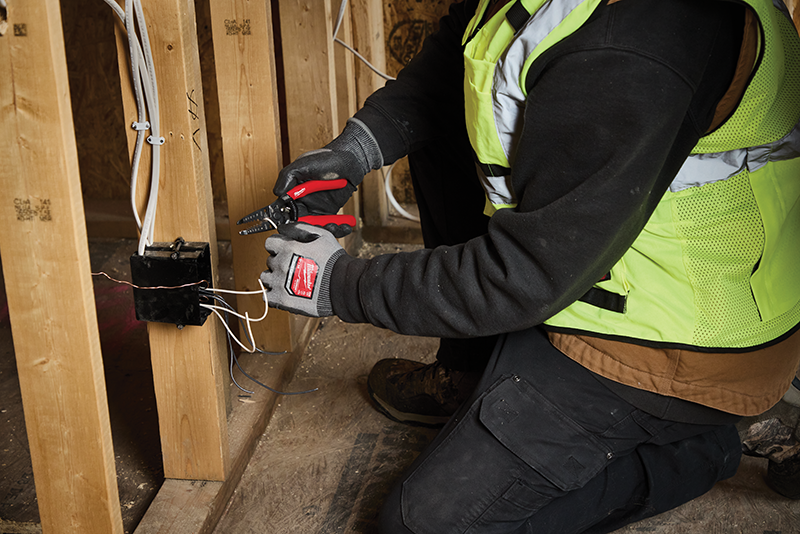
“Today’s utility crews often work from bucket trucks, in confined spaces, on poles, underground and while wearing PPE and gloves,” Berg said. “Because of that, designers place significant emphasis on tool weight and balance, one-handed operation where practical, reduced grip force requirements, improved handle geometry, better trigger placement, and enhanced visibility of controls and displays.”
The business case for safety
As technology evolves, new employees enter the workforce and projects continue to become more complex, contractors will face even more persistent challenges as they try to maintain consistency across job sites.
“There has always been a business case for safety that provides enormous return on investment, not only in capital, but on the human side of safety,” said Wes Wheeler, executive director of safety at NECA. “Changing the ways we approach work emphasizes improving safety culture and shows empathy and compassion to workers. This helps to develop overall employee buy-in and engagement. Together, with newer technologies and better awareness of factors that influence the day-to-day issues workers face like stress, fatigue and leadership, employers can make huge strides in protecting workers in the workplace.”
Sanchez encourages ECs to evaluate tool safety, productivity, consistency and operational demands.
“Written policies and established safety procedures remain essential, but built-in safety technology can help reinforce these practices under the varying conditions workers encounter in the field,” Sanchez said. “Viewing safety as an investment means considering how built-in safeguards can support established safety practices while contributing to more consistent operation and risk reduction on the job site.”
 |  |  |
Berg said he’s noticed his discussions with contractors have moved away from tool cost to the total cost of ownership. The purchase price becomes only a small part of the equation.
“Contractors increasingly recognize that a single recordable injury can cost significantly more than an entire fleet of tools, reducing task time can lower labor costs on every project, better ergonomics can reduce turnover and employee fatigue, and reliable testing and safety equipment can help avoid costly outages, incidents or rework,” he said.
Instead of asking for the cheapest one, Berg recommends asking what tool can help crews work safely, efficiently and consistently every day.
“When safety improvements also deliver productivity gains, the ROI becomes very easy to justify,” Berg said. “In the utility industry, especially, contractors are increasingly viewing safety-focused tools as an investment in workforce performance, retention and operational excellence.”
Visit ECmag.com for more from Sanchez and Berg on the business case for safety.
Milwaukee Tool / Colleen Beaty/ stock.adobe.com/MangKangMangMee / BuildTime
About The Author

O’CONNOR is safety and regulatory affairs manager for Intec, a safety consulting, training and publishing firm. Reach him at [email protected].

Holly Sauer
Senior EditorHolly Sauer has worked for ELECTRICAL CONTRACTOR magazine since 2019 and is the senior editor. She went to Washington & Jefferson College and studied English and art history. At Electrical Contractor magazine, she creates the newsletters and the new and featured products sections. She also edits articles for the three publications and occasionally writes on tools and industry news. She is fueled by the desire to read every book ever written. And coffee. Reach her on LinkedIn or at [email protected].