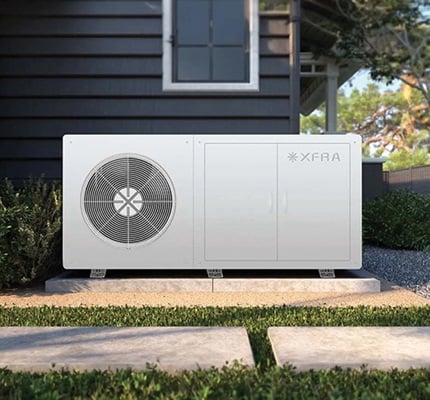
It might seem odd to hear energy-efficient design called an energy resource, but over the last several decades, this approach has helped keep power demand and energy costs lower than they would otherwise be. Since 1992, Energy Star, a program of the Environmental Protection Agency (EPA), has led U.S. efforts to set efficiency standards and celebrate related achievements across residential, commercial and industrial development.
However, in May, the Trump administration announced plans in an employee meeting to shut down Energy Star and its parent department, the Office of Atmospheric Protection (OAP). Most coverage of this decision has focused on the program’s consumer-facing appliance ratings, but the implications reach far beyond retail. Energy Star also has developed tools and databases for commercial, institutional and industrial building operators, including online tools owners and personnel can use to benchmark their operations nationally and regionally, along with award programs that recognize notable efficiency achievements in new construction and renovation projects.
More than 1,000 companies and groups—including pro-business organizations such as the U.S. Chamber of Commerce—have lobbied EPA to keep Energy Star online, but agency administrators have yet to announce a definitive plan for the agency’s closing beyond confirming statements on a reorganization of OAP.
Efficiency as a resource
To understand how efficiency can be an energy resource, think back to the days of Energy Star’s founding. In 1992, refrigerators were a homeowner’s largest load, and lighting—and its related heat output—helped push commercial buildings’ utility bills higher. Today, refrigerators use a fraction of the power they demanded three decades ago. LED lamps and fixtures are much more efficient than the incandescent and fluorescent products they’re replacing, and they’re also much more controllable, which enables precise dimming for greater energy savings.
Innovations like these helped keep power demand mostly flat for the decade or so leading up to today’s artificial intelligence data center boom, even as homes and buildings began electrifying more operations. Energy Star’s ratings have helped motivate manufacturers to innovate to drive down power demand for these and other systems and appliances. The program’s easy-to-understand metrics, including annual operating costs, have made apples-to-apples comparisons easier for consumers and facility managers.
The program also has developed a whole-home rating system that’s been widely adopted by builders nationally. As of 2023, according to EPA figures, about 12% of all new U.S. homes were Energy Star-compliant.
Of course, many of these advances were more directly driven by legislation like the Energy Policy Act of 2005, which established a schedule of required performance improvements for appliances and equipment. But it has been Energy Star data that’s helped define a product’s conformance with those legislatively defined targets. Additionally, many state regulatory offices now set demand-reduction targets for their gas and electric utilities that include customer rebates for high-efficiency appliances. Qualifying products are often benchmarked using Energy Star performance data.
Commercial building offerings
Energy Star also has become more than just a rating system. Over the last three decades, it has developed programs for commercial building owners and operators, including those with large property portfolios. Like single-family and multifamily homes, commercial and institutional buildings can earn Energy Star ratings, and nearly a quarter of all U.S. commercial buildings use these scores to benchmark their facilities through the program’s portfolio manager tool. With the tool’s metrics, users can compare current performance to yearly baselines and nationwide median scores, as well as to other similar buildings in the same portfolio.
This data can be valuable across a range of use cases, including:
- Identifying and targeting underperforming buildings for efficiency improvements
- Identifying best practices from higher-performing buildings in a portfolio
- Setting investment priorities, using the system’s built-in cost-comparison tool to model potential savings across a portfolio
- Verifying savings and ensuring consistency over time
Final fate unknown
Staff were told of Energy Star’s closing in an early May meeting. (The New York Times received a recording of the meeting, which is the source of shutdown reports.) However, the EPA has shared little information since then of its plans for ending the program.
A number of building- and energy-related groups have come out strongly against the move, with more than 1,200 organizations signing letters supporting Energy Star, according to the Institute for Market Transformation, a nonprofit focused on high-performance buildings. The Alliance to Save Energy, an energy-efficiency nonprofit, has noted that the program’s $32 million budget delivers $40 billion in annually utility bill savings for businesses and consumers.
A group of 22 senators signed a May 20 letter to EPA administrator Lee Zeldin and Secretary of Energy Chris Wright stating Energy Star is protected under federal statute and can’t be unilaterally ended by the administration. However, officials have remained mum on any details regarding the program’s future.
KEN111/stock.adobe.com
About The Author

ROSS has covered building and energy technologies and electric-utility business issues for more than 25 years. Contact him at [email protected].