The OSHA Cranes and Derricks in Construction Standard (29 CFR 1926 Subpart CC), originally published in 2010, establishes comprehensive requirements to protect workers from the hazards associated with crane and derrick operations on construction sites. The standard was created in response to the high rate of fatalities and serious injuries caused by crane accidents, such as collapses, electrocutions and struck-by incidents. Its overall purpose is to ensure that cranes and derricks are designed, maintained, inspected and operated safely by qualified personnel, while also clearly defining employer responsibilities and safe work practices throughout all phases of crane use.
Equipment type and capacity
One of the core elements of the standard is equipment qualification and configuration. OSHA classifies cranes and derricks by type and capacity and requires all equipment meet specific design and construction criteria. Industry is required to have load charts available, legible and followed at all times to prevent overloading. The standard addresses various crane types, including mobile cranes, tower cranes, crawler cranes and derricks, and provides rules for assembly, disassembly and modification. These processes must be supervised by a qualified person, with detailed procedures followed to prevent structural failure during setup or breakdown, which historically has been one of the most dangerous phases of crane operation.
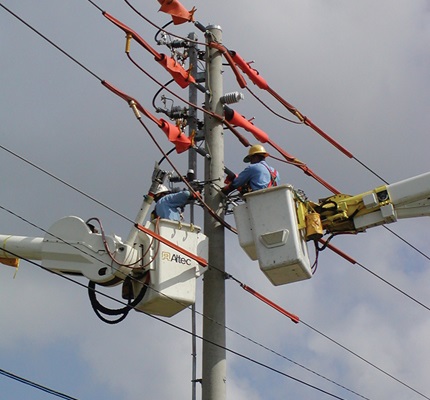
Be sure to know that digger derricks are exempt from the standard when used for utility-specific tasks (e.g., augering holes, setting or removing poles and handling associated pole materials for work) under 29 CFR 1926 Subpart V and 1910.268 for the telecom industry. When a digger derrick is used for other types of construction activities, such as lifting steel trusses, the exemption does not apply.
Inspection, qualifications and safety
OSHA mandates different levels of inspection—initial, frequent and periodic—depending on how often the crane is used and the conditions of the job site. Inspections must cover critical components such as wire ropes, hooks, hydraulic systems, brakes and safety devices. Any deficiencies that pose a safety risk must be corrected before the crane can be placed back into service. Employers are also responsible for maintaining records of inspections and ensuring repairs are performed by qualified personnel using appropriate replacement parts.
Operator qualification and certification are central to the standard’s safety goals. Crane operators must be trained, tested and certified by an accredited organization, audited employer program or government entity. Certification ensures operators understand crane dynamics, load handling, signaling and hazard recognition. In addition to operators, other workers involved in crane operations—such as signalers, riggers and assembly/disassembly directors—must also meet specific qualification requirements. Signalers must know standard hand signals or radio communication protocols, while riggers must be capable of properly attaching loads to prevent shifting or falling.
The standard places significant emphasis on controlling workplace hazards, particularly power line contact, which has been a leading cause of crane-related fatalities. OSHA requires minimum clearance distances between cranes and energized power lines, with additional protective measures such as de-energizing lines, using insulating barriers or having dedicated spotters when working near electrical hazards. Site assessments must be completed to identify power lines and other hazards before crane operations begin and ensure all workers are informed of these dangers.
Safe operation practices are detailed throughout the regulation. These include requirements for proper load handling, use of outriggers and stabilizers, wind and weather considerations, and restrictions on operating cranes in unsafe conditions. Employers must establish procedures to prevent workers from standing under suspended loads and ensure cranes are not used to hoist personnel unless specific criteria and safety systems are met. The standard also addresses working on barges, floating cranes and multicrane lifts, recognizing the increased complexity and risk associated with these operations.
Communication and coordination are also addressed as critical safety factors. Employers must ensure crane operations are properly coordinated with other job site activities to prevent conflicts and unexpected hazards. When multiple employers are present on a site, responsibility for crane safety must be clearly defined. The controlling employer has duties to ensure ground conditions are adequate, while the crane-using employer must verify that the equipment is suitable for the lift and that workers are properly trained.
This standard represents a comprehensive approach to crane safety in the industry. By combining strict equipment requirements, rigorous inspection and maintenance rules, mandatory training and certification, and detailed operational safeguards, the standard aims to significantly reduce crane-related injuries and fatalities. Compliance helps employers meet legal obligations and promotes a culture of safety that protects workers, equipment and the public.
STOCK.ADOBE.COM/MdJoshel
About The Author

KELLY, president of Kelly Consulting & Mediation Services, has worked with utility industry leaders on safety, labor relations and human resources for more than 30 years. Reach him at 540-686-0118 or [email protected].