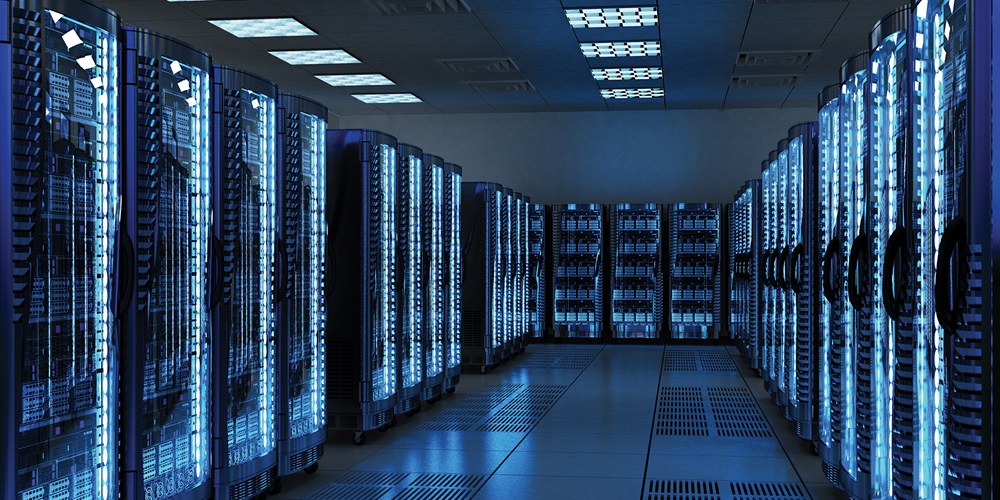
No matter where you stand on how artificial intelligence (A.I.) will affect the overall business climate in the United States, the need for data centers to support A.I. models is growing extensively, according to recent analysis by the Pew Research Center.
This presents a potentially major business opportunity for electrical contractors, particularly in the regions where A.I. data centers are clustered. That includes northern Virginia, Dallas, Phoenix and Chicago. Virginia, Texas and California have the most data centers. For example, Pew notes that California has 319 data centers that are either in operation or under construction. Texas has 395 and Virginia has a whopping 643, clustered in the cities of Ashburn, Sterling and Manassas, near Washington, D.C.
Other cities in the country that are hotbeds for data centers include Columbus, Ohio; Atlanta; Des Moines, Iowa; Santa Clara, Calif.; and New York City.
But it’s important to note that data centers can be found in every state, with many offering incentives such as expedited permitting to gain new builds. Part of the reason is the growth of construction jobs, which directly affects electrical contractors, since the electrical and water consumption of these facilities is so vast.
For example, referencing data from the International Energy Agency (IEA), Pew notes that in 2024, U.S. data centers used 183 terawatt-hours of electricity. That amount is expected to jump to as high as 426 terawatt-hours by 2030. A glaring concern, however, is that clustered data centers place undue strain on the local power grid.
Quoting IEA, Pew said that about 60% of data centers’ electricity is used to power servers that process digital information. But consider also that cooling systems are required to stop servers from overheating. To that end, large amounts of water are necessary; the analysis said that in 2023, data centers used about 17 billion gallons of water.
Another concern for contractors hoping to capitalize on data center business opportunities is pushback from politicians and residents to prevent higher electric bills to account for costly power grid upgrades. For example, average home electricity bills could jump by $18 per month in Maryland and $16 per month in Ohio.
What’s more, data centers and activities such as cryptocurrency mining could lead to an average $142 per month electricity bill for U.S. homes by 2030—up from $114 in 2014.
About The Author

VOSS is a freelance writer based in the Chicago area and has worked extensively in the low- and high-voltage areas of the electrical industry. Contact him at [email protected].