You're reading an older article from ELECTRICAL CONTRACTOR. Some content, such as code-related information, may be outdated. Visit our homepage to view the most up-to-date articles.
When it comes to transformative change in society, government is often the catalyst. The transition to a more energy-efficient landscape is no exception. According to a new ranking of energy innovation, America’s biggest cities are leading the way.
Released in May by the American Council for an Energy-Efficient Economy (ACEEE), the second edition of the City Energy Efficiency Scorecard ranks America’s largest cities in their efforts to innovate in the field.
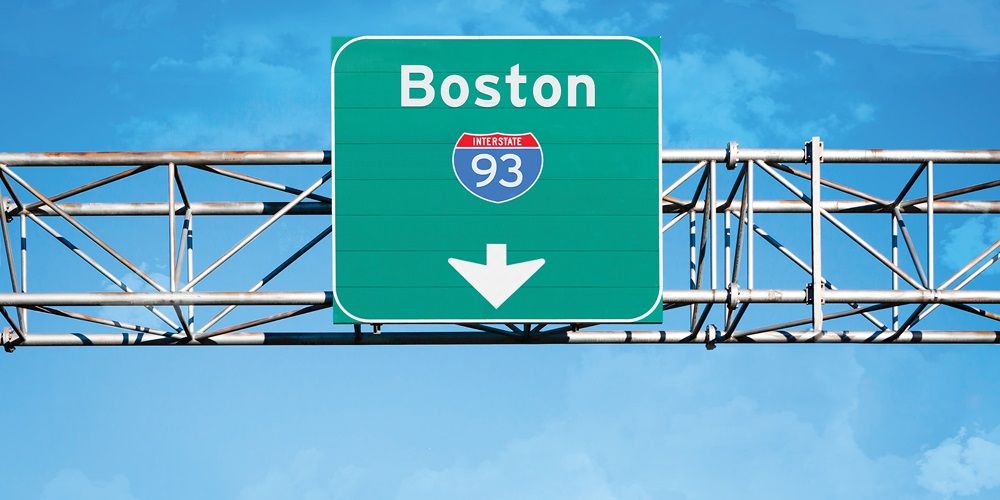
Of the cities ranked, Boston emerged as the leader, with a score of 82 on a scale of 100. Boston was also the leader in the first ranking, conducted in 2013. The top 10 cities following Boston in order of ranking are New York; Washington, D.C.; San Francisco; Seattle; Chicago; Minneapolis; Portland, Ore.; Austin, Texas; and Denver. While not in the top 10, Los Angeles was among the most improved.
Examples of some of the things cities are doing to increase energy efficiency include policies to increase efficiency in government, procurement and asset management; community-wide initiatives and strategies to increase efficiencies; efficient distributed energy systems; programs, codes and resources that lead to more energy-efficient buildings; positive relationships with utilities that produce energy-efficiency programs; and policies that lead to greater energy efficiency in transportation.
In the case of Boston, the report singles out several policy achievements. Foremost among them is the city’s Climate Action Update Plan, which modifies and adds new strategies to help the city reach its already established goal of reducing greenhouse gas emissions 25 percent by the year 2020. Other highlights include a requirement that all utility rebates and incentives generated from municipal energy-efficiency projects be reinvested in future energy-efficiency projects and a goal to reduce energy use from street lighting by 40 percent.
About The Author
LAEZMAN is a Los Angeles-based freelance writer who has been covering renewable power for more than 10 years. He may be reached at [email protected].