
You're reading an older article from ELECTRICAL CONTRACTOR. Some content, such as code-related information, may be outdated. Visit our homepage to view the most up-to-date articles.
A mentor can mean the difference between success and failure as a business owner. Whether your electrical contracting business is new or has existed for generations, you can always learn from other entrepreneurs. Warren Buffett, CEO of Berkshire Hathaway, oversees 80 different companies and his stock has a per-share price in the six figures.
With five decades of business experience, this billionaire is known for his contrarian approach to investing, his indifference to the accouterments of wealth, and his willingness to shoot from the hip during interviews. What does Buffett know that most entrepreneurs never learn? Here are a few things that electrical contractors can learn from the man at the helm of this vast business empire.
Don’t spend your profits; reinvest them in your business. In high school, Buffett and a friend bought one pinball machine and installed it in a local barbershop. By reinvesting their earnings, they eventually owned eight machines. When they sold their business, Buffett used his share of the proceeds to invest in stocks and start another business. At the age of 26, he was a millionaire in today’s dollars.
Have a complete plan before you make the deal. You have the greatest bargaining strength at the start of the job, when your customer needs you the most. Buffett learned this lesson after spending five hours shoveling out his grandfather’s grocery store following a blizzard. Because he hadn’t established the value of the job up-front, his grandfather paid him a pittance for his hard work.
Be decisive. Buffett once said, “You’d get very rich if you thought of yourself as having a card with only 20 punches in a lifetime, and every financial decision used up one punch. You’d resist the temptation to dabble. You’d make more good decisions and you’d make more big decisions.”
His method is simple: Do your research, ask someone you trust to hold you to a deadline, don’t “suck your thumb” (his label for unnecessary sitting and pondering). Don’t consider a deal unless there is a price on the table, and then give an answer quickly.
Don’t follow the crowd; be different. Most people thought Buffett was an oddball when he began managing other people’s money in 1956. He stayed in Nebraska instead of working on Wall Street, and he refused to tell even his parents where he had invested their funds. Fourteen years later, when he closed that partnership, it was worth $100 million. Contrary to the common practice, he sought undervalued investments and beat the market average every year. To be above average, Buffett said, you have to use an “inner scorecard” and judge yourself by your own standards— not those used by everyone else.
Watch your expenses, and limit your debt. Buffett once bought a company after learning that the owner was counting the sheets in toilet paper rolls and discovered that he was being cheated. He wasn’t receiving the 500 sheets per roll he paid for. Buffett values this level of vigilance over the small expenses, and he seldom borrows money. His advice to the people who seek his help in restoring financial balance is simple. Negotiate with creditors, pay what you can, and save money to invest when you are debt-free.
Be tenacious, but know when to quit. Buffett admires entrepreneurs such as Rose Blumkin, who turned her pawnshop into Furniture Mart, the largest furniture business in North America, by underselling larger competitors and negotiating fiercely. At the same time, he continually assesses his own holdings and is willing to walk away from a loss before the hole becomes deeper. He learned this lesson as a teenager, after attempting to recoup losses at the racetrack by betting more until he had lost a week’s wages.
Create your own definition of success. Buffett is also a lifestyle contrarian who has pledged to give away most of his wealth to charities. He has never lived ostentatiously and is not interested in having his name etched on buildings.
“I know people who have a lot of money,” he said once, “and they get testimonial dinners and hospital wings named after them. But the truth is that nobody in the world loves them. When you get to my age, you’ll measure your success in life by how many of the people you want to love you actually do love you. That’s the ultimate test of how you’ve lived your life.”
Not every electrical contractor wants to be Warren Buffett, but everyone wants to leave a legacy. How you do business will make a difference to your customers, your family and your community. Some of Buffett’s lessons may help you build your own path to success and avoid a few mistakes along the way.
About The Author
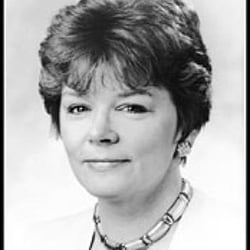
Denise Norberg-Johnson is a former subcontractor and past president of two national construction associations. She may be reached at [email protected].