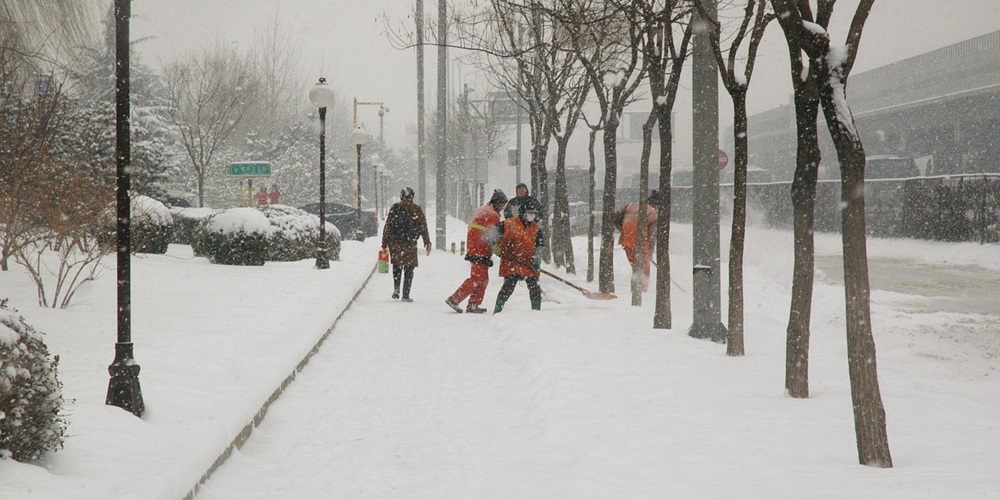
Arctic cold, heavy snowfall, freezing rain and reduced gas supplies put the electric grid infrastructure to the test in January. Some states got better grades than others, as a million homes were without power during Winter Storm Fern. Residents in Tennessee, Mississippi and Louisiana suffered the most outages when the polar vortex dipped into the southern part of the country for an extended period of time, with Tennessee leading the way at more than 230,000 customers out of power, according PowerOutages.us, which aggregates utility data.
Cold weather reduces gas supplies by freezing oil, gas wells and pipes, which had already begun occurring in several Midwest and Great Plains states, thus incurring increased demand on the electric grid.
Extreme cold weather affects electricity supply. As fuel is diverted to residential heating, less natural gas is available for power plants. Freezing temperatures lower pipeline pressure and can disrupt delivery or cause mechanical challenges. Wind generation may decline due to icing.
Grid operators such as PJM Interconnection, the largest U.S. regional grid that serves 67 million people in 13 states and Washington, D.C., face reliability challenges in winter if they rely on natural gas plants for generation due to fuel supply constraints and mechanical freezing during extreme cold, according to analysts at consulting firm ICF International. PJM experienced record peak electricity demand at 147.2 gigawatts, surpassing the previous record of 143.7 GW set in January 2025.
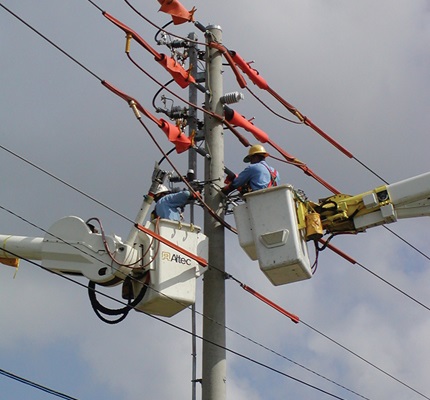
Most service interruptions occurred at the local distribution level.
“Distribution networks are the most exposed and least redundant segment of the system,” said Leah Qusba, CEO of GoodPower, a research, strategic communications and campaigning organization focused on advancing the global renewable energy transition. “They rely on poles, transformers and local lines that are directly vulnerable to ice loading, high winds, falling vegetation and vehicle strikes.”
During Fern, freezing rain coated distribution lines and nearby vegetation with ice, adding weight that snapped cables and toppled trees into local networks.
Since the storm of 2021 that resulted in the deaths of 200 people and the loss of half its generation capacity, Texas enacted stricter state and federal rules to require better winter preparedness by utilities and grid operators. The Electric Reliability Council of Texas relies on abundant fossil-fuel generation, sizeable contributions from wind and solar power, and more battery storage than any other grid.
Nevertheless, in preparation for the storm, ERCOT, PJM Interconnection and ISO New England requested 202(c) waivers to allow generators to operate at maximum levels “notwithstanding air quality or other permit limitations or fuel shortages while the emergency lasts.”
In response, the U.S. Department of Energy issued several emergency orders to help grid operators in New England, Texas and the Mid-Atlantic meet higher electricity demand related to Winter Storm Fern.
As temperatures plummeted, electricity demand soared. So did prices, leading some older power plants came online to take advantage of that, as well as to serve higher-than-expected demand, said Georg Rute, CEO of grid software company Gridraven.
About The Author

Lori Lovely is an award-winning writer and editor in central Indiana. She writes on technical topics, heavy equipment, automotive, motorsports, energy, water and wastewater, animals, real estate, home improvement, gardening and more. Reach her at: [email protected]