Working at heights has always been a component of line work. From transmission work on towers to climbing poles, operating from bucket trucks and installing new infrastructure, lineworkers routinely perform tasks where there is risk of fall.
Unlike many construction trades, lineworkers must manage fall danger while controlling exposure to energized conductors, minimum approach distances, weather conditions, heavy equipment and difficult terrain. These overlapping hazards require specialized equipment, extensive training and disciplined work practices.
Falls remain one of OSHA’s Fatal Four causes of death in the construction industry. Although the utility industry has traditionally experienced fewer fall-related fatalities than other construction sectors, they continue to occur during climbing, transitioning, positioning and aerial lift operations.
Line work presents some unique challenges because workers often cannot rely on conventional guardrails or fixed anchorage systems. Instead, they frequently work from poles, towers, crossarms or elevated equipment specifically designed for utility operations. These environments require fall-protection systems that allow workers to maintain mobility while still preventing or arresting a fall.
OSHA requirements
OSHA’s Electric Power Generation, Transmission, and Distribution Standards (29 CFR 1910.269 and 1926 Subpart V) recognize these unique working conditions and establish specialized fall protection requirements for qualified electrical workers. At present, OSHA requires employees working more than 4 feet above the ground on poles, towers or similar structures to use an appropriate fall-protection system unless other acceptable protection has been provided. The standard allows several methods depending upon the task, including personal fall-arrest systems and work-positioning equipment.
Additionally, OSHA significantly narrowed previous exemptions for qualified climbers. Prior to the update, experienced line workers could climb without fall protection under many circumstances. Now, employers must ensure workers use fall protection while climbing or changing position unless they can demonstrate that using fall protection is infeasible or creates a greater hazard.
What to know on the job
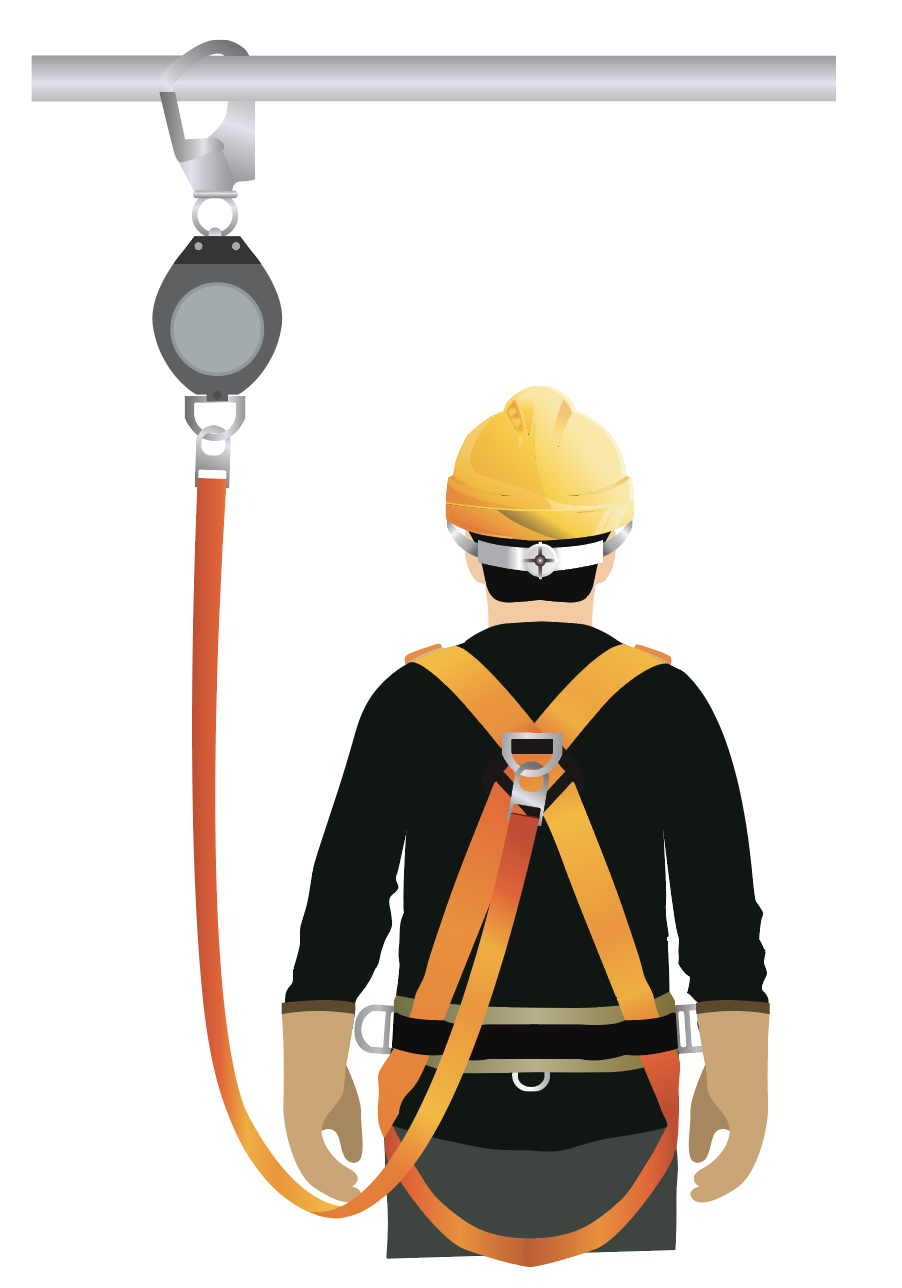
Unlike traditional fall-arrest equipment designed to stop a free fall after it occurs, work-positioning equipment is intended to prevent the worker from reaching a fall condition in the first place. Pole straps, body belts and climbing systems allow lineworkers to maintain hands-free stability while working from poles or similar structures. However, when there is a possibility a worker could experience a free fall, personal fall-arrest systems become necessary. Modern line contractor safety programs often use a combination of both systems depending on the task.
While bucket trucks remain one of the safest work platforms available to line contractors, falls still occur. Workers may be ejected during sudden boom movement or vehicle impact. OSHA requires employees working from aerial lifts to use either a travel- restraint system or an approved personal fall-arrest system specially designed for the equipment being used. Simply standing inside the bucket without being properly secured does not provide adequate protection. Workers should also remember that climbing or sitting on bucket edges, using ladders inside buckets or reaching beyond manufacturer limits is prohibited and significantly increases fall risk.
PPE and fall protection must be inspected prior to every use. Specifically, lineworkers need to evaluate the condition of full-body harnesses, positioning belts, pole straps, shock-absorbing lanyards, self-retracting devices, carabiners/connectors and anchors. If any cuts, abrasions, UV damage, corrosion, chemical exposure or excessive wear is observed, the equipment must be tagged and removed from service. Manufacturers may also have retirement criteria that should be incorporated into employer inspection programs. Additionally, routine inspections by competent people, combined with daily user inspections, remain one of the simplest ways to prevent equipment failures in the field.
Simply deploying fall-protection equipment alone does not prevent incidents. Workers must know how and when to use it. This is where training becomes critical. Workers must understand proper climbing techniques, anchor point selection, equipment limitations, rescue procedures and inspection requirements.
Many fall incidents occur because workers gradually became complacent enough with routine work that they accepted unnecessary risk. Skipping a tie-off “just for a minute,” climbing one additional step before repositioning or bypassing an inspection because equipment “looked fine yesterday” are dangerous.
Employers that consistently experience lower injury rates typically emphasize human performance principles alongside regulatory compliance. Good communication, effective job briefings, peer accountability and stop-work authority often prevent incidents before fall-protection equipment is ever tested.
Successful fall-protection programs are built on more than compliance. Employers need to routinely evaluate employee proficiency with climbing systems, equipment inspection programs, rescue capabilities, job briefing quality, environmental hazard assessments and lessons learned from near misses. The objective should be preventing serious injuries and fatalities.
STOCK.ADOBE.COM/ppdesign
About The Author

O’CONNOR is safety and regulatory affairs manager for Intec, a safety consulting, training and publishing firm. Reach him at [email protected].