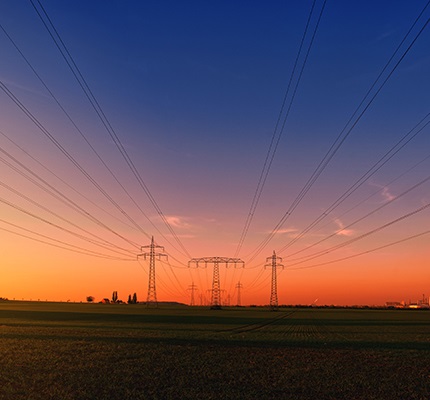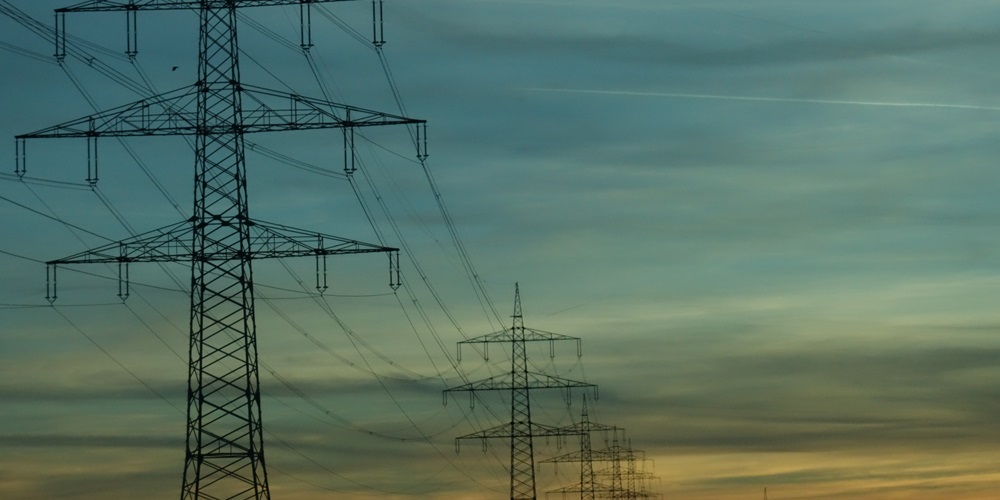
The grid is experiencing a “triple whammy” that is challenging utilities. Rising demand, extreme heat and the resulting reduced equipment efficiency are the three prongs of the problem.
It starts with climate change: higher summertime temperatures and an extended summer season. All this heat puts stress on air conditioners, reducing their efficiency.
In a domino effect, extreme heat is also reducing the efficiency of power plants, transmission lines and equipment. And it’s not just the heat of the day that’s the problem—warmer nights aren’t giving the equipment a break.
When equipment can’t cool off at night, local distribution systems and transformers are stressed. This requires more backup equipment, more storage, more redundancy and more backup transformers for potential deployment in local distribution networks if failures result from heat fatigue.
According to Rob Gramlich, founder and president of Grid Strategies, a consulting firm focused on electric transmission based in Washington, D.C., the problem is especially dire for local distribution systems—including transformers—that need time to cool overnight.
“The times we need the grid the most [are] when every single component in the grid is less efficient ... but also more fragile, and then we run it more,” added Michael Webber, professor of mechanical engineering at the University of Texas at Austin, and CTO of Energy Impact Partners, a clean-tech venture capital firm based in New York. He co-authored a 2018 study that confirmed that power plants, air conditioners and transmission systems operate more efficiently at cooler temperatures.
Unfortunately, extended hot seasons mean shorter springs and falls, when power plants traditionally go offline for maintenance. According to a 2024 study by Webber and other collaborators at UT Austin, the period of mild spring weather resulting in lower electricity demand in Texas shifted 2.4 days earlier per decade from 1959–2022, and the fall period shifted 1.1 days later per decade.
Researchers warn that the spring and fall periods could converge around December and January by the mid-2040s, leaving little to no downtime for equipment maintenance. Added to that is the question of longer, colder winters. As challenging as heat is on equipment, Gramlich says extended winter cold is actually a greater resource-adequacy challenge than summer heat. Electric heating demand peaks on cold winter mornings, but solar output is low at that time and batteries have less chance to recharge.
Solar power and battery storage are helping utilities manage peak summer loads, despite the fact that prolonged heat makes grid efficiency and reliability for extend periods more difficult.
Since adding solar and storage, California went from rolling blackouts during the hot summer of 2020 to being “basically in a good situation” even with demand growth, according to Gramlich. Through July, the state’s main grid was able to meet or exceeded demand by using clean energy for an average 6.8 hours per day, up from 0.4 hours in 2022, according to the California Energy Commission.
About The Author

Lori Lovely is an award-winning writer and editor in central Indiana. She writes on technical topics, heavy equipment, automotive, motorsports, energy, water and wastewater, animals, real estate, home improvement, gardening and more. Reach her at: [email protected]
.tmb-art-li-th.png?Culture=en&sfvrsn=9278ce2b_1)