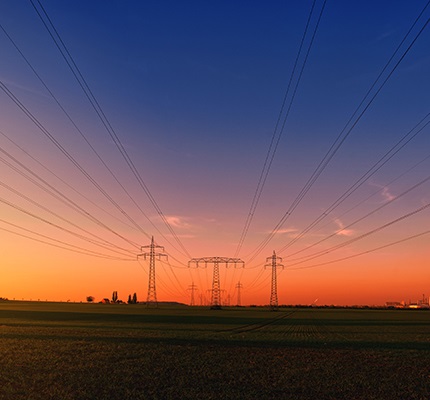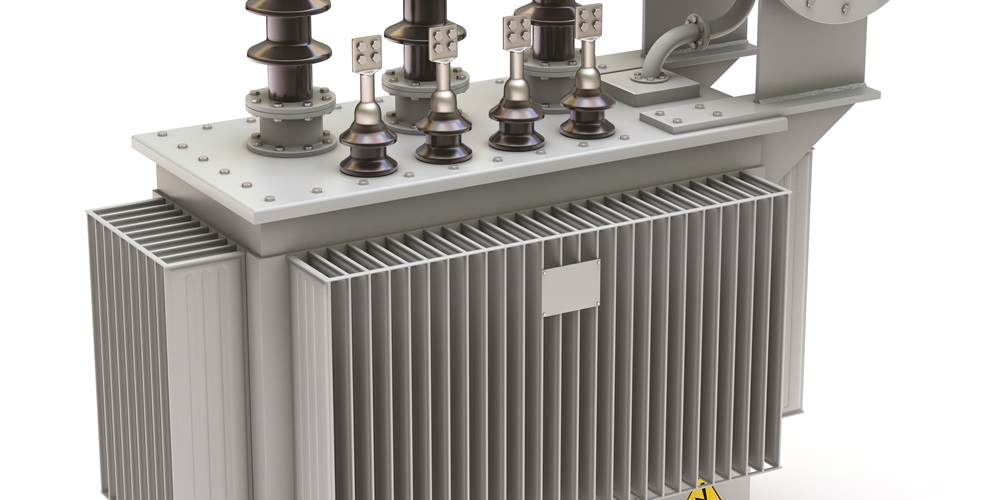
The rapid expansion of hyperscale data centers—driven by artificial intelligence, cloud computing and the electrification of nearly every industry—is placing unprecedented strain on the power infrastructure that supports it. Among the most acute bottlenecks is a component rarely discussed outside utility circles: the transformer. Once a stable, predictable segment of the electrical supply chain, transformer production is now struggling to keep pace with surging demand, long lead times and constrained manufacturing capacity.
As utilities and developers race to energize new facilities, shortages of distribution and large power transformers are delaying projects and reshaping timelines across the energy and technology sectors. In response, manufacturers and engineers are accelerating innovation by introducing new materials, modular designs and advanced cooling and monitoring systems aimed at increasing efficiency, scalability and speed to deployment. What was once mature, slow-moving technology is now at the center of a critical industrial evolution—one that will help determine how quickly the digital economy can continue to grow.
Last year, Hitachi Energy, Raleigh, N.C., announced a step toward easing one of the power sector’s growing constraints: the shortage of high-capacity transformers needed to support large-scale electricity demand, including demand driven by data center expansion.
At the core of the development is a newly tested ultra-high-voltage transformer rated at 765 kV / 400 kV and 250 MVA—one of the most powerful configurations of its kind.
Instead of traditional mineral oil, this unit uses natural ester fluid. This shift improves safety, with a significantly higher fire resistance and self-extinguishing properties, while reducing environmental risk due to its biodegradability.
From a grid perspective, new transformer types like these are critical infrastructure. Ultra-high-voltage systems like 765 kV are designed to move large amounts of electricity efficiently over long distances—exactly the kind of capability required as hyperscale data centers demand more power, often sourced from remote generation sites. A single transformer of this class can support power delivery equivalent to that needed for a mid-sized city, underscoring its importance in scaling electrical networks.
Equally significant is how they plan to produce this technology. The transformer is built on the company’s TrafoStar platform, a standardized, globally deployed manufacturing and design system used across its factories. This approach enables faster replication, consistent quality and more efficient scaling of production—factors that are essential in addressing current supply bottlenecks.
In practical terms, this innovation helps in two ways. First, it expands the availability of high-capacity transformers that utilities need to upgrade transmission networks and connect new, power-intensive facilities such as data centers. Second, it introduces safer and more environmentally resilient designs, making it easier to deploy transformers in urban or environmentally sensitive areas where permitting and risk concerns can delay projects. This may also present some appeal for public acceptance, which is an ongoing challenge for data center owners as they seek acceptance and permission from local communities and authorities.
While it does not solve the transformer shortage outright, this advancement points to a broader industry shift: combining higher-capacity designs with standardized manufacturing and improved materials. Together, these changes could gradually reduce lead times and increase supply, helping utilities and developers keep pace with the accelerating electricity demands of the digital economy.
About The Author

ROMEO is a freelance writer based in Chesapeake, Va. He focuses on business and technology topics. Find him at www.JimRomeo.net.
.tmb-art-li-th.png?Culture=en&sfvrsn=9278ce2b_1)