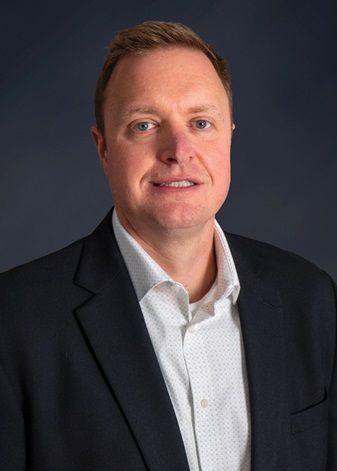
Steve Kopp has leveraged his love of technology to enhance his calling: safety. Kopp is vice president of safety, health and environmental at M.J. Electric LLC, Iron Mountain, Mich. He received a Bachelor of Science in safety studies from Keene State College and is the recipient of the 2024 Quanta CEO Innovation Award and the 2022 Quanta Safety Professional of the Year. He serves the industry as the vice chairman of the Inter-Utility Overhead Training Association and represents Quanta Services on the OSHA ET&D Partnership—Task Team II.
How did you get into safety?
I originally planned to become a technology teacher, but the teaching market wasn’t very stable. I pivoted into safety because it felt more secure, but, very quickly, I realized it was a natural fit for me. Safety allowed me to use my technical side while also making a real difference for people. It started as a job but grew into a passion.
What defining events shaped your approach to safety?
Two stand out. The first was visiting a lineman in the hospital after a serious accident. He was one of the toughest guys on the crew, and seeing him completely vulnerable made me realize that safety is deeply human; it’s about protecting people and their families, not just following rules.
The second was a fatal grounding incident in 2017. That tragedy pushed me into the technical and regulatory side of safety in a new way. I immersed myself in grounding, step potential and electrical hazards, and even developed a simulator to train crews more effectively.
What safety practices have been most effective at M.J. Electric?
The most effective practices are structured systems that crews actually use in the field: the energy wheel, the capacity model and STKY controls.
The energy wheel is a visual hazard recognition tool used during work planning to identify high-energy hazards in the work area. It has gained widespread acceptance across industries as an effective method for improving safety. It empowers field teams to evaluate their tasks and implement controls that focus on both prevention and preparedness for failure.
The capacity model focuses on improving how we manage serious safety risks. One of its core elements is STKY—“Stuff That Kills You.” While we’ve made progress in reducing minor incidents, our industry continues to experience life-altering, life-threatening and life-ending events. The capacity model emphasizes the need to prioritize these high-risk scenarios when planning work.
We’ve developed STKY controls, which outline common high-risk tasks and define the controls that must be verified before work begins. These controls focus on prevention, but are designed to allow failure to occur safely and help mitigate STKY-related injuries.
Operational learning teams help us understand how work is actually performed in the field—not just what went wrong after an incident. The growing acceptance among operational leadership that mistakes can and will happen has been a relief to many. This shift helps reduce the fear of reporting events, which often stems from past experiences of punishment or embarrassment tied to traditional safety management approaches.
Throughout my career, I’ve seen many safety initiatives come and go. However, the capacity model feels different. It resonates with our workforce in a way that previous programs have not.
How are you using artificial intelligence in safety?
My team and I have been experimenting with A.I. in several areas. For daily job briefings, we’ve built an A.I.-supported platform that guides crews through structured hazard discussions and helps document controls. We’re also using A.I. to review past incident data to identify hidden vulnerabilities.
Moreover, we’re leveraging A.I. in training management by tracking training records to spot gaps as well as developing training content. A.I. helps us to generate custom videos, voice-overs and e-learning content so training can be more engaging and tailored to specific crews. A.I. doesn’t replace people, but it gives them sharper tools to recognize and manage risks.
What are the biggest challenges you face?
Balancing operations and safety: The old “us vs. them” mindset has improved, but production pressures are always there. You have to make sure safety isn’t compromised. Rotating workforce: Crews change constantly, so you have to repeatedly onboard and align people to your culture and expectations. Complacency: Most workers care about safety, but familiarity breeds shortcuts. My role is to set expectations, hold accountability and keep standards from slipping.
What advice would you give to other safety professionals?
Safety eventually becomes more than a job—it becomes a calling. Keep improving and play to your strengths. Some safety professionals excel at communication, some at training, others at writing policies or digging into the technical details. Find the area where your skills make the biggest impact, and focus on continuously getting better.
M.J. Electric
About The Author
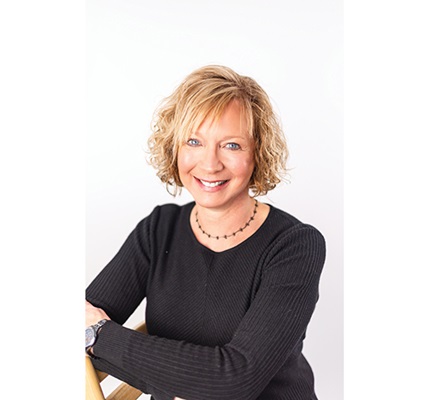
KUEHNER-HEBERT is a freelance writer based in Running Springs, Calif. She has more than three decades of journalism experience. Reach her at [email protected].