A new report published in September 2026 by the National Association of Home Builders (NAHB), Washington, D.C., revealed that single-family home construction is largely on the decline nationwide, while multifamily homes are on the rise.
To measure what classifications of homes are on the rise or decline, NAHB used its Home Building Geography Index (HBGI). The HBGI classifies U.S. counties into seven major classifications based on their population size and density. Large metro core counties is the most populated (over 1 million people) and densely populated classification, while non-metro/micro counties is the least populated and least densely populated classification.
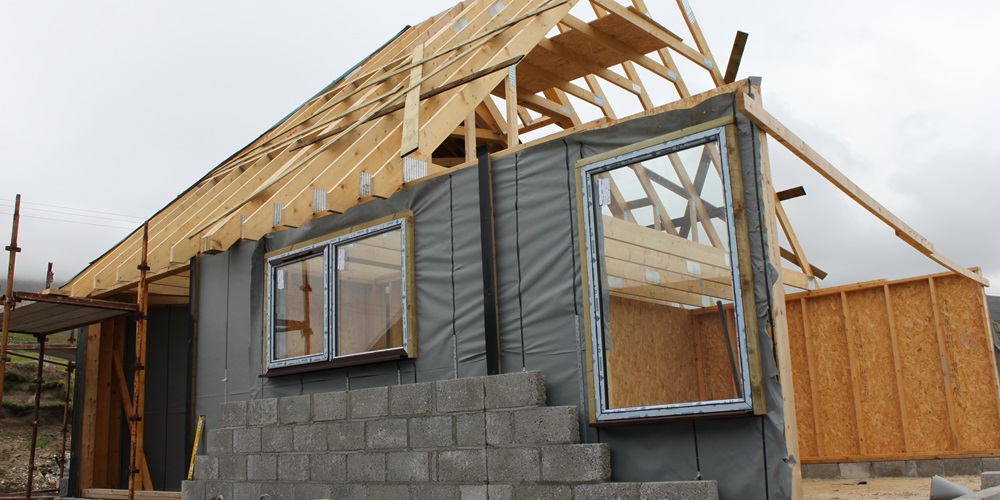
NAHB’s findings for Q2 of 2026 found that single-family home construction has been on the decline year after year in six of the seven county classifications, with that decline being the largest at 13.9% in largely populated large metro core counties, while lesser populated small metro outlying countries were the only ones to grow at just 0.9%.
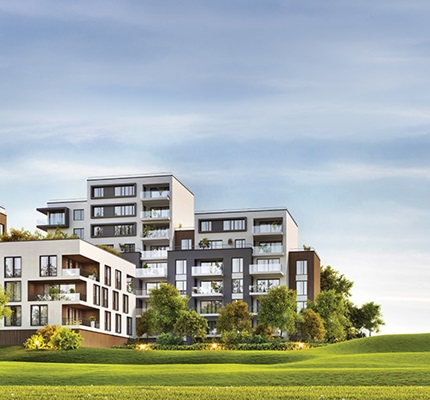
On the contrary, multifamily homes are on the rise in six of the seven county classifications, with 62.7% of new multifamily home construction occurring in large metro core counties and large metro suburban counties, where single-family homes are seeing the steepest decline.
NAHB cites rising building costs, high interest rates and economic uncertainty as reasons why single-family home construction is declining.
“Builders are finding more opportunities in smaller metro areas, where developable land is generally more available and less expensive,” said Bill Owens, NAHB chairman. “Outlying counties of small metros posted the largest gain in single-family market share, underscoring how affordability challenges are shaping where new housing can be built.”
This is all while multifamily housing, which is more likely to house renters than single-family housing, is experiencing a rise from an increased demand for rental housing, coinciding with a decrease in intention to buy homes.