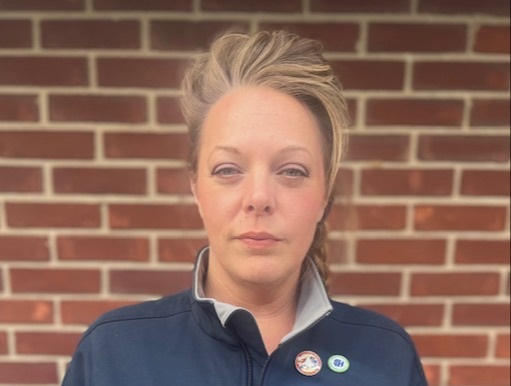
For Rachel Stull, safety processes can only evolve if field workers help mold them, because they know their trade better than anyone. Stull, safety manager for Hatzel & Buehler Inc.’s Washington, D.C., branch in Beltsville, Md., shared her journey in the profession.
What sparked your interest in getting into the safety profession?
Training was a big part of my career before getting into safety. Getting people to buy in to your training was the part that had the most impact on me and my students. Having a class that really went well meant everyone taking away the knowledge and putting it into play in their lives, and that was really rewarding.
I taught driver’s education and firearms classes before joining safety and both of those topics had heavy safety themes. Some of the most rewarding teaching I did was with the most challenging cases—students who were afraid or had bad habits. Helping to change those outcomes was impactful.
What safety practices have been particularly effective?
Culture really is the key to any great safety program. You can use all the bells and whistles in training and practices, but if your people aren’t invested, none of that will work. Building relationships with the field staff has held the most weight for me in building a strong culture. Having conversations with them, not just on hard days or when something goes wrong.
Sometimes it feels like the safety team’s involvement is mainly when something negative has happened. I wanted to change that—building relationships with our people and taking into consideration what they might have going on at home or on the site. Always being a resource is another strong aspect of our culture.
Is there a specific injury that changed how you thought about safety?
Unfortunately, yes, and it changed everything I felt about safety. I still think to this day, could I have pushed that person more or should I have tried a different tactic or process? Ultimately, it made me a better safety leader and better at spotting certain types of behavior.
I’ll never forget that day—I can still see and hear every detail of the events that unfolded after the incident. I think those unfortunate situations push invested safety leaders to make a bigger and better difference every day. Your field people can tell the difference between someone who really cares about their team versus someone just there to bark orders. Respect is a two-way street—you have to give it to get it. Every day I’m inspired by the hard work our people do and how I can better protect them.
What challenges do you face in managing safety responsibilities?
Something I repeat to my people is, “We’re built for this.” We look a challenge in the face and give it a wink, come up with the best plan for the safest outcome. Sometimes we face site challenges, time frame challenges, personality or behavior challenges. Other times it’s supply chain challenges, or simple things like computer issues during training.
The thing is, life is a challenge, each day is a challenge and we do the best we can to manage them as they come. Having great leadership truly invested in the safety of its employees and team support is the biggest factor in our success during challenges. #TEAMWORK is our motto.
How do you encourage crews to take safety seriously?
We show that we are invested in their safety, we understand the challenges they face, we get it because we also face our own and we are all on the same team. Don’t walk past a person doing the wrong thing and then come back with disciplinary action. Instead, stop and have a conversation about why they were doing the wrong thing and how that could hurt them or others. Explain why we have certain policies or procedures. Then we still must hold people accountable and do our diligence in documentation.
Some of the best safety success stories I have seen in the last eight years have started with conversations, write-ups and training. People make mistakes; it’s important to educate them on the “why” or they’ll never invest in their own safety.
Also, listen to your people and talk with them—not at them
Do you have any other advice for safety professionals?
Presence! Get out there, be a resource and part of the process. Great safety cultures happen when safety is part of the team, not just an inspector-type coming through occasionally to audit or talk strictly about procedures and discipline.
Listen to their concerns, build that respect and come to agreements on how to do the work safely. Involve them—they know their trade better than we do and understand its limits and functions. You can learn so much from your field and that will only help our safety processes evolve.
Rachel Stull
About The Author

KUEHNER-HEBERT is a freelance writer based in Running Springs, Calif. She has more than three decades of journalism experience. Reach her at [email protected].