Parallel conductors smaller than 1/0
A neutral conductor failed in a feeder supplying a 100A panelboard for computer equipment. In an emergency, the engineer had us remove the existing feeder from the conduit and install three 3 AWG copper 90°C conductors and two 2 AWG copper 90°C conductors for the neutral. The conduit size was OK. Why would they do this? Harmonics? I thought the smallest conductor for paralleling was 1/0.
The general rule in 310.10(G) is that each ungrounded conductor or neutral conductor is permitted to be connected in parallel (electrically joined at both ends) only in sizes 1/0 AWG and larger. However, there are two exceptions to this rule. Exception No. 2 permits 2 AWG and 1 AWG grounded neutral conductors to be installed in parallel under engineering supervision for existing installations. In some cases, phase currents from 120V nonlinear loads used in computers and in monitors, etc., can be perfectly balanced and the value of the neutral current can be as much as 173% of the phase current. The intent of Exception No. 2 and the engineer is to double the neutral ampacity to handle the excess current without overheating.
SPGFCI for a pool pump motor?
Drawings for a large pool require the pool motor to be protected with a special-purpose ground-fault circuit interrupter (SPGFCI). Is that a Code requirement or just a design thing? We have not run into that in the past; it is very expensive.
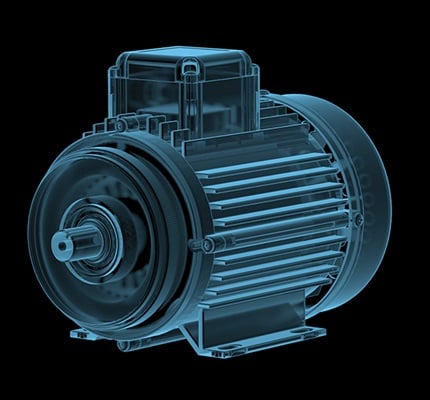
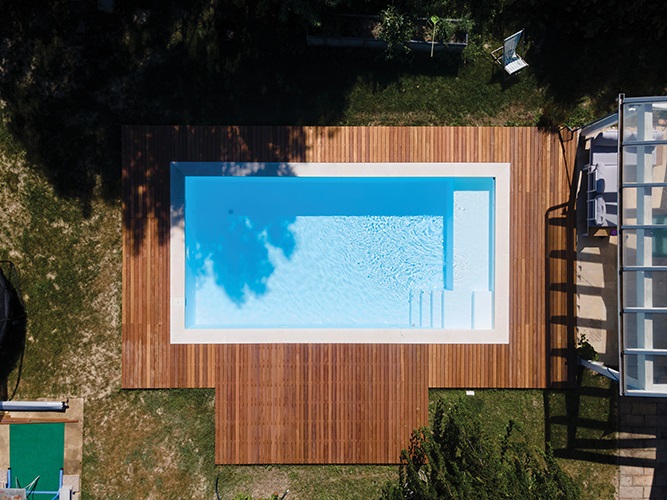
SPGFCI protection is required in the 2023 NEC for pool motors over 150V to ground but not exceeding 480V phase-to-phase, single- or three-phase. Remember the NEC is the minimum and engineering professionals can design and specify above these requirements. Rules for GFCI protection of pool pump motors have changed significantly over the last few Code revision cycles. It all depends on which edition of the NEC you are using. Over the last three cycles, the changes requiring GFCI protection for pool pump motors are as follows: in 2017 [680.21(C)], single-phase, 120V through 240V branch circuits, whether by receptacle or by direct connection. In 2020 [680.21(C)], all outlets supplying pool motors on branch circuits rated 150V or less to ground and 60A or less, single- or three-phase.
In 2023, the GFCI requirement remained the same as in 2020, with a new SPGFCI requirement for pool pump motors supplied at more than 150V to ground. See 2023 Section 680.21(C)(1), which mandates ground-fault protection in accordance with 680.5(B) or 680.5(C). Note that GFCI is a defined term in Article 100 and the device must operate when a ground-fault current exceeds the values established for a Class A device. The term SPGFCI is also defined in Article 100, and Section 680.5(C) requires that SPGFCIs be set to operate at a value not to exceed 20 milliamps of ground-fault trip current.
Class I luminaires
Is a lighting fixture marked Class I, Division 2 capable of being installed in any Class I, Division 2 location?
No, all electrical equipment installed in hazardous locations must be identified for the class, division and the specific gas or vapor that exists. See Section 500.6(A) for Class I group classifications. For example, typical materials and group classifications are listed as: acetylene group A, hydrogen group B, ethylene group C and propane group D. See Informational Note No. 1 following 500.6(A), which explains that the explosive characteristics of gases/vapors mixed with air will vary with the specific material involved. Therefore, in addition to the class and division markings, equipment must be identified for the specific group of gas or vapor that will be present. See Section 500.8 for general equipment requirements.
Type USE cable
Is it permitted to run type USE cable underground and up into panelboards for townhomes? These runs are feeders, not service conductors, because they are on the load side of 200A circuit breakers. An inspector is telling us we cannot bring that cable into the building. We have done this a hundred times in other locations.
The inspector is correct. Type USE cable is prohibited for use as interior wiring; see 300.12(B). Additionally, this section prohibits type USE for aboveground installations except where it emerges from the ground and is terminated in an enclosure at an outdoor location; see also 300.5(D).
Is solid 8 AWG EGC permitted?
We used No. 3 AWG insulated copper conductors and a bare No. 8 equipment grounding conductor (EGC) in a short nipple between two panelboards. An inspector flagged us and that said that No. 8 conductor in a raceway must be stranded. Is that correct?
No, in this case a solid 8 AWG is permitted as an EGC in a raceway. The general rule in Section 310.106(C) requires conductors 8 AWG and larger to be stranded unless there is specific permission elsewhere in the NEC. In this case, there is permission in another requirement that permits EGCs to be solid. See Section 250.118 for permitted types of EGCs. List item (1) permits copper, aluminum or copper-clad aluminum conductors used as EGCs to be solid or stranded; insulated, covered or bare.
Written procedures
In an existing commercial occupancy, we are replacing switchboards that are at least 75 years old. The engineered drawings state that we can use Condition 2 working clearances (we cannot do it otherwise) because we are in an existing building. It has been brought to our attention that written procedures are required for any work on the replaced equipment. What does that mean and who puts those together?
The general rule in 110.26(A)(1) for depth of working space recognizes three conditions that may need relief of some type. See 110.26(A)(1)(a) for dead front assemblies, (b) for low-voltage and (c) for existing buildings. The permissive requirement in 110.26(A)(1)(c) allows electrical equipment being replaced to use Condition 2 working clearances between dead front switchboards, switchgear, enclosed panelboards or motor control centers located across the aisle from each other in existing buildings.
However, this permission applies only where conditions of maintenance and supervision ensure that written procedures have been adopted to prohibit equipment on both sides of the aisle from being open at the same time and qualified people who are authorized will service the installation. The NEC does not mandate who develops these written procedures. In some cases, the electrical inspector will require the written procedures be located on the approved drawings. While signage is not required, it would be prudent and could include the written procedures on the replaced equipment.
NFPA 70E and installation requirements
Does NFPA 70E affect installation requirements? Are incident energy labels required on all new installations by 70E?
No, the NEC and NFPA 70E share the same general objective with respect to the hazards arising from the use of electricity. The objective is safety. The purpose of the NEC is the practical safeguarding of people and property, while NFPA 70E’s purpose is a practical safe working area for employees.
The equipment labeling requirements in 70E, Section 130.5(H) are not installation requirements. See the last sentence in 130.5(H), which clarifies that the electrical equipment’s owner is responsible for the documentation, installation and maintenance of the marked label. It is an option for the owner.
It is important to note that the NEC does require limited arc flash labeling in addition to the general warning requirement in 110.16(A). See 110.16(B), which requires service and feeder supplied equipment in other than dwelling units, rated 1,000A or more, to have a permanent field- or factory-applied arc flash label. This requirement mandates that the arc flash label be in accordance with applicable industry practice and include the date the label was applied. The following Informational Note No. 2 explains that the applicable industry practice referenced in the requirement is found in NFPA 70E. See page 36 for more on labeling requirements.
stock.adobe.com / epiximages
About The Author

DOLLARD is retired safety coordinator for IBEW Local 98 in Philadelphia. He is a past member of the UL Electrical Council, NEC Correlating Committee, NEC CMP-10, CMP-13, CMP-15, NFPA 90A/B and NFPA 855. Jim continues to serve on NFPA 70E as a Special Expert. Reach him at [email protected].