On July 1, 2026, the Massachusetts Senate passed S.3145, a bill that, if implemented into law, would set a 3,000K color temperature ceiling and require light shielding for new publicly funded outdoor lighting in Massachusetts.
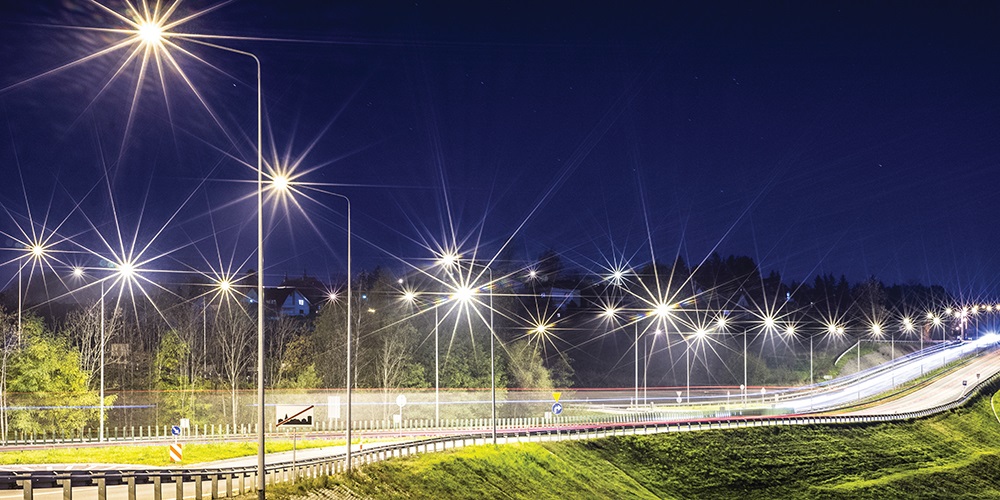
The bill’s goal is to protect the environment, conserve energy and make outdoor lighting more cost efficient. About 75% of people living in Massachusetts live in areas with light pollution significant enough that they cannot see the Milky Way. High color temperature light (above 3,000K) and unshielded light are major contributors to light pollution.
Light pollution mimics daylight, making it highly disruptive to our circadian rhythm, which controls our sleep-wake cycles. Light pollution affects wildlife even worse than humans since they cannot simply go inside to escape artificial light during the night, leaving their sleeping and eating schedules disrupted.
Lower color temperature light (3,000K or under), which would be the norm in Massachusetts if S.3145 became law, supports melatonin production that leads to better sleep and overall well-being.
The bill includes exceptions to the 3,000K color temperature ceiling in instances where higher color temperature light is needed for safety. This includes construction and repair lighting, aviation lighting and other temporary lighting needed for emergencies.
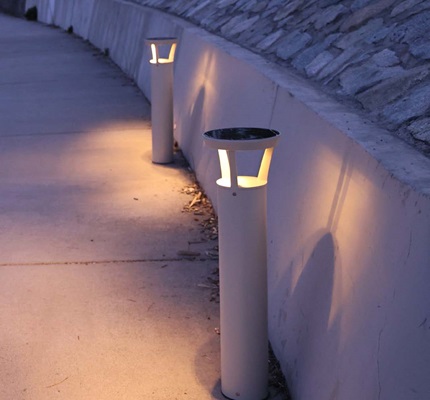
Light shielding makes energy use more efficient in outdoor lighting. Light shields are designed to control the direction and spread of light so light is only displayed where it is needed. According to Dark Sky International, an estimated 30% of unshielded outdoor light in the United States is wasted by creating glares that distract drivers, projecting light from reaching nearby private properties, creating light pollution from projecting artificial light onto the nighttime sky or other unintended uses of outdoor light. This wasted light costs an estimated $3.3 billion per year.
Light shielding can reduce energy usage for outdoor lighting by up to 30% by reducing wasted light, meaning despite the direct costs of light shields, they make lighting more cost efficient.
While this bill has passed the Massachusetts Senate, it still awaits reconciliation through a conference between the House and Senate, and the governor’s approval, before it becomes law.