It’s no surprise that online access is absolutely crucial to personal and business pursuits today. Without it, everything seems to grind to a halt.
It’s also no surprise that the advent of artificial intelligence (A.I.) and large language models are spurring the development of data centers across the country. According to the Pew Research Center, there are more than 3,000 functional data centers operating in the United States, with about 1,500 more in development.
That provides big opportunity for electrical contractors, but according to Patrick Hughes, senior vice president of strategy, technical and industry affairs for the National Electrical Manufacturers Association (NEMA), these are new buildings with quickly evolving power needs.
That’s why NEMA has teamed up with ASHRAE and the Pacific Northwest National Laboratory (PNNL) to launch the online A.I. Data Center Energy Performance Framework, a comprehensive set of technical standards and industry best practices that will aid data center project developers and facility managers in the design, installation and maintenance of critical energy infrastructure. That includes electrical, heating and cooling equipment and integrated systems.
“The data centers that are being built today are fundamentally different than any other type of building or facility we’ve ever seen,” Hughes said. “They are incredibly power-dense, and when you’re trying to deliver that many electrons into such a small and closed space, you’re using existing technologies in a different way, for a brand-new application. The pace of innovation in data centers has outstripped the ability of traditional building codes and standards to keep pace.”
Hence the trilateral framework, which has several advantages for electrical contractors—the most important of which is safety, he said.
“We want to make sure everybody who is working to build a data center and working to operate and maintain a data center is safe,” he said. “What we’re seeing is because of the power consumption needs of the racks changing, our delivery is changing.
“We’ve been talking a quite a lot about 800V DC delivery to the racks. That’s much higher than most people are used to working with. We want to make sure protections are in place for that power so accidents don’t happen.”
The framework outlines best practices and applicable standards for planning and siting, integrated design principles, energy and thermal efficiency, grid-interactive design, resilient design, commissioning and performance validation, operations and maintenance, and retrofit and modernization strategies for data center development professionals.
It includes more than a dozen NEMA technical standards and guidance documents, including resources for energy storage systems, microgrids, transformers, switchgear and UPS systems, among others.
“As A.I. continues to drive rapid changes in load density, system design and operational expectations, this framework brings together the collective expertise of ASHRAE, PNNL and NEMA to deliver practical, integrated solutions,” said Bill McQuade, 2025-26 ASHRAE president, in a June 2026 press release. “It translates complex technical challenges into clear, actionable strategies that help operators enhance performance, control costs and make more effective use of energy, while strengthening reliability at both the facility and grid level.”
Hughes also said that another problem the framework solves is speed-to-power; in other words, the ability to build data centers faster to meet industry demand.
“One of the bottlenecks we’ve seen is on the approvals and utility interconnection side,” he said. “That bottleneck is slowing down the pace of construction in these data centers. Something utilities are looking for is the ability for a data center to be a grid asset and not just a load it has to accommodate.
“The faster you can get that approval from the utility, the faster you can start building, and to do that you probably need to build on-site generation, storage [and] microgrid, and those are things that the framework will help guide you through that decision-making process,” Hughes said.
About The Author
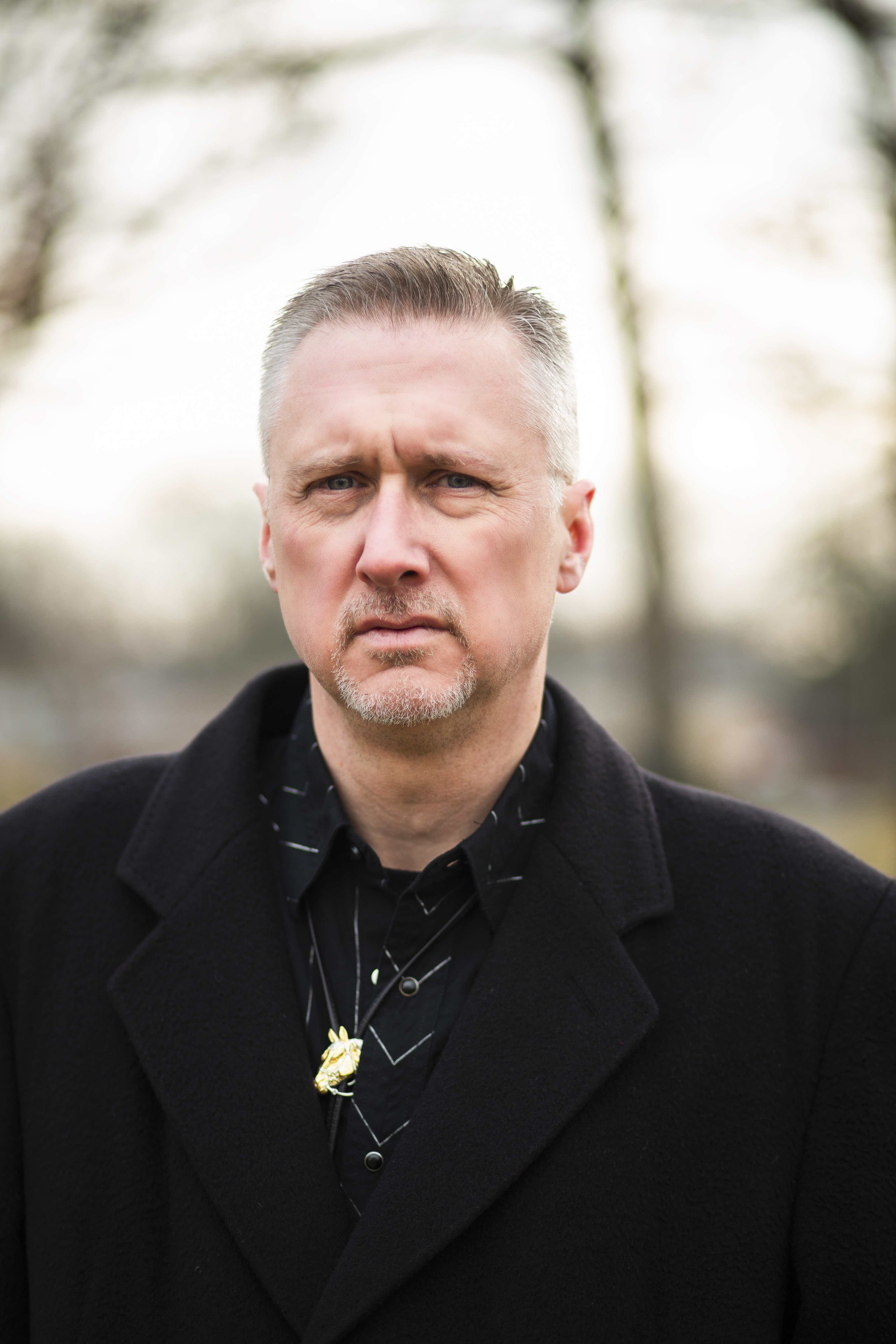
VOSS is a freelance writer based in the Chicago area and has worked extensively in the low- and high-voltage areas of the electrical industry. Contact him at [email protected].