More U.S. office buildings are being converted to residential and other types of properties, though many older unsuitable buildings are being demolished instead.
What’s the driver? High vacancy rates—the national rate logging in at 19.4% in May, an increase of 160 basis points from a year earlier, according to Yardi’s June Matrix Office National Report. In response, more than 149 million total square feet of office space across the country have been proposed for conversion.
“Record-high office vacancies are creating opportunities for building owners to repurpose vacant spaces and for cities to address persistent housing shortages,” according to the report.
In a separate report by CBRE, continued conversions, and demolitions, should support the recovery of the U.S. office market as inventory is reduced—at the same time the availability of new office space declines.
The majority (70%) of planned and active conversion projects by square footage are to multifamily units. Since 2018, such conversions have resulted in more than 28,500 housing units, with another 43,500 expected if planned projects proceed.
The business case is compelling: for the first quarter, the U.S. national vacancy rate for multifamily was just 4.8% compared to 19% rate for office, while average multifamily rents have risen 21.3% since 2020, compared to just 1.4% for office.
“Cities are also easing regulations and offering incentives to address housing shortages and increase property tax revenues,” according to CBRE. “Older buildings with distinctive architectural features are frequently chosen for conversion, preserving their character and historical significance while meeting modern needs.”
Office buildings are also being converted to life sciences uses and hotels, but far less so than residential properties, according to the report.
“Conversions of outdated office buildings are playing a pivotal role in revitalizing downtowns and shaping the future of cities,” CBRE wrote. “By breathing new life into underused spaces, these projects can spark economic activity and community vibrancy. However, not all buildings are suitable for conversion.”
More than half of demolitions are for office buildings built 40–50 years ago with large floor plates that make conversion into multifamily units more difficult, though these buildings still account for a third of conversions. The viability of future conversion projects will remain challenged by factors such as building age, floor plate size and location.
“Rising construction costs, perhaps exacerbated by tariffs, along with less labor availability and persistently high interest rates, will add further impediments,” according to CBRE. “As a result, many developers will likely wait for a more favorable economic environment to move forward with their plans.”
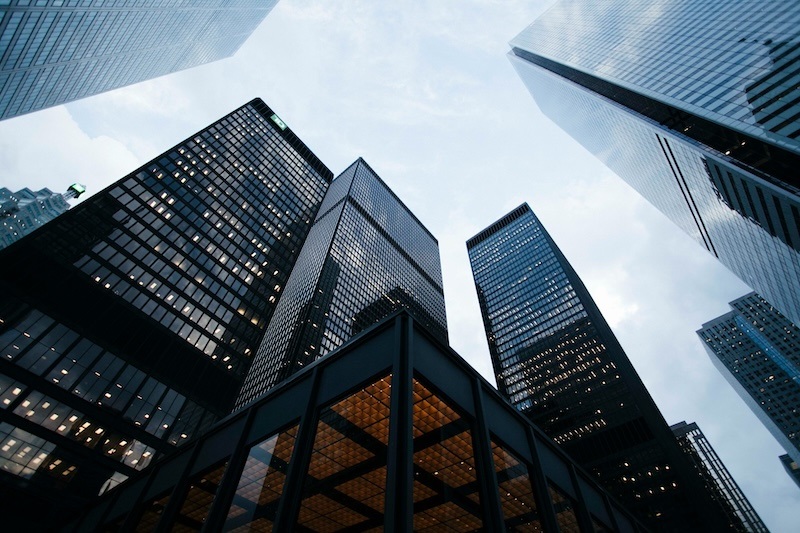
Photo by Sean Pollock on Unsplash
About The Author

KUEHNER-HEBERT is a freelance writer based in Running Springs, Calif. She has more than three decades of journalism experience. Reach her at [email protected].