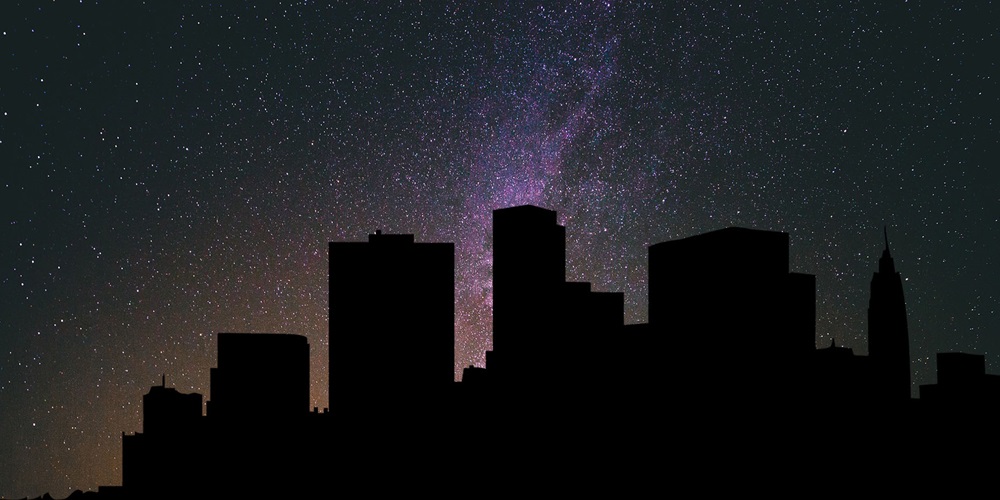
Chicago once again is aiming to be virtually dark at night—and it’s all for the birds. Literally.
Since 1995, “Lights Out Chicago” has been saving 10,000 birds’ lives annually by encouraging owners and managers of tall buildings to turn off or dim their decorative lights from 11:00 p.m. until sunrise during the migratory seasons, mid-March to early June and late August to mid-November.
More than 250 species migrate through Chicago, totaling roughly about 8 million birds in all, according to the city of Chicago. Many birds killed by Chicago buildings are small migrants from the tropics—warblers, thrushes, tanagers and others.
“Lights from tall buildings can disrupt these migratory paths, causing birds to circle buildings repeatedly. As a result, many of them die from exhaustion or after colliding with a building,” according to the city’s website.
The Chicago Audubon Society manages the program along with the city, the Building Owners and Managers Association and the National Audubon Society.
“In addition to saving migratory birds, building owners have realized direct benefits, including decreased energy and maintenance costs,” the city’s website states.
The program specifically targets buildings with more than 40 stories, or more than 20 stories if they are not immediately adjacent to other tall buildings. However, offices as well as homes both inside and outside the city’s main “loop” are also encouraged to turn off their lights, especially those along the lakefront and riverfront where the birds typically rest.
“Thousands of migratory birds are settling to rest in the early morning hours, seeking shelter and food after their long migratory journey,” according to the city’s website. “They can collide with lighted glass as they try to enter the space behind it. Research has shown that birds do not see glass.”
Multistory buildings are encouraged to extinguish or dim exterior or decorative lighting, including spotlights, logos, lighted clock faces, greenhouses and antennae lighting. Lobby lighting as well as lighting in any perimeter rooms on all floors should also be minimized.
Additional guidelines include:
- Use timers effectively to ensure light is only used when needed, if at all.
- Install motion-sensitive lighting.
- Use lower-intensity lighting where possible.
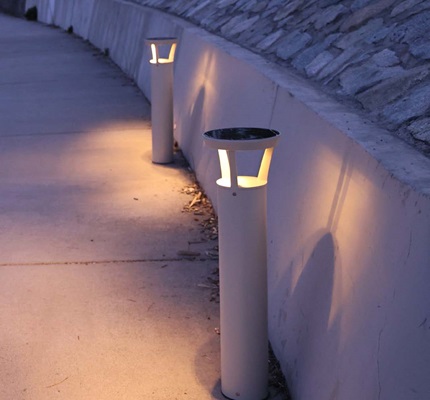
- In outside public areas where light is needed for public safety, avoid “light trespass” by using light fixtures that direct the light down where it is needed, instead of horizontally or upward.
- Use desk lamps or task lighting for security desks and work stations rather than overhead lights.
- Schedule cleaning crews to work during daylight or early evening hours rather than after 11:00 pm.
- Avoid illuminating interior plants or fountains that are attractive to birds.
- Use “zone capable” interior lighting systems that allow selected rather than all areas of an interior space to be illuminated.
- Draw curtains or blinds to reduce any light escaping.
About The Author

KUEHNER-HEBERT is a freelance writer based in Running Springs, Calif. She has more than three decades of journalism experience. Reach her at [email protected].