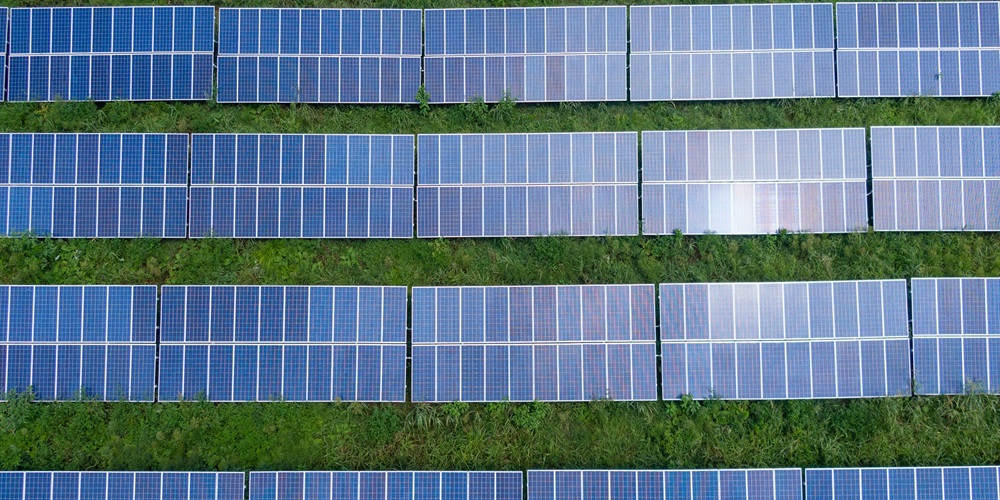
A former industrial site in Acton, Mass., is getting new life as a 7.1-megawatt (MW) solar power plant, according to a November 2025 press release from Distributed Energy Infrastructure (DEI), which provides engineering, procurement and construction (EPC) services for renewable energy generation and battery energy storage in markets throughout the country, and served as the EPC/installer on this project.
The Acton solar power plant is built on a former chemical manufacturing facility. The Environmental Protection Agency (EPA) designated it a Superfund site in 1983, after toxins from the industrial site contaminated two of the town’s drinking water wells, according to Green Acton, a nonprofit grassroots organization that works to protect and enhance the town’s environment.
This transformation of contaminated sites, often called brownfields, is occurring in states all over the country, including Illinois, Massachusetts, New Jersey, New York, Ohio, Pennsylvania and Virginia. In 2010, the EPA launched RE-Powering America’s Land, a program aimed at revitalizing brownfields across the United States.
Safely constructing on brownfields and Superfund sites requires stringent environmental and health safeguards. Crews must be trained in how to properly handle hazardous materials, follow specialized health and safety protocols, and minimize excavation work, according to Solar Builder Magazine, which announced the Acton site as a finalist in its Project of the Year 2025 Award for 1- to 10-MW projects.
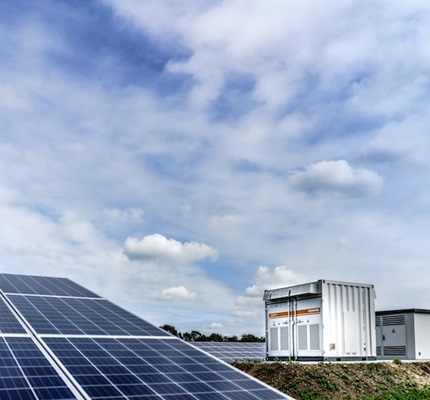
The project was developed by solar company Syncarpha Capital, New York, which will provide renewable energy through a community solar model and battery storage system. This system supports Massachusetts’ SMART and Clean Peak Standard goals. It also enhances local grid resilience, urgently needed due to America’s aging grid infrastructure and the increasing impacts of extreme weather related to climate change.
DEI coordinated with six different regulatory agencies and created contingency plans during the Acton project, which were needed when asbestos was discovered, prompting certified specialists to remove the hazardous material under regulatory oversight, according to Solar Builder Magazine.
Electrical infrastructure in the Acton site, in particular, was designed primarily aboveground to avoid disturbing contaminated soils. The overall solar system was also designed around existing structures, such as old concrete slabs.
To safely secure the racking systems to the ground, DEI worked with Terrasmart, a U.S. solar racking firm, one of the first using ground screw foundations as well as conventional pile-type foundations. These ground screws, which work well in tough terrains and numerous soil types, provide a solid foundation for solar projects, according to an article about the Acton project in CleanTechnica. The screws enable smooth racking work over rocky soils, frost layers and uneven ground, which can bring significant savings for site preparation and reduced installation time, according to the article.
Such projects convert brownfields and provide jobs through the construction involved in transforming these sites and managing the new clean energy. Nearly 40 local jobs were created during construction of the Acton solar power plant, according to Solar Builder Magazine.
The RE-Powering America’s Land program provides an interactive map that identifies contaminated lands, landfills and mine sites that could be used renewable energy development. The National Brownfields Coalition, a nonpartisan alliance that advocates for the cleanup and reuse of contaminated or underused land, and Smart Growth America, a nonprofit coalition of advocacy groups that support transportation and development policies that favor high-density, mixed-use communities, have gone a step further. The two organizations developed an interactive map combining the EPA’s RE-Powering data with an assessment of each site’s infrastructure readiness and economic potential.
About The Author

Chertock is a poet and renewable energy and science journalist in the Washington, D.C., area. Contact her at [email protected].