Servicing and maintaining electrical equipment is an extremely important requirement that many people do not take seriously. They may consequently end up suffering major losses associated with electrical systems. Electricity and electrical equipment are actually very forgiving, but periodic maintenance is required to maintain the longevity of the system and ensure proper equipment operation.
Electrical system manufacturers provide maintenance requirements for their systems and electrical equipment that is listed, labeled or identified for use and must be installed and used in accordance with any instructions in the listing, labeling or identification. These instructions will result in a safe installation and use based on National Electrical Code requirements.
NEC requirements
In the past, the NEC did not specifically require electrical equipment maintenance, but with the acceptance of new requirements in NEC 110.17 and other required locations in the 2023 and 2026 editions, specific service and maintenance is now a necessity.
NEC 110.17 states that servicing electrical equipment must be performed by qualified people trained in doing that type of work on that equipment, and they must comply with the original equipment manufacturer instructions and any information included in the listing information, applicable industry standards or as required by the authority having jurisdiction (AHJ).
The servicing work must use identified replacement parts verified by product standards and should be the same type of parts in the original equipment. Preferably, the parts should be supplied by the original manufacturer. If that is not possible, the parts should be created by an engineer experienced in the designing replacement parts for the equipment. These changes should be approved by the AHJ.
The AHJ may require a third-party lab to field-evaluate changes according to relevant equipment standards. For equipment not listed or field-evaluated and labeled, or for components no longer available, one way to determine suitability is to review the documentation that accompanies the replacement parts. Remember that NFPA 70B covering electrical maintenance is now a standard and should be used for servicing and maintaining electrical equipment.
Servicing, maintaining and replacing equipment is also now required by NEC 555.15. Damaged equipment must be recognized, documented and serviced by qualified people based on the installed edition of the NEC. When equipment is in need of replacement, especially due to corrosion and similar damage, a qualified person must document and replace it in accordance with the NEC. The AHJ must inspect and approve the installation.
A few real-world examples
Once a new electrical system is installed at a boatyard or marina, the owner or operator of that facility must provide proper maintenance of electrical equipment to ensure the boating community is safe from potential damage to equipment. The extreme environmental conditions in many boatyards and marinas require constant monitoring and maintenance to ensure safe installations are maintained. There is so much natural damage to electrical equipment in freshwater lakes and saltwater areas that yearly inspections may be necessary to limit and correct any hazardous damage to the electrical system.
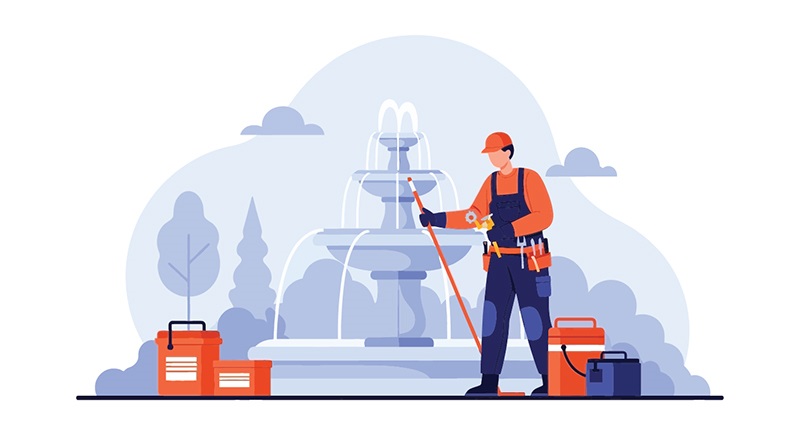
Electrical equipment for swimming pools and similar water features, such as fountains and spas, can also suffer major damage due to the potential danger of water and electricity. After the initial installation and inspection, deterioration can occur. For this reason, Section 680.4 in the 2026 NEC now states that the AHJ is permitted to require periodic inspection and testing. This has always occurred for commercial and institutional pools and fountains, but a local testing and inspection program for private pools would also be beneficial.
Once the original installation has been approved by a local inspector for a private pool, severe corrosion and similar damage may occur over a brief time, so a yearly inspection will provide assurance that the safety features of the installation are operational and in good condition. Requiring wiring methods and other electrical equipment suitable for use in a corrosive environment, based on NEC 680.14, is a giant step in the right direction to increase safety in these areas. Aluminum wiring methods are not permitted in these highly corrosive environments. Corrosion-resistant equipment is required, and equipment must be listed for these installations.
Addressing proper service techniques, ensuring qualified personnel will service and maintain the electrical equipment, and replacing faulty or damaged electrical equipment with proper parts will go a long way toward keeping everyone electrically safe.
stock.adobe.com/Muhamad
About The Author

ODE is a retired lead engineering instructor at Underwriters Laboratories and is owner of Southwest Electrical Training and Consulting. Contact him at 919.949.2576 and [email protected].