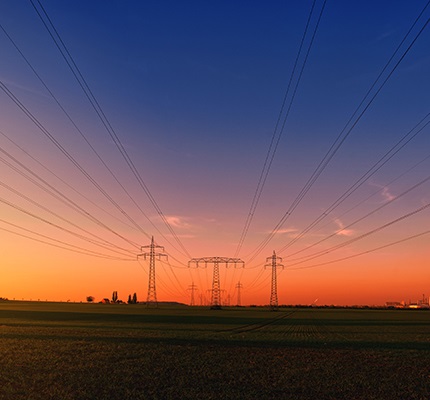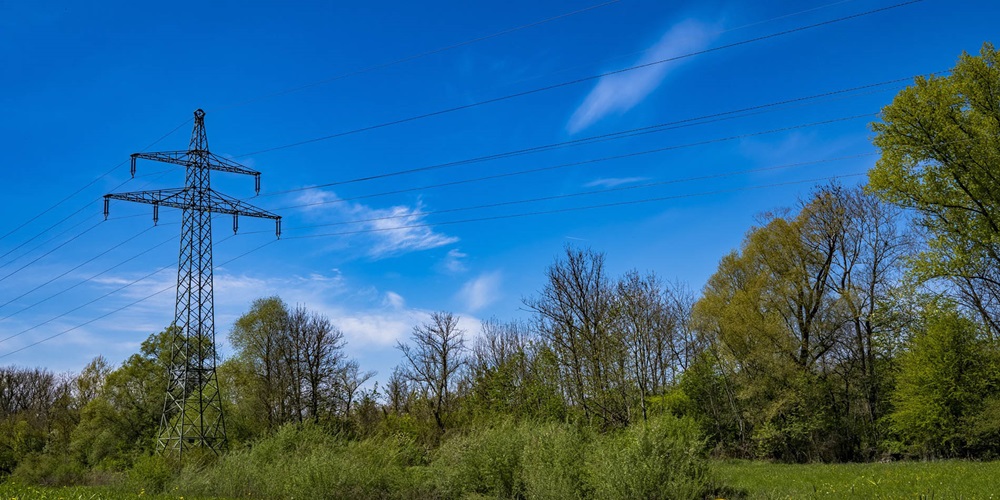
According to the Washington Post, the U.S. power grid is designed to handle the occasional maximum demand from extreme temperatures or sudden equipment failure and power outages; therefore, it typically runs well below maximum capacity.
Running a system prepared for the rare emergency is inefficient at best. The grid operates at about half its potential most of the time. Utilization can be as low as 30% in rural regions and up to 50%–70% in dense urban areas. True peak demand may occur on just a handful of days each year. Unused capacity costs money.
Electricity prices derive from the cost of building and maintaining poles, wires, substations and power plants—whether they’re being used to capacity or not.
After decades of stable demand, things are changing. Peak demand is expected to rise significantly over the next five years, driven by data centers, artificial intelligence and cloud computing. To keep up, utilities have begun investing in reinforcement of aging infrastructure and new generation. Customers are seeing higher bills as a result—particularly in Northern Virginia, Ohio and parts of the Midwest.
Researchers believe that the grid’s spare capacity could be part of the solution instead of part of the problem. This could be accomplished by encouraging large customers, such as data centers, to curtail demand during peak times. Using energy during off-peak hours should lower rates for everyone and may not require expansion of the grid.
A study from Duke University suggests that the existing U.S. grid could provide 100 gigawatts of additional power for data centers that reduce usage for short periods during peak demand events.
GridCARE, a California-based start-up, is trying out this theory. In conjunction with Portland General Electric, the company identified spare capacity to support new data centers without requiring major upgrades.
Google has similar plans in Indiana and Tennessee, promising that future data centers would reduce consumption during peak demand periods. During those times, they can shift computing tasks to facilities in other regions or rely on on-site backup generators.
However, some critics doubt this can scale easily. Electricity costs are only one consideration in where and how multibillion-dollar data centers operate. Saving a little on electric bills may not be enough to persuade them to change their schedules and practices. Relying on large customers to voluntarily reduce demand might require contracts and enforcement to ensure commitments are honored.
There’s also the issue of incentives for utilities to build more infrastructure because they earn regulated returns on capital investments rather than on operating efficiency. Thus, expansion, not optimization, benefits them.
Better use of spare grid capacity won’t solve all the problems. New generation will be needed and affordability and decarbonization must be addressed. Nevertheless, better use of the existing system is a start, and spare capacity is now viewed as an asset.
About The Author

Lori Lovely is an award-winning writer and editor in central Indiana. She writes on technical topics, heavy equipment, automotive, motorsports, energy, water and wastewater, animals, real estate, home improvement, gardening and more. Reach her at: [email protected]