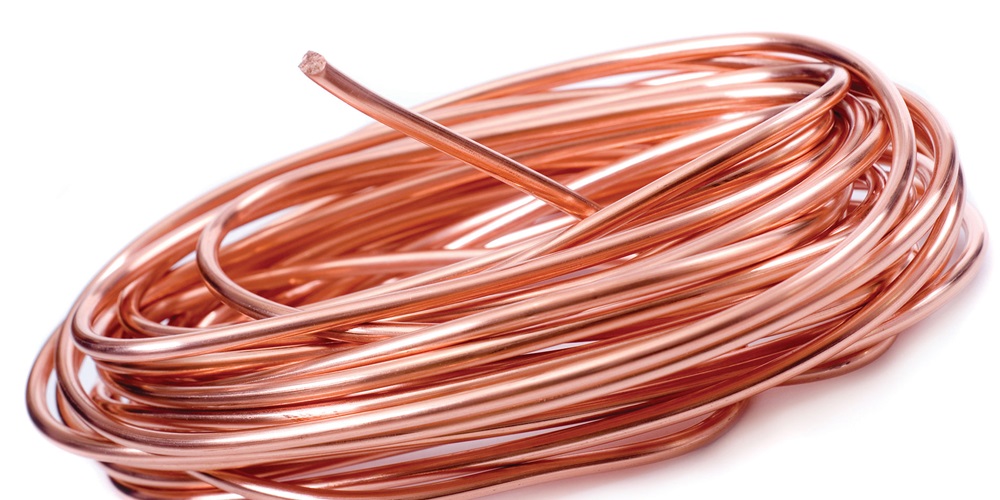
As the world’s economic focus centers on a new path of increased electrification, artificial intelligence (A.I.) infrastructure and energy transition, copper, once called “red gold,” is taking center stage as the commodity that many never see, but one every electrical contractor encounters.
Copper prices have edged above $13,000 per metric ton for the first time in history, reflecting intensifying demand and tightening supplies. As always with commodity prices, the underlying forces that push them up or down hinge on supply and demand.
As data-driven technologies expand, especially large-scale data centers supporting A.I. and cloud computing, the metal’s role as a foundational conductor of electricity has never been more essential. Data infrastructure requires massive amounts of copper wiring and cooling systems. Electric vehicles and renewable energy systems further ratchet up appetite for this essential industrial metal. Copper’s use in power grids, EV motors, battery systems and renewable generation makes it a linchpin in efforts to decarbonize the economy.
But while demand expectations skyrocket, production capacity has shown signs of strain. Several major mining operations have faced disruptions, and many existing facilities are operating at or above their design limits, making further expansion costly and slow.
Compounding the situation are geopolitical and trade pressures that have reshaped supply chains. Policy decisions affecting tariffs and regional trade flows have encouraged stockpiling and altered traditional movement patterns of refined copper. At the same time, inventories in key global warehouses have become imbalanced, creating pockets of scarcity that ripple through pricing mechanisms.
Analysts feel that prices may now be sustained at this level to justify investments in extraction and production of copper from new mining projects. The development cycle for large copper deposits is lengthy and capital-intensive, and without stronger price signals, producers may lack the incentive to expand. That delays supply relief even as demand projections continue to climb.
Copper’s price rise is not a one-off blip in the curve of pricing over time. It seems to signal more of a systemic shift in how the commodity is sourced and valued and the involvement required to bring copper to market. Copper’s price rise will induce much scrutiny in how the delicate balances of supply and demand unfold, now and into the future.
About The Author

ROMEO is a freelance writer based in Chesapeake, Va. He focuses on business and technology topics. Find him at www.JimRomeo.net.