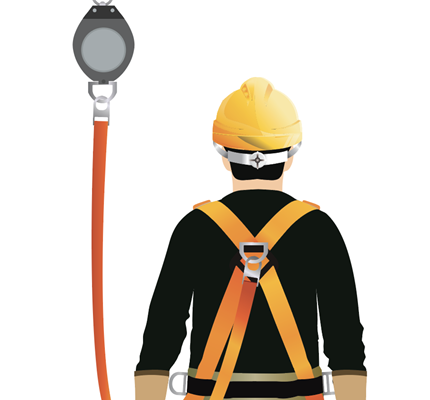
This column is focused on a new initiative OSHA is promoting. The agency introduced the Safety Champions Program in 2026 as a new voluntary, cooperative initiative designed to help employers strengthen workplace safety and health systems. The program represents a shift in OSHA’s broader strategy—from a primary focus on enforcement and compliance toward proactive risk management, continuous improvement and collaboration with employers. This effort is a direct reflection of the focus on “less regulation” and the more cooperative approach the administration is trying to foster.
At its core, the Safety Champions Program aims to prevent workplace injuries, illnesses and fatalities by guiding organizations in developing comprehensive safety and health programs. Rather than acting as a regulatory requirement, it functions as a structured framework or “blueprint” that organizations of all sizes can adopt to improve their safety culture and operational practices.
One of the program’s defining features is that it is voluntary and has a self-paced design. Employers can enroll at no cost and progress through the program according to their own timelines and organizational needs. This flexibility allows companies with varying levels of safety programs—from small businesses with minimal formal systems to large organizations with established programs—to participate and benefit.
What’s in the program?
The program is structured in three stages: introductory, intermediate and advanced. In the introductory phase, participants assess their current safety practices and begin aligning them with OSHA’s recommended standards. The intermediate phase focuses on implementing and documenting safety procedures. The advanced phase emphasizes continuous evaluation, improvement and integration of safety into overall business operations.
The Safety Champions Program consists of seven core elements derived from OSHA’s Recommended Practices for Safety and Health Programs. These elements serve as the foundation for building an effective safety management system: management leadership, worker participation, hazard identification and assessment, hazard prevention and control, education and training, program evaluation and improvement, and communication and coordination (including contractors and staffing agencies).
Together, these elements emphasize a holistic and integrated approach to workplace safety. For example, management leadership ensures that safety is prioritized at the organizational level, while worker participation encourages employees to actively contribute to hazard identification and solution development. Similarly, continuous evaluation and communication ensure that safety programs evolve and remain effective over time.
These elements are not much different than those in other OSHA programs or what many companies have already implemented. The difference is that they have been placed in one program to help administer them.
Another key component of the program is the availability of special government employees (SGEs)—experienced safety professionals who can provide guidance, mentorship and program assessments. You may remember this as “OSHA’s Safety Consultation Program” from years ago. Participants may request an SGE to review their progress at any stage; SGEs will offer feedback and help organizations identify areas for improvement. This collaborative aspect reinforces OSHA’s goal of supporting employers rather than solely regulating them.
Why participate?
While the program provides a strong framework for improving safety practices, participation does not guarantee regulatory compliance or immunity from OSHA inspections or citations. Instead, it is intended as a developmental tool to help organizations move beyond minimum compliance and toward a more proactive and preventive safety culture. Remember, OSHA standards are the minimum compliance standards for a given subject area. Most companies use them as guidelines for a more comprehensive program development focused on their specialty area.
The Safety Champions Program also reflects OSHA’s effort to modernize and expand its cooperative programs. It builds on earlier initiatives, such as the OSHA Challenge Program, but introduces greater flexibility, accessibility and alignment with current best practices. OSHA aims to increase participation, particularly among small and mid-sized businesses that may lack formal safety systems but want to improve.
From a broader perspective, the program highlights a significant philosophical shift in workplace safety policy. Instead of viewing safety solely as a compliance obligation, OSHA is encouraging organizations to treat it as a strategic priority that affects productivity, employee well-being and long-term business success.
STOCK.ADOBE.COM/ adragan
About The Author

KELLY, president of Kelly Consulting & Mediation Services, has worked with utility industry leaders on safety, labor relations and human resources for more than 30 years. Reach him at 540-686-0118 or [email protected].