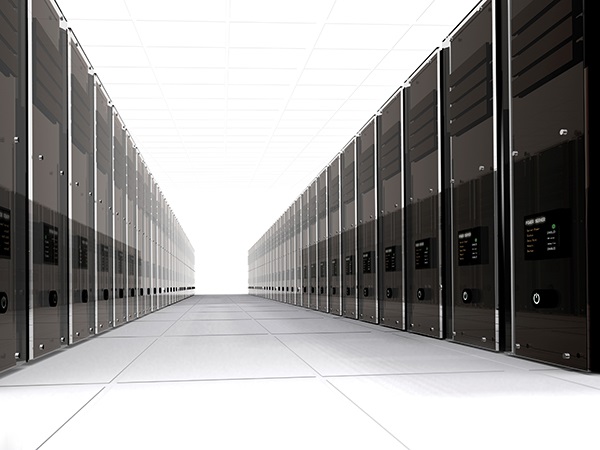
As artificial intelligence (A.I.) rapidly expands, so too does its appetite for electricity, pushing America’s power infrastructure closer to its breaking point. The proliferation of highly sophisticated A.I. systems and cloud-driven services has transformed data centers into some of the largest energy consumers in the country. According to recent projections, these facilities could account for nearly 9% of total U.S. electricity demand by 2030, creating mounting pressure on the nation’s already strained electric grid. This growing demand has far-reaching consequences, threatening the reliability of essential everyday services ranging from internet access and air conditioning to ATM networks.
At the forefront of research addressing this issue is Ayse Coskun, an engineering professor and director at Boston University’s Center for Information and Systems Engineering, as well as chief scientist at Emerald AI. Coskun and her team have examined the intersection of data centers and energy consumption, identifying critical ways to shift how these facilities interact with the power grid.
The research highlights a significant collision between two colossal infrastructures: the expansion of data centers and the limitations of the power grid. Traditionally, the development of data centers has focused on ramping up computing capabilities—adding more processing power, memory and storage—with little regard for the corresponding energy demands. This model of relentless computational growth without energy efficiency considerations is proving to be unsustainable as grid constraints intensify.
Coskun’s team proposed a different strategy: turning data centers into active participants in power management. By incorporating adaptive demand response policies, they demonstrated how these facilities could curb their energy use and contribute to maintaining grid stability. Their work introduced the concept of data centers transitioning from passive power consumers to intelligent actors that help balance electricity demand, particularly as A.I. workloads become more prevalent.
A key aspect of their research involved creating machine learning models capable of predicting power market bidding strategies for energy supply and reserve capacity. This allows individual data centers to dynamically adjust their energy consumption in real time, responding to grid conditions without sacrificing service performance. The team also designed a coordinated framework enabling data centers to collectively manage energy use across regions, providing an additional layer of flexibility and responsiveness to grid operators.
The research concludes that data centers can play a transformative role in the energy landscape. Rather than exacerbating power shortages, they can actively support grid stability while maintaining high computational performance. This dual focus on operational efficiency and sustainable energy use represents a critical step toward a more resilient and environmentally responsible digital infrastructure.
About The Author

ROMEO is a freelance writer based in Chesapeake, Va. He focuses on business and technology topics. Find him at www.JimRomeo.net.