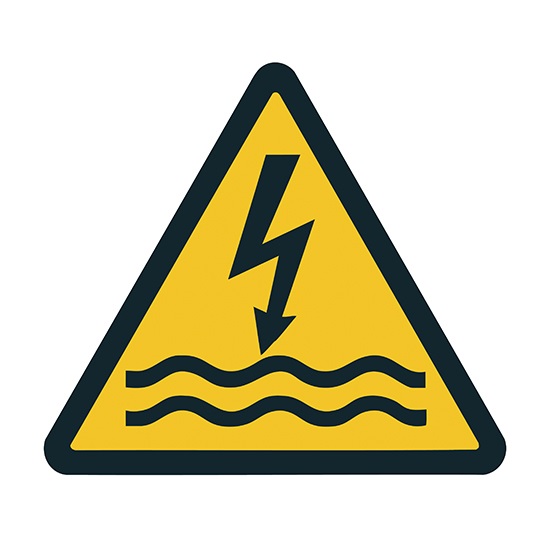
Electrical workers understand better than most that electricity and water are a dangerous combination. Wet conditions significantly increase the risk of shock, electrocution, arc flash and equipment failure. Electrical work performed in wet or moist environments requires heightened awareness, planning and controls.
According to the Occupational Safety and Health Administration, electrocution remains one of the leading causes of fatalities in construction and electrical work. Moisture plays a major role in these incidents because it lowers the body’s resistance and increases conductivity, allowing current to travel more easily through a worker’s body. When combined with damaged insulation, improper grounding or a lack of ground-fault protection, the results can be catastrophic.
These conditions increase risk
Water alone is not a particularly good conductor. However, water found on job sites is rarely pure. Rainwater, mud, concrete slurry, sweat and standing water almost always contain minerals and contaminants that enhance conductivity. Wet skin can reduce the body’s resistance by thousands of ohms, meaning a voltage that might cause only a minor shock under dry conditions can become fatal when moisture is present.
Wet conditions also accelerate equipment degradation. Extension cords, power tools, temporary wiring and connectors are more susceptible to insulation breakdown, corrosion and internal damage when exposed to moisture.
These hazards are not always visible and may only reveal themselves once equipment is energized.
Requirements and responsibilities
OSHA’s electrical standards require employers to protect workers from electrical hazards in all environments. One of the most critical requirements is the use of ground-fault circuit interrupters (GFCIs) on all 120V, single-phase, 15A and 20A receptacles used on construction sites.
However, GFCIs alone are not enough. Employers must ensure that tools and equipment are listed and labeled for wet or damp locations when used outdoors or in exposed environments. Temporary wiring must be installed properly, protected from physical damage and elevated when necessary to prevent contact with standing water.
Accounting for proper protection
Proper grounding and bonding are essential defenses against electrical hazards in general, but particularly in wet environments. Ground faults are among the most common electrical faults and remain a leading cause of electrical injuries and fatalities.
Electrical systems and equipment must have an effective ground-fault current path to allow overcurrent protective devices to operate as designed. Workers should never remove grounding prongs, bypass grounding conductors or use damaged cords and plugs.
Safe work in wet conditions
Whenever possible, electrical work should be postponed during severe weather or when excessive moisture is present. When work must proceed, additional controls should be implemented. Work areas should be kept as dry as possible using drainage, platforms, insulating mats or barriers.
Training and recordkeeping
Training plays a vital role in preventing electrical incidents in wet conditions. Workers must understand how moisture affects electrical hazards, how to recognize unsafe conditions and when to stop work.
Wet conditions are an unavoidable reality in electrical work, but injuries and fatalities do not have to be. By understanding how moisture increases electrical hazards and reinforcing safe work practices, employers and workers can significantly reduce risk.
stock.adobe.com/Mamon
About The Author

O’CONNOR is safety and regulatory affairs manager for Intec, a safety consulting, training and publishing firm. Reach him at [email protected].