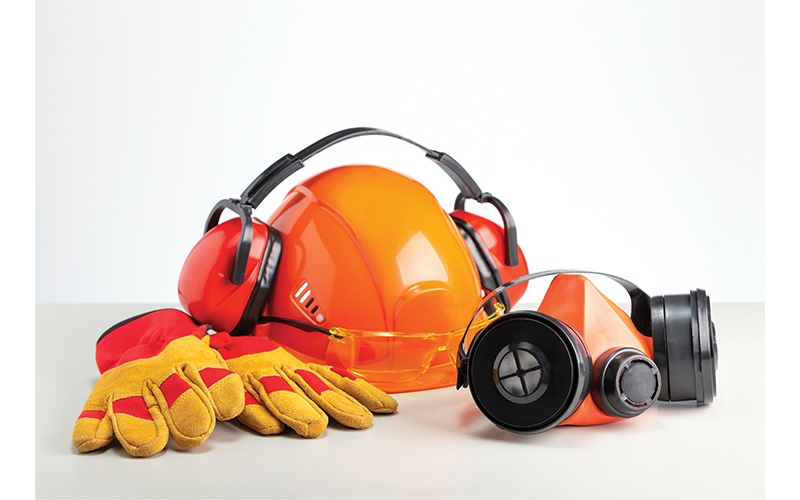
Personal protective equipment and safety technology have advanced tremendously in recent years—far beyond traditional hard hats, safety glasses and face shields. These days, we're even beyond the specially rated versions of those items to protect against electrical exposure to shock and arc flash.
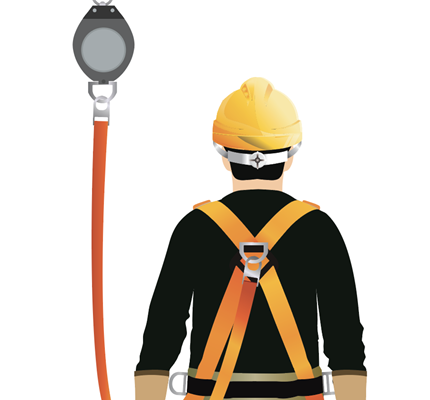
Among the many newer products available, proximity sensors and high-visibility garments help safeguard contractors working near mobile equipment and vehicles or in areas of low illumination.Smart lanyards help provide fall protection in aerial lifts; biometrics monitor worker physiology; atmospheric monitoring provides respiratory protection; and cooling materials, wicking fabrics and high-tech hard hats offer ventilation in high-heat applications. The industry has never been more determined or able to keep electrical contractors safe from the broad range of hazards and potentially dangerous settings their work involves.
But huge advancements in safety technology have also brought an unexpected and unintended issue: a growing number of contractors rely solely on protective equipment and forget that safety is, ultimately, their responsibility.
In the following roundtable, three safety experts discuss the emerging issue of technology and accountability, how some modern safety technology is working to address this problem and how contractors can best balance the benefits of modern technology with the need to take responsibility for their personal safety.
In your opinion, has the growth of so many effective PPE options led some contractors to become more lax about safety?
Randy Doerfler, vice president of safety at Service Electric Co., Chattanooga, Tenn.: There’s a fine line between trusting safety equipment to function properly and becoming complacent about personal safety, and it’s critical to remind contractors who are becoming more lax about the role PPE plays in our work. PPE serves as a crucial barrier, reducing the severity and occurrence of injuries in high-hazard environments, but it doesn’t eliminate risk entirely. We’re all human and mistakes happen; we can overlook steps, become desensitized to dangers, or underestimate hazards.
Likewise, PPE and safety technology, though essential, aren’t infallible—they can fail or malfunction. Since risk is inherent in our work, the objective isn’t to completely eliminate mistakes, but to fail safely and ensure that when accidents happen, PPE minimizes the harm. Respecting the work environment and maintaining our equipment is critical, and PPE exists because the risks are real. We can’t always eliminate hazards entirely, so we must safeguard workers who operate within hazardous zones. By staying vigilant, taking responsibility for our personal safety through the many PPE options available and using that PPE correctly, we increase the likelihood that everyone returns home safely at the end of the day.
Mike Starner, executive director of outside line safety at NECA: I haven’t necessarily found that all of the PPE options available have resulted in contractors becoming more lax about their safety. The fact is, they can now “dial in” the PPE that best matches their exposure with the most comfortable and best-fitting technology, especially for women contractors. Cost is one of the biggest factors, however, as innovation doesn’t come cheap.
Wes Wheeler, executive director of safety at NECA: Unfortunately, there’s been a trend toward employees and employers placing far too much reliance on the PPE and protective systems that are available. By having these available, many don’t follow the practice stated in the hierarchy of controls and therefore aren’t working to eliminate the hazard as a first priority.
How might modern forms of PPE result in contractors taking less responsibility for their safety?
Doerfler: All tools, equipment and PPE require regular inspections and maintenance to ensure that they work as intended. Some items demand third-party or laboratory testing, while others must be sent out for troubleshooting, creating potential budget constraints and delays. In industries where time is money, it can be tempting to overlook the importance of essential PPE requirements to keep schedules on track, but safety should never be sacrificed for convenience. Recognizing this, our parent company, Quanta Services, invested in SafetyTest, a dedicated distribution and testing facility. This program strengthens our Rubber Protective Equipment program and emphasizes the importance of rigorous testing. This commitment ensures that employees are protected by thoroughly evaluated safeguards, reinforcing workplace safety and reliability.
Starner: From my experience, trusting the PPE is a major hurdle we must get over with new workers in particular, especially those working at heights and with energized lines. The main concern here is ensuring that workers understand how to use, inspect and care for their PPE.
Wheeler: One major example would be contractors relying too heavily on voltage-sensing devices instead of personally verifying the absence of voltage using proper, certified test instruments for that purpose.

Technology and electrical construction are deeply interconnected. Technology depends on reliable power, and power depends on the hardworking professionals in the transmission and distribution industry.
—Randy Doerfler, vice president of safety at Service Electric Co.
What is an example of how certain PPE has been designed to counteract contractors who take less responsibility for their safety? Do you encourage the use of technology with extra measures of safety built in?
Doerfler: Multipurpose PPE can be cost-effective and improve compliance by reducing the number of devices needed to perform a task, but safety technology should never lead to complacency. These tools should reinforce personal responsibility, not replace it. While some advancements claim to improve safety, employers must evaluate whether all integrated features align with real-world job site needs. Data-driven assessments help ensure that safety tools genuinely enhance worker protection without introducing unintended risks or creating dependencies. To help support that goal, for example, our firm offers a personal voltage detector, an essential safety device designed to detect electrical fields and energized equipment. This compact tool provides early warnings to help linemen and first responders avoid accidental contact with high-voltage sources. While not all contractors equip their crew members with this technology, Service Electric goes beyond industry standards by providing an additional layer of protection, reducing the risk of injury in hazardous environments.
Starner: In safety, the best controls are direct controls, meaning that they work even if the human messes up. We encourage the use of direct controls—not necessarily because workers aren’t taking responsibility for their safety, but because they’re human beings and are subject to error, risk tolerance and overconfidence. This is different from not taking responsibility.
Wheeler: Wearable technology has erupted as a savior for safety, but it can have a negative effect when it’s relied on as a primary protocol. Accountability for individuals and employers must be a priority, and other concerns include being dependent on technology without proper verification of the working status of the equipment. This can create a false sense of security that leads to complacency.
What are some top tips for contractors when it comes to the issue of technology and accountability?
Doerfler: Stay curious—but stay cautious. The construction industry presents a wide range of hazards, and while safety must remain the top priority, staying open to new solutions allows us to continuously learn and improve. Our frontline workers are the backbone of every project, and investing in high-quality resources for them not only enhances job performance but ensures the safety and well-being of every person on-site.
Starner: We recommend matching any protective equipment to the hazard and exposure and including workers in defining the problem and developing the solution. Workers are the subject matter experts in this area and can tell you what works, what doesn’t and why some PPE isn’t useful, comfortable or appropriate for the task. Also, it’s important to work with vendors to “try out” new technology and make sure that it’s suitable for various environments (e.g., electrical, gaseous, confined, etc.).
Wheeler: While manufacturers and the industry continue to develop equipment to enhance safety, using this equipment as supplemental protection and not as the primary or only safety systems in place represents the best use of these innovations. Reminding employees of technology limitations will also help ensure that workers remain vigilant in their activities and follow all proper protocols.
How else can contractors balance the benefits of modern safety technology with the need for accountability and personal responsibility?
Doerfler: Technology and electrical construction are deeply interconnected. Technology depends on reliable power, and power depends on the hardworking professionals in the transmission and distribution industry. While technological advancements offer valuable safety improvements, implementation must be thoughtful. Contractors must recognize both the benefits and the potential new risks that technology introduces. True progress happens when we leverage technology to improve safety while preserving a culture of accountability, ensuring that workers stay vigilant in the face of evolving hazards.
Starner: Of the many safety-related products that already exist and the others coming to market, some will solve a problem you have in miraculous ways, while others will impede it or add complexity. It’s important to apply the hierarchy of safety controls (with an emphasis on direct controls) to the situation, properly match PPE to the specific hazard and exposure, and include workers in the solution. In addition, you shouldn’t let the cost of advanced PPE discourage you, especially as you consider the cost and impact of serious injuries and fatalities to your workers and the organization.
Wheeler: With all of the new innovations being developed and made available for protection, being aware of the limitations of this protection is key to ensuring safety. Making sure that any new technology implemented is tried and true and has a historical track record of successful operation will continue to remind employees of the accountability needed to truly provide the best overall protection and safe outcomes.
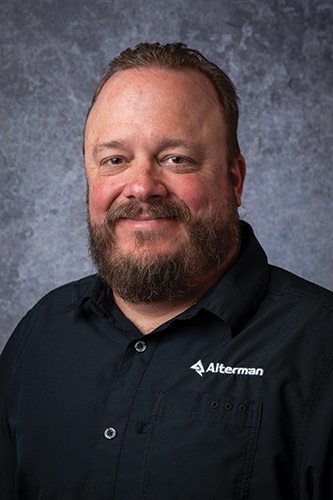
Randy Doerfler | SERGEY/STOCK.ADOBE.COM
About The Author

BLOOM is a 25-year veteran of the lighting and electrical products industry. Reach her at [email protected].