A new report from the U.S. Energy Information Administration found in 2018 (the most recent data available), U.S. electric utility power interruptions totaled an average of 5.8 hours per customer. The EIA came to this figure using data from utilities that represent 94% of the nation’s 154 million electric customers reported to the EIA.
“Interruptions in electricity service vary in frequency and duration across the nearly 3,000 electric distribution systems in the United States,” said the report. “Power interruptions are caused by many factors, including weather, vegetation patterns, and utility practices.”
The reliability of electric utilities is generally measured using the System Average Interruption Duration Index (SAIDI) metric, which is the total amount of time an average customer experiences a nonmomentary interruption during a year. For utilities that report metrics using IEEE standards, non-momentary interruptions are defined as interruptions lasting longer than five minutes.
SAIDI data in recent years has varied. In 2013, it averaged about 210 minutes per customer per year. In 2014, that number was about the same. In 2015, it declined a bit to just under 200 minutes. In 2016, it increased to about 250 minutes, in 2017 it spiked to about 475 minutes and then fell back to 345 minutes (5.8 hours) in 2018.
Utilities are also able to report SAIDI data to EIA after removing “the effects of major events.” Since EIA began collecting reliability data in 2013, SAIDI values have been consistently under two hours per customer (108 minutes to 118 minutes) when major events have been removed.
However, “The past two years of data show that interruptions classified as major events were the primary causes of increases in total SAIDI,” said the report.
In 2017, SAIDI data that included major events was the highest since EIA began collecting reliability data in 2013, doubling from the levels of previous years.
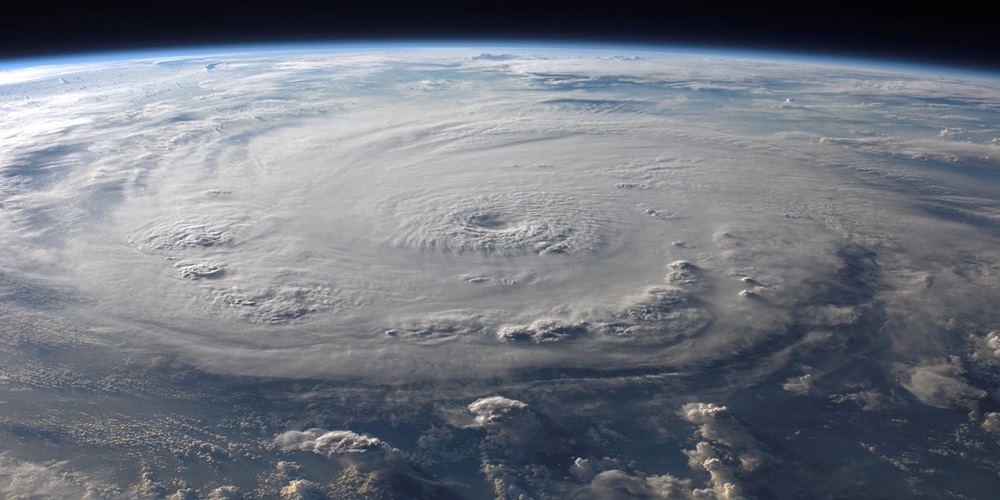
“The increase was a result, in part, of high levels of hurricanes, wildfires, and severe storms,” said the report.
From 2013 to 2018, Arizona, the District of Columbia, Iowa, Nevada and North Dakota had the lowest cumulative SAIDI (ranging from 58 minutes to 165 minutes), while Maine, North Carolina, South Carolina, Vermont, and West Virginia had the highest cumulative SAIDI (ranging from 10 hours to 16 hours).
“In each of these states, the high SAIDI values were caused by major events such as winter storms or hurricanes,” said the report.
About The Author

ATKINSON has been a full-time business magazine writer since 1976. Contact him at [email protected].