You don’t normally expect high school students to devise an innovation that could be a major industry disruptor, but that is what three students at Oak Park and River Forest High School outside of Chicago have achieved.
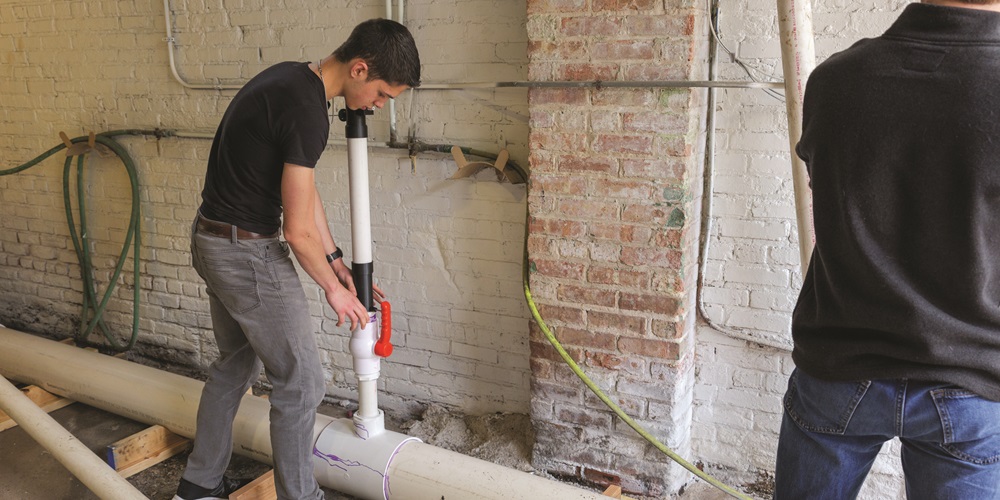
On May 8, 2026, seniors Isaiah Ruehle-May and Thomas Milinovich and junior Italian exchange student Lorenzo Garavaglia successfully tested a prototype of their induced current cathodic protection (ICCP) system, which already has a U.S. patent.
The results speak for themselves. The 30-minute test produced three times the expected output wattage.
Metal pipes rust and corrode over time, and cathodic protection is the process that stops that from occurring. In urban areas, the local electric utility will run current through pipes, which stops rusting.
But what about rural and remote locations, where the utility might be hundreds of miles away? That approach is less feasible due to the cost of running cable that far out. Plus, consider the energy loss over that distance.
The students’ turbine-induced ICCP system generates power on-site and is capable of long-distance, low-cost protection.
“This could protect about 10 miles of 8-inch pipeline,” Milinovich said. “When scaled up to a normal oil diameter of about 24–32 inches, it would be able to protect the same 10 miles of the larger pipe because it can generate more power.”
On May 8, the students arrived at the River Forest, Ill., Public Works Department where staff there helped them connect the ICCP prototype to a water hydrant. After it was connected, they tested it for a half hour at several flow rates—from 150 gallons of water per minute up to 425 gallons, where it achieved a maximum 12W of power.
Their teacher, Ryan VenHorst, said this was a “pretty ambitious” project. “It’s the capstone project for the engineering branch of our technology and engineering department,” he said. “The work on the idea was already developed prior to the course, but in making something that’s testable, they’ve been working on it.”
With graduation at the end of May, Ruehle-May will head off to Iowa State, while Milinovich will attend Lafayette University in Easton, Pa.
“I’m definitely going to keep pursuing this in college,” Ruehle-May said. “Now that I have a protype that has been tested, it might help me build a full 32-inch model.”
About The Author
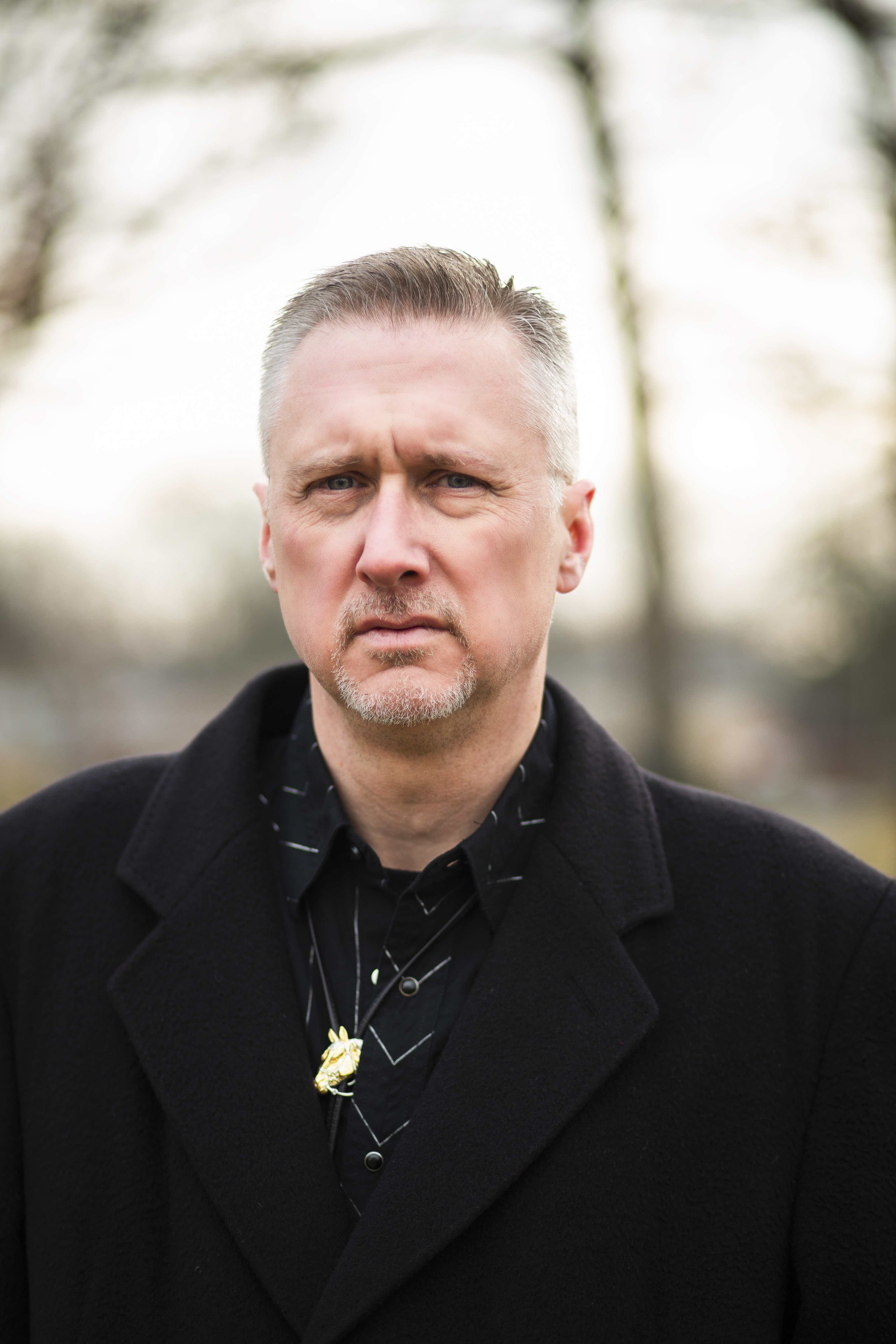
VOSS is a freelance writer based in the Chicago area and has worked extensively in the low- and high-voltage areas of the electrical industry. Contact him at [email protected].