Contractors are starting to opt for zero-emission generators on job sites, as some states clamp down on gas-powered equipment—and as the return on investment for zero becomes increasingly more favorable.
Indeed, the zero-gas generator market, valued at $1.2 billion in 2024, is projected to reach $3.5 billion by 2034 at a compound annual growth rate of 11.5%, according to Emergen Research. Drivers include complying with regulatory mandates while also enhancing operational efficiency, as advancements in technology are making zero-gas generators more efficient and cost-effective.
“The integration of renewable energy sources, such as solar and wind, with zero gas generation systems is becoming more prevalent, providing a dual benefit of energy generation and emissions reduction,” according to the report. “As industries increasingly prioritize sustainability, the demand for zero gas generators is expected to surge, reflecting a broader trend towards decarbonization across various sectors.”
A number of states, including California and New York, have enacted laws banning or restricting gas-powered generators and are financially incentivizing the use of solar-powered generators and battery systems.
In California, the Eco Community Alliance, as part of its mission to bring clean air, clean water and clean energy to underserved communities, worked to include zero-emission generators made by Instagrid, Latham, N.Y., in the state’s Carl Moyer subsidy program, said Jeffrey Mayes, CEO at Druven, a Los Angeles-based advocacy firm and an ECA founding member.
While contractors and others won’t be able to buy new gas-powered generators until 2028, existing gas-powered generators can continue to be used until the end of their lives, Mayes said.
“So how do you encourage people to replace their gas-powered generators that are still functioning? The idea behind our efforts was to have a program in place to offset the cost of acquiring new zero-emissions generators, encouraging people to replace their gas-powered generators with them,” he said.
The Carl Moyer Memorial Air Quality Standards Attainment Program is a scrap-and-replace program, meaning that a gas-powered generator gets scrapped and is replaced by a zero-emissions generator, with a subsidy of up to 85% of the cost, Mayes said. There is a formal process to submit the request for the reimbursement with one of the state’s air quality management districts.
“It requires some paperwork, so it’s mostly for those that are acquiring multiple units,” he said.
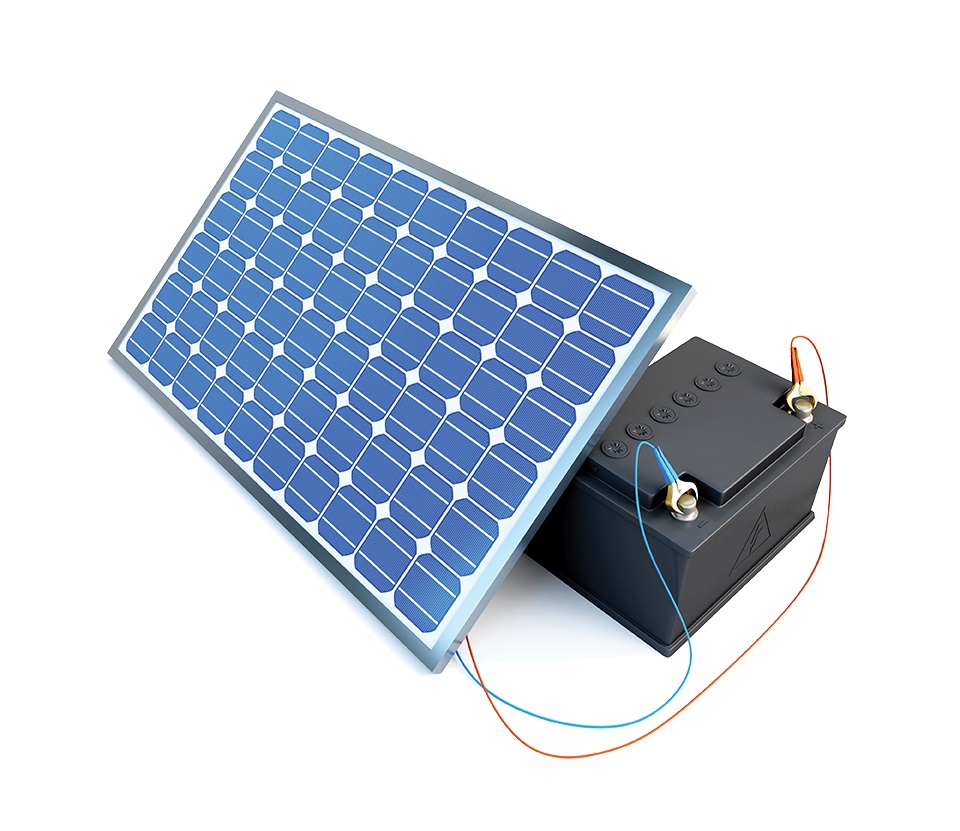
Instagrid’s zero-emission generator is powered by a battery. Its design and software allows the output to be sufficiently powerful for contractors to use the generator to power an electric jackhammer, electric drills or other electrical equipment for commercial use, Mayes said. Depending on the use, the power can last a few hours to a day, and then gets recharged via an electrical outlet, much like an electric vehicle. It also weighs less than 50 pounds, so it’s easy to transport and use.
The ECA, as part of its mission, in particular wants to reach communities whose people work with gas-powered generators and are exposed to harmful emissions, he said.
“It’s really a value for them to start switching to zero-emissions generators,” Mayes said.
The organization is seeing a lot of interest from early adopters in these types of generators as it still makes sense because of zero fossil fuel emissions, he said.
“These types of generators also have zero noise, so it cuts down on noise pollution —a jackhammer is going to make enough noise by itself, so you don’t need to have the noise of a gas-powered generator on top of that,” Mayes said. “There is also a return on investment because you don’t have to buy gas and the cost of electricity is normally quite a bit less. There’s also no moving parts, so the cost of maintenance is less than that of a small gas engine.”
More contractors will likely start opting for zero-emission generators, particularly as their ROI increases as technology advances, he said.
“Many states like California set standards in the law, which, in turn, drive innovation,” Mayes said. “In this case, the technology for battery-powered equipment to get more energy out of batteries is now growing so quickly that in five years, we’re going to see the market increase substantially across the country.”
About The Author

KUEHNER-HEBERT is a freelance writer based in Running Springs, Calif. She has more than three decades of journalism experience. Reach her at [email protected].