You're reading an older article from ELECTRICAL CONTRACTOR. Some content, such as code-related information, may be outdated. Visit our homepage to view the most up-to-date articles.
Retirement planning is complicated, with many risks and legal pitfalls. It is worth investing time and money with a financial adviser who specializes in retirement. A little preparation will help you get ready for your first meeting and result in a plan that fits your expectations and goals.
Selecting your adviser
Choosing a professional adviser is a very personal decision. You will be trusting this individual with sensitive information about your financial assets and relying on his or her expertise and ability to suggest options that fit your goals. Regardless of how knowledgeable your adviser is, you also need to find someone who will support you as you make decisions that push emotional buttons. Make sure that your adviser is certified, has not been disciplined by any professional board or licensure organization, and will provide two or three references from long-term clients. Then, schedule a consultation, and make sure you are comfortable with the adviser’s credentials, ability to explain issues, and sincere interest in creating an individualized plan.
Financial assets and liabilities
A professional retirement adviser needs current information about your financial assets, so gather the most recent statements for retirement accounts [employer pension, 401(k), IRA], other financial holdings (savings accounts, certificates of deposit, money market funds, stocks and bonds, stock options, annuities), and income projections, including Social Security and possible earnings from post-retirement employment. If you are expecting an inheritance, include an estimate of its value.
Compile the basic information and cash values for your insurance policies, real estate with estimated equity, and appraisals for personal property such as jewelry that could be sold if you need additional cash. This list will include buy-sell agreements and succession-plan documents for any business in which you hold an ownership share.
List your debts and other liabilities, including obligations to other family members. Will you be paying for a grandchild’s college tuition or other training program? Are you still making mortgage or car loan payments? Will you sell your business on an installment or land contract basis? When will these debts be fully paid? Do you expect to acquire additional debt in the future?
Lifestyle and goals
Your adviser will also ask about your goals and lifestyle projections during your last years. Do you expect to stay in your current residence, and, if so, what upgrades or retrofitting will be necessary? If not, where do you expect to live, and will the move generate additional cash? How will you fund your healthcare program in addition to Medicare? What activities are important to you—travel, hobbies, social events, education? Will you be living alone or with relatives or friends? At some point in the future, do you expect to enter a retirement community with available long-term care?
Knowing how, where and with whom you expect to be living is essential to forming an accurate financial plan. Most retirees find that they spend more than expected and are unprepared for a crisis that might wipe out their financial security. Your adviser can guide you toward a more realistic plan that fits your available funds.
What if the equation doesn’t work?
The sooner you meet with a financial adviser to ascertain whether you can fund and enjoy your desired lifestyle, the more prepared you will be to adjust for deficiencies. For example, the assumption that retirees will spend less because expenses continue to decrease (also known as “multiple spending levels”) doesn’t allow for unexpected medical expenses or changes in taxation laws that actually increase expenses.
A qualified professional can guide you toward more realistic goals and suggest adjustments to your spending. For example, you may need to set a stricter budget now to save more for retirement. You may decide to “partially” retire and continue earning income for several more years or even permanently. You might want to start a small business to generate income from a current hobby or interest. Or, you may decide to move to a different geographic area with lower living expenses or share living space with relatives or friends.
Flexibility—and the willingness to make small adjustments—can make the difference between enjoying retirement and suffering from lack of planning. Setting a budget and sticking to it can often close the gap between income and expenses. Track expenses carefully and make small changes, such as having dinner out less frequently or using the library instead of buying books. Temporarily returning to work or selling an asset can also cover shortfalls. These adjustments are relatively painless.
Most important, look for activities that don’t cost anything. Spending time with the people who matter most is a gift, and taking the dog to the park is good for your health and your relationship with your pet. The best things in life really are free, and they have no effect on your financial security in retirement.
About The Author
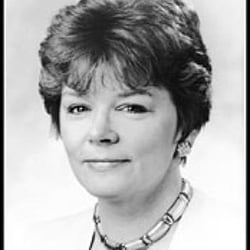
Denise Norberg-Johnson is a former subcontractor and past president of two national construction associations. She may be reached at [email protected].