According to a recent analysis by PwC, electrical contractors may have a substantial opportunity the rest of this decade and beyond for work related to electrifying transportation.
PwC’s analysis shows the electric vehicle charging market will likely need to grow tenfold by 2030 to meet the needs of around 27 million vehicles by 2030, and possibly as many as 92 million by 2040. In raw numbers, that will mean an increase of 4 million charge points today to around 35 million by 2030. Single-family and multifamily residential segments will account for about 80% of those
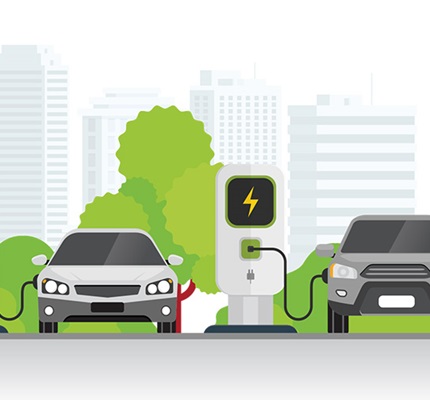
But don’t forget the vehicles on the road traveling from Point A to Point B, sometimes cross multiple states. The challenge for multiple stakeholders, including electrical contractors, is to come together to build a national charging network, also known as “on-the-go charging,” that can meet the needs of all those forthcoming EVs and their drivers no matter where they are—at home or on the road.
Another key number is $100 billion—the market growth of electric vehicle supply equipment (EVSE) from $7 billion today to that mammoth number by 2040. True, there has been a spike in the number of EVSE startups in recent years, with acquisitions by major energy companies and firms such as Blink Charging, Bowie, Md. But that would suggest there is ample opportunity for electrical contractors to acquire a piece of that $100 billion pie.
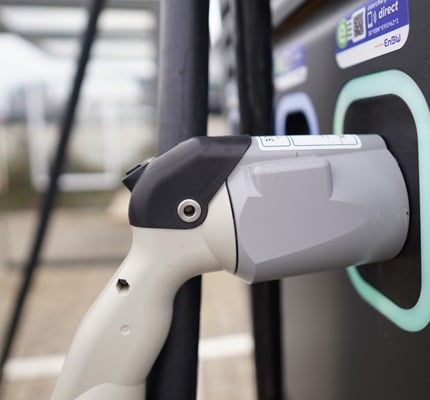
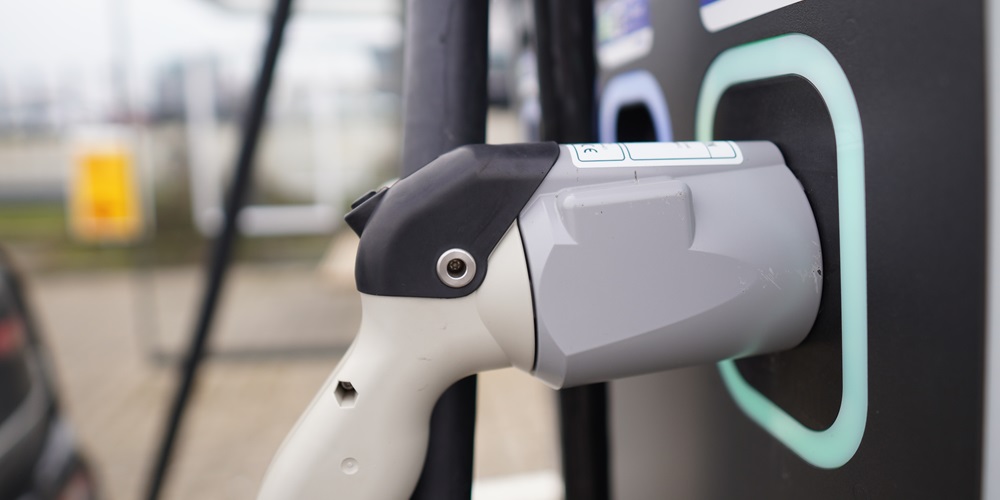
EV charging segments have different needs, the analysis said. For example, a single-family residential unit uses a Level 2 charger with a wall box and mobile cable charger. A workplace or office unit uses a pedestal hardwired Level 2 charger, up to 9.6 kilowatts (kW). Public parking units usually use a Level 2 or 3 charger up to 50 kW. On-the-go units, or the kind that would be used in a national charging network, would require a pedestal hardwired Level 3 or Level 4 charger up to 150 kW or faster.
According to PwC’s analysis, as the EVSE market grows over the next two decades, so will firms in many areas, such as hardware developers and manufacturers, software products and services, charge point operators, and installation services.
“Currently a lower-margin business, we expect this channel will scale rapidly as public charging infrastructure expands, especially as the governmental funding disburses,” according to the report. “Installation businesses should reach a tipping point as rates of new installs diminish and are eclipsed by a rising demand for retrofitting older built environments.”
To that end, PwC recommends industry participants, such as electrical contractors, be focused on several areas of the market as 2026 unfolds, including gaining a deeper understanding of customer needs and products and services requirements and how they can change. Being realistic about EVSE market economics is also key; an investment will likely be required with long-term returns. That means a contractor entering the market need to have patience, cashflow and risk tolerance.
About The Author

VOSS is a freelance writer based in the Chicago area and has worked extensively in the low- and high-voltage areas of the electrical industry. Contact him at [email protected].