The 2026 National Electrical Code delivers a broad set of revisions to Chapter 4, which governs equipment for general use. For electrical contractors, engineers and inspectors, these changes touch everything from how switches and receptacles are classified and installed to motor circuit calculations, battery system requirements and high-voltage equipment. Here is a look at the most consequential updates spanning articles 400 through 495 and what they mean on the job.
Articles 404 and 406 reorganized
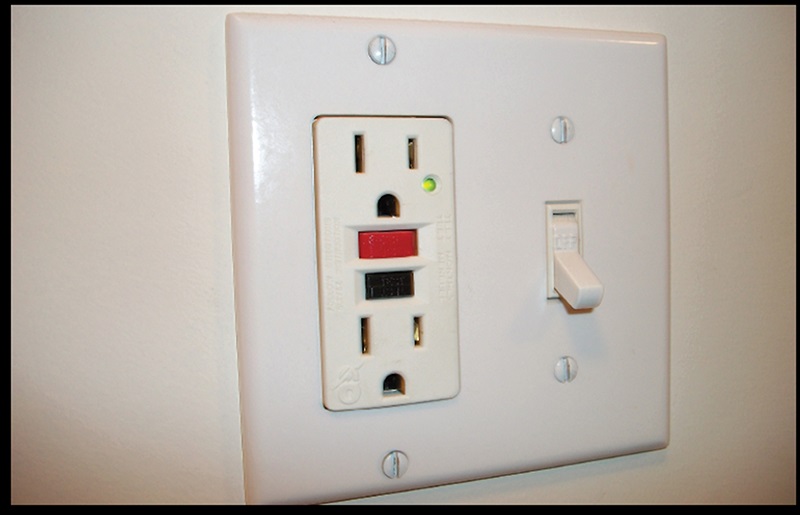
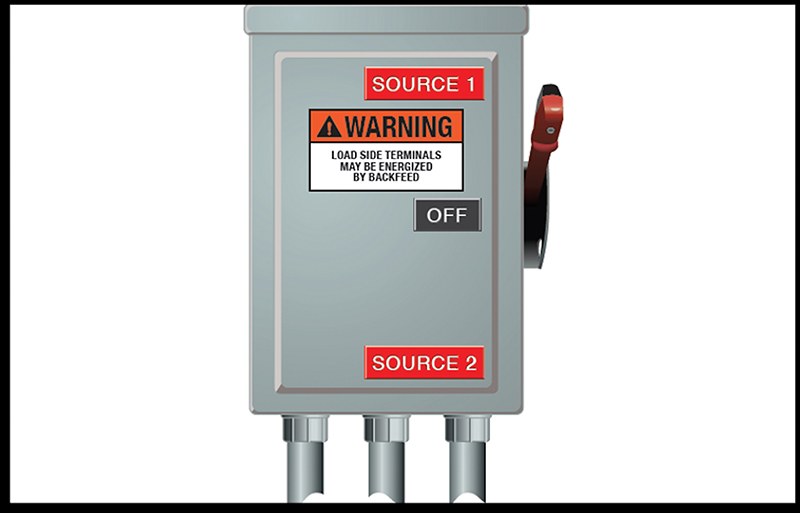
One of the most structurally significant changes in Chapter 4 is the redistribution of switch requirements between articles 404 and 406. Wiring-device-type switches (snap switches, dimmers and electronic control switches) have been relocated from Article 404 into Article 406, which has been retitled “Wiring Devices.” Article 404 now covers only general-use switches, motor-circuit switches, isolating switches, pullout switches, circuit breakers functioning as switches and molded-case switches.
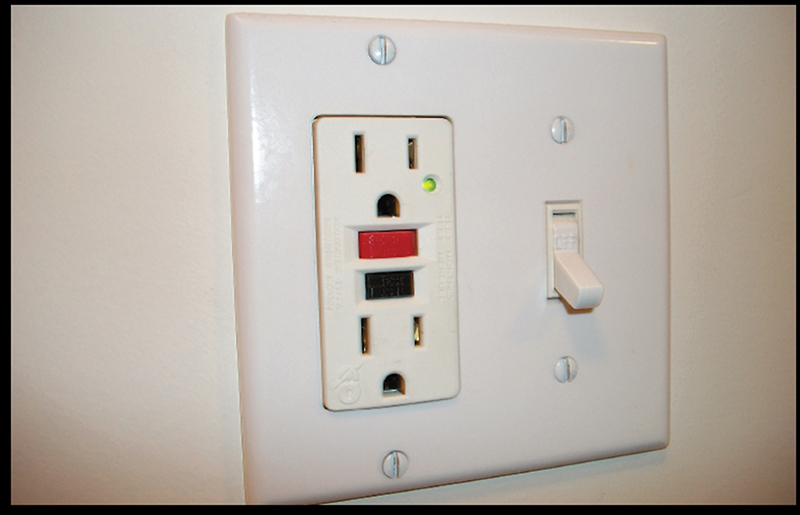
Article 406 has been reorganized into three parts to accommodate the expanded scope: Part I for general requirements applicable to receptacles and switches; Part II for receptacles, cord connectors and attachment plugs; and Part III for general-use snap switches, dimmers and electronic control switches. There is also a new definition of “wiring device” in Article 100.
This change is logical once understood, but it will create confusion during the transition for anyone who doesn’t know it happened. If you’re reaching for snap switch installation requirements under 404 and coming up empty, you’re in the right chapter, just the wrong article.
GFCI receptacle replacements
The 2026 NEC revises Section 406.12(D)(3) to provide a long-needed exception to GFCI protection requirements for receptacle replacements. Previously, when a non-GFCI receptacle was required to be replaced with GFCI protection, there was no code relief when the outlet box physically could not accommodate a GFCI-type device.
The revised language now allows an exception when all three of the following conditions exist: (1) The outlet box is too small to accept a GFCI receptacle, (2) An upstream outlet box will not permit one either and (3) A GFCI breaker cannot be installed.
This is a practical accommodation for field reality. Most experienced contractors have encountered exactly this situation on older residential work, and now there is clear code language to document the alternative.
 | ![Picture-2[Courtesy of Electrical Training Alliance]](/images/default-source/articles/september-2026/picture-2-courtesy-of-electrical-training-alliance.tmb-0.jpg?Culture=en&sfvrsn=9ac5a66e_1) | |
| Example of general-use safety switch/disconnect now covered by Article 404 | Example of wiring devices now covered by Article 406 |
Panelboard marking requirements expand
The short-circuit current rating requirements in Section 408.6 have been restructured and significantly expanded. In addition to existing requirements for marking available fault current and the date of calculation, the 2026 NEC adds a requirement to mark the short-circuit current rating of switchboards and panelboards at the nominal circuit voltage, based on the overcurrent protective devices (OCPDs) installed. Fault current calculations must now be documented and made available to those authorized to inspect, install or maintain the installation.
A new provision also addresses modifications: when changes to a system affect available fault current, OCPDs added or replaced must be rated for the available fault current at that point in the system.
These changes have direct implications for service upgrades, panel replacements and any modification to a distribution system. Field-marking practices will need to keep pace and so will documentation habits.
New motor designs enter Article 430
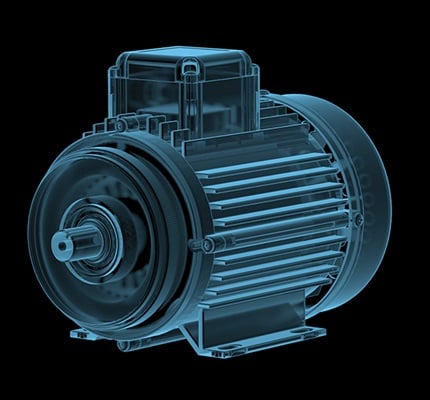
Two new motor designs, Design BE (brushless excitation) and Design CE (capacitor excitation), have been added throughout Article 430. These are energy-efficient designs developed in response to Department of Energy efficiency standards, and their key characteristic from a code standpoint is that reducing motor impedance to achieve efficiency increases locked rotor current. That has downstream effects on conductor sizing, overcurrent protection and protective device selection.
The 2026 NEC addresses BE and CE motors at multiple points. Section 430.22(H) provides requirements for sizing conductors supplying a single BE or CE motor. Exception No. 4 to Section 430.24 addresses conductors supplying multiple motors where one or more are BE or CE designs. New Table 430.251(C) provides locked rotor current ampacities, and Table 430.52 has been updated to include the appropriate percentages of full-load current for branch-circuit protective device sizing.
For contractors working in industrial environments, automated systems or commercial HVAC, these motors are already appearing on job sites. Having the right tables and sections before planning the review will matter.
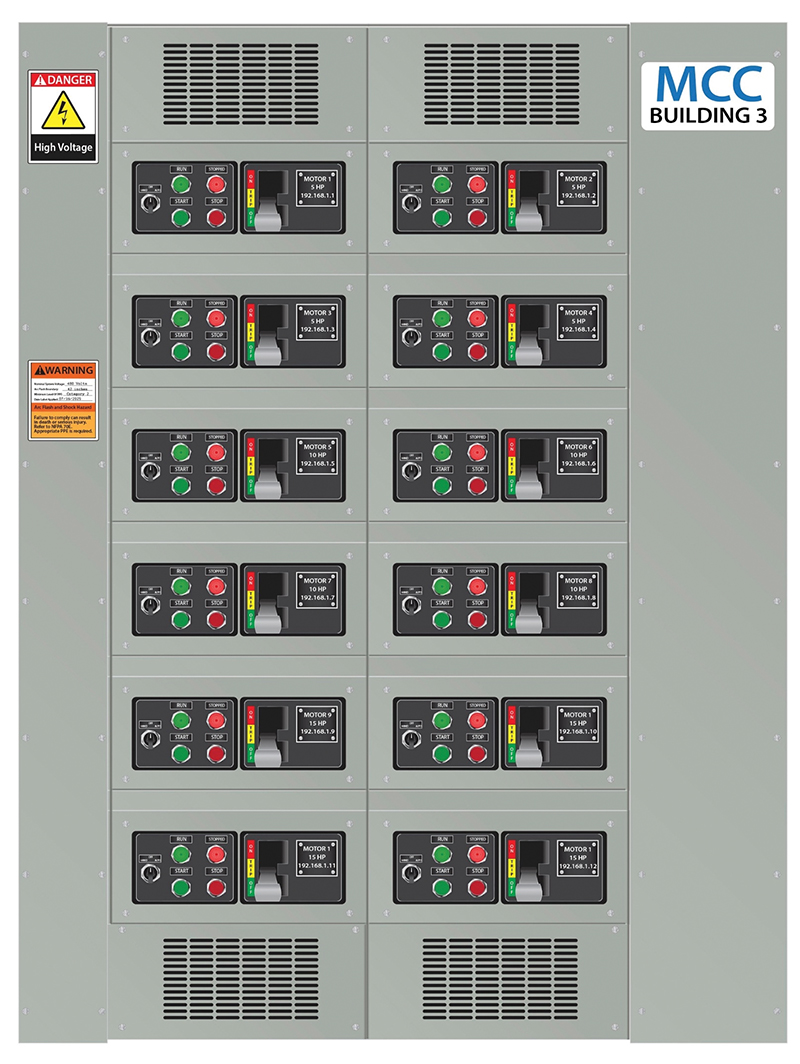
Section 430.98(A) adds another practical requirement: motor control centers must now be permanently marked identifying the location of the disconnecting means for all power to the MCC. The marking must be a permanent, durable label. Handwritten labels do not comply. It must also be plainly visible after installation.
Split-system HVAC gets a new identification requirement
A new Section 440.15 requires that in other than one- and two-family dwellings, the exterior disconnect of a split-system HVAC must be marked with the location of the indoor unit it serves. Section 110.22 already required marking the circuit source’s location, but the new requirement explicitly closes the loop on interior unit identification.
For commercial HVAC work, this means revisiting labeling practices at exterior disconnects. The intent is clear: AHJs and service technicians should be able to look at an exterior disconnect and know exactly which indoor unit it controls.
Overcharge control required, grounding rules clarified
Article 480 continues to evolve as battery storage installations become more common across residential, commercial and industrial occupancies. The 2026 edition removes the word “standby” from the article title and now simply states “Stationary Batteries,” reflecting that the requirements apply to all stationary battery installations covered by the article, not only standby systems.
Two substantive changes stand out. New Section 480.14 mandates overcharge prevention provisions for all stationary battery systems. Overcharging shortens battery life and creates risk of thermal runaway and fire; the NEC previously contained no explicit requirement for this protection. The addition is consistent with the broader direction of Article 706 governing energy storage systems.
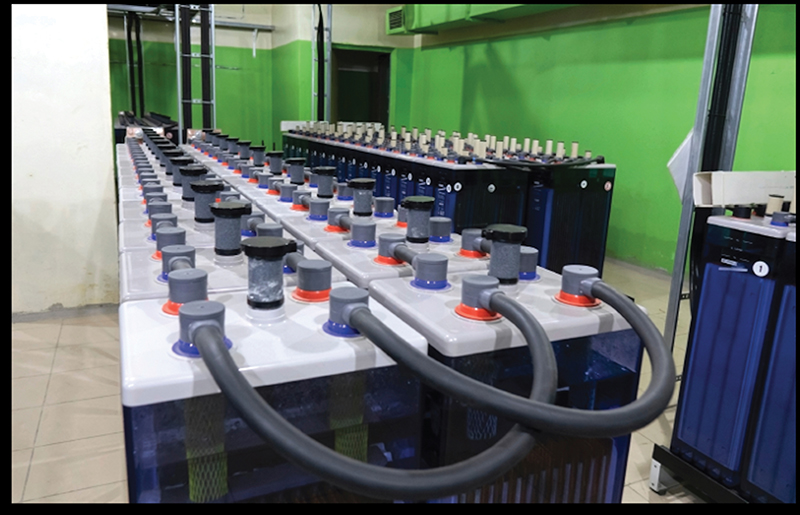
Section 480.8 has been retitled from “Insulation of Batteries” to “Grounding of Battery Stands and Conductive Cases,” with revised language more precisely describing which elements of the support structure and enclosure must be bonded and grounded. The previous title was acknowledged to be obsolete, and the new requirements bring the article into alignment with current installation practice.
Taken together, the 2026 NEC’s Chapter 4 changes reflect a code catching up with an evolving industry. The NEC now better addresses more energy-efficient motors, expanding battery storage and tighter GFCI expectations. Structural reorganization makes it more logically navigable even as it grows in scope. Electrical contractors who begin working through these changes now will be better positioned to adapt their practices, coordinate with plan reviewers and avoid rework when the 2026 code reaches their jurisdiction.
Electrical training alliance, IAEI
About The Author

Kyle Krueger
Executive Director of Codes and StandardsKRUEGER is NECA’s executive director of codes and standards. He has worked in the electrical industry for over 25 years as an inside wireman, authority having jurisdiction and educator. Kyle currently represents NECA on the NEC Correlating Committee, Code-Making Panel 3, NFPA 72 Correlating Committee, NFPA’s Electrical Section Executive Board and the UL Electrical Council. Reach him at kkrueger@ necanet.org.