Multiple trends are converging to increase demand for fully electrified homes. This dynamic presents a challenge for customers and their providers. Utilities are responding with innovative solutions.
At the Trellis Impact 2026 conference in San Francisco June 23-25, utilities and vendors discussed innovation as a response to the challenges posed by climate change and the need to reduce carbon emissions. Among many topics, they addressed forward-thinking approaches to the growing demand for home electrical appliances.
Joel Ulloa, manager for vehicle grid integration for the California utility Pacific Gas & Electric Co. (PG&E), spoke directly to the growing popularity of electric vehicles in the state, noting that one quarter of the cars sold in PG&E's territory are EVs.
Additionally, more EV owners are installing Level 2 chargers in their home. According to Ulloa, the number is projected to more than triple in only four years, from 835,000 today to 3 million in 2030.
This presents a challenge for power delivery, since most EV owners charge their cars overnight, putting a strain on the grid. The utility needs to find ways to “smooth out the peaks” of overnight charging, Ulloa explained.
Furthermore, customers don’t want to spend a lot of time thinking about when they charge. On the contrary, they want to maximize savings on their utility bill.
“Customers don’t want to be energy traders,” Ulloa explained. “They do want to lower bills.”
Ulloa described one way PG&E is addressing this issue through so-called “managed charging.” A partnership with software provider WeaveGrid facilitates scheduling overnight charging to optimal, off-peak times, helping customers take advantage of lower rates and helping the utility lower stress on the grid.
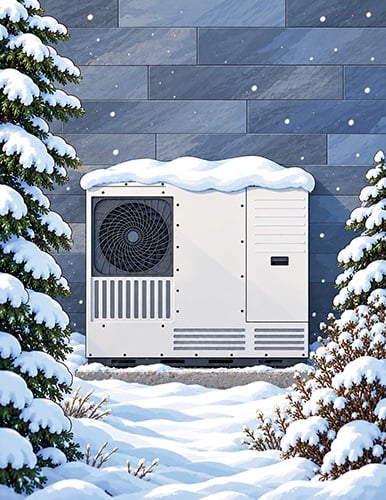
EV charging is not the only challenge posed by electrification. The growing popularity of photovoltaic solar rooftop panels, home batteries, water heaters and HVAC systems powered by energy-efficient heat pumps, and electrical stove tops and ovens is feeding a trend toward full home electrification. State and local building codes are also laying the foundation for this change.
Chris Morris is a Grid Architect for PG&E. At Trellis Impact, he discussed how the utility is trying to address this challenge by “meeting customers where they are at.” He noted, like his colleague, this is “in the pocketbook.”
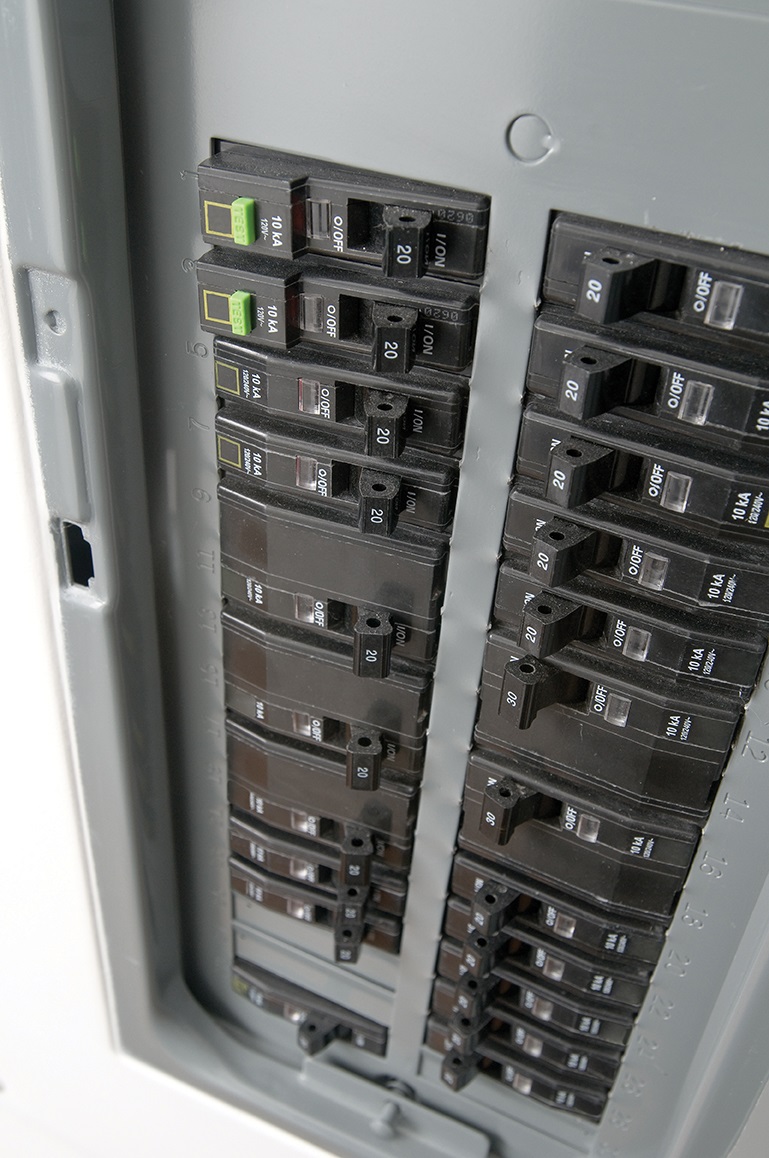
Morris discussed what he described as the “customer electrification journey,” which usually involves a series of “difficult decisions” about adding new electrical appliances in the home. He explained that the utility found the solution favored by most of its customers was a so-called “edge panel.” Through a partnership with Span, San Francisco, and Itron, Liberty Lake, Wash., PG&E can help customers acquire a smart add-on or side panel that connects to the existing meter. This setup helps customers and the utility manage incremental new loads from the home. The arrangement is a cost-effective alternative to a full panel or full-service upgrade.
PG&E estimates that more than 600,000 homes in its service area are likely to require some type of electric service upgrade in the next decade to meet electrification demand.
About The Author

LAEZMAN is a Los Angeles-based freelance writer who has been covering renewable power for more than 10 years. He may be reached at [email protected].