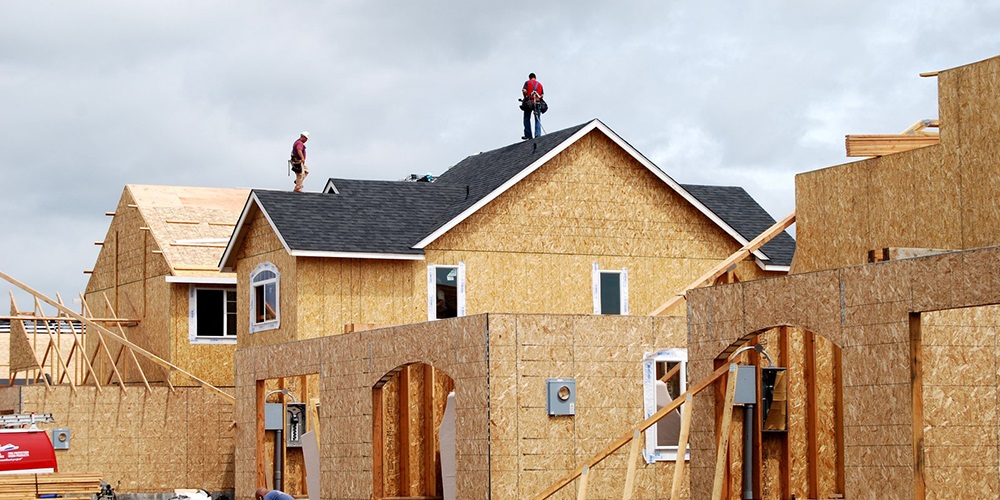
The New Residential Construction report from the Census Bureau released this month reveals a weak, but fluctuating, picture of new housing starts at the end of 2025. Privately owned housing starts in December 2025 were 7.3% below those in December 2024. Last year was already below the previous year for new housing starts, with 1,358,700 housing units, which was 0.6% below the 2024 figure of 1,367,100.
According to a statement shared with Newsweek by Lisa Sturtevant, chief economist for real estate listing service Bright MLS, North Bethesda, Md., homebuyers held back during the fourth quarter of 2025 despite lower mortgage rates.
“Affordability and economic uncertainty remain constraints on home buyers’ willingness to get into the market,” she said. Compounding the problem was a surplus of existing inventory.
Construction data from the Census Bureau provides a peek at the health of the U.S. housing market as well as the economy in general. The number of applications for building permits is viewed as an optimistic belief in future demand, job security and affordability, while housing starts serve as confirmation of that confidence as evidenced by investment in new construction projects.
When the number of permit applications declines, it signals loss of confidence in the housing market and lower demand, and even possibly a bad sign for the economy as a whole.
That is exactly what happened at the end of 2025. Affordability concerns for homebuyers created pessimism amongst U.S. homebuilders. Builder confidence in the market for newly built single-family homes fell one point to 36 in February, according to the National Association of Home Builders (NAHB)/Wells Fargo Housing Market Index (HMI). The HMI depicts overall builder sentiment toward housing market conditions on a scale of 0 and 100, with readings below 50 indicating less optimism among homebuilders about the current and near-term outlook for housing.
“Builders reduced their expectations for future sales as buyers report affordability challenges, which is contributing to declining consumer confidence for the overall economy,” NAHB chairman Buddy Hughes said in the February 2026 report.
One key indicator of housing starts is the number of permits issued for new construction. They were down 8% year-over-year in November and 2.2% in December, according to the latest Census Bureau report.
Sturtevant predicts builder caution in early 2026 but expects to see new construction increase in the spring. However, she said, ongoing challenges regarding supply could complicate new housing construction, particularly at lower price points: lack of construction labor, elevated land costs and wide-ranging local regulations.
NAHB chief economist Robert Dietz observes that efforts by builders to entice buyers by offering incentives, including price cuts, are not luring as many homebuyers as expected. He believes the solution lies in the enactment of policies that will “bend the construction cost curve and enable additional supply of attainable housing.”
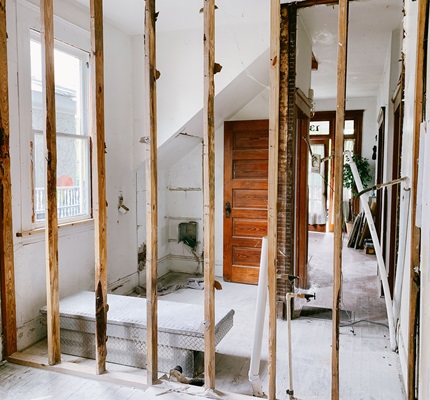
“Although demand for new construction has weakened, remodeling demand has remained solid given a lack of household mobility,” he added.
About The Author

Lori Lovely is an award-winning writer and editor in central Indiana. She writes on technical topics, heavy equipment, automotive, motorsports, energy, water and wastewater, animals, real estate, home improvement, gardening and more. Reach her at: [email protected]