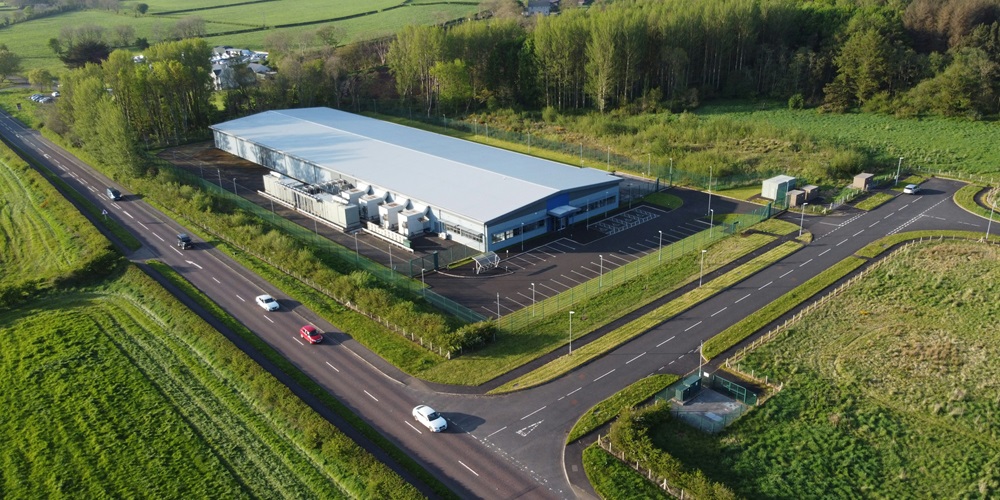
For years, electrical procurement followed a standard sequence. The project was designed, drawings were issued, the electrical contractor was awarded the job and equipment was released. Data center construction is challenging that sequence. With larger electrical loads, tighter schedules and a significant amount of electrical infrastructure, waiting until construction begins to consider procurement can create problems before electricians ever arrive on-site. For the electrical contractors working in the data center market, supply chain management is quickly becoming part of the preconstruction process.
Procurement is moving earlier
Data centers require a significant electrical infrastructure, including transformers, switchgear, generators, uninterruptible power supply (UPS) systems, busway and the supporting distribution equipment needed to keep these facilities operating reliably. With a limited amount of equipment manufacturers and heightened demand, equipment availability can influence the construction schedule. That changes the conversation during preconstruction.
Typically, an electrical contractor might receive the drawings and immediately begin pricing what was specified. On a data center project, another question is becoming equally important: Can we actually get it on time?
This is where design assist contractors can provide considerable value. Getting the electrical contractor, engineer, owner, manufacturer and distributor involved earlier gives the team an opportunity to evaluate equipment availability while the design is still developing. It is no longer what gear is preferred, but what gear is available. I’ve heard contractors describe this simply: “There isn’t much value in designing around a piece of equipment we can’t get.” That mindset doesn’t mean allowing the supply chain to dictate the entire design. It means making procurement another piece of information used when making design decisions.
BIM, prefab and procurement come together
Early equipment decisions also affect BIM/VDC and prefabrication. We have all been there—an electrical room containing switchgear that is 40 weeks out. The VDC team still needs accurate dimensions and connection locations. Prefab needs to know where the conduit will connect. The field needs layout information and block-out locations. A change in manufacturer or equipment configuration to meet the schedule can affect all three of these groups. The earlier that information reaches the team, the better.
This creates another field-to-office loop. Procurement information feeds the model, the model feeds prefab and layout, and field conditions provide information back to the VDC and project teams. Instead of procurement operating as its own silo, it becomes an integral part of how the project is planned and built.
Supply chain becomes a competitive advantage
The next phase may be less about simply finding equipment and more about understanding procurement data. Electrical contractors that track actual lead times, maintain strong manufacturer and distributor relationships and bring that information into preconstruction can help owners make better decisions earlier.
One project manager described it this way: “The owner doesn’t want to hear six months into the job that the gear is late. They want to know six months before the job starts that it could be late.” Data centers are accelerating a change that was already occurring across electrical construction. Procurement is moving upstream. For electrical contractors, the opportunity isn’t simply to purchase equipment faster. It’s to become the team member who understands how equipment availability affects design, BIM, prefab, manpower and ultimately the project schedule.
About The Author

CHRISTMAN specializes in innovation and construction technology from an electrical contractors point of view. He is passionate about elevating the industry. He can be reached at [email protected].