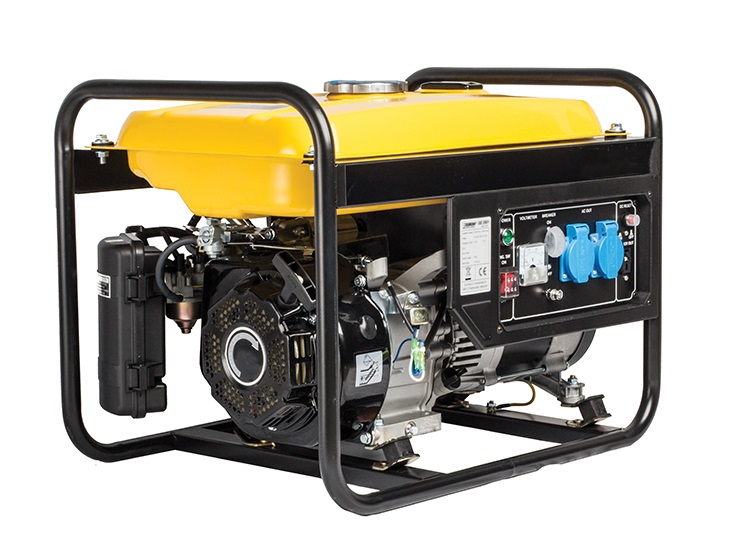
Portable generators have long been an essential tool for electrical workers, contractors, utility crews and disaster response professionals. They provide options when permanent power is unavailable, including after storms. Unfortunately, they also introduce overlooked hazards.
A big risk associated with portable generators is carbon monoxide (CO), an invisible, odorless and potentially deadly gas produced whenever gasoline, diesel, propane or natural gas engines operate. It is known as “the silent killer.”
CO incidents occur because workers often underestimate how quickly dangerous concentrations can accumulate. When combined with the electrical and fire hazards associated with generators, they demand a comprehensive safety approach.
When inhaled, CO prevents the blood from carrying enough oxygen throughout the body. Early symptoms of CO poisoning can include headache, dizziness, fatigue, nausea and confusion. These indicators often get confused with heat stress, dehydration or general fatigue. Prolonged exposure can quickly lead to unconsciousness and death.
Even workers exposed to very low levels of CO over weeks or months can exhibit long-term symptoms. It takes four to six hours to exhale about half of the inhaled CO in the blood. Giving the person 100% oxygen can speed this up some.
Electrical workers often rely on generators during storm restoration, emergency repairs and temporary construction. Unlike homeowners who may only use generators during occasional outages, electrical and utility workers can operate multiple units continuously for several days. These extended operation times increase the chance for unsafe placement, improper fueling, equipment failure and worker exposure.
A common misconception is that opening doors or windows provides adequate ventilation. OSHA specifically warns that generators should never be operated inside buildings, garages or partially enclosed areas because dangerous concentrations of CO can accumulate rapidly.
Proper placement is the single most effective way to prevent CO poisoning. As a rule, generators should always be operated outdoors in open, well-ventilated locations where exhaust cannot migrate into occupied spaces through doors, windows, vents or HVAC intakes. Wind direction should also be considered, particularly on large commercial projects where exhaust can be carried toward occupied work areas.
If possible, generators should be positioned well away from buildings while still allowing safe cord routing and equipment protection. Additionally, workers should recognize that CO can travel farther than expected. Safe placement requires considering where the generator sits and where exhaust gases may ultimately accumulate.
But wait, there’s more ...
Although CO often receives the most attention, there are several additional hazards that electrical workers must manage. Generators can also produce significant electrical energy. Improper grounding, damaged cords, wet conditions or incorrect connection methods can expose workers to serious electrical hazards. OSHA recommends plugging equipment directly into generator-mounted receptacles whenever practical or using heavy-duty extension cords rated for the intended load and outdoor use. As always, cords should be inspected before each use and removed from service if damaged.
Backfeeding is another critical concern. Connecting generators directly into building wiring without an approved transfer switch can energize utility lines, placing workers and emergency responders at risk of electrocution. Proper transfer equipment and lockout/tagout procedures are critical whenever temporary generators are connected to existing electrical systems.
Portable generators also present fire hazards because they combine hot engine components with flammable fuels. Generators should always be shut down and allowed to cool before refueling. Spilled gasoline contacting hot engine components can ignite almost instantly.
Fuel should be stored only in approved containers and away from ignition sources. Contractors should also avoid overloading generators, which can lead to overheating and equipment damage. Routine maintenance, including checking fuel lines, exhaust systems and the engine condition, should also be done. This reduces fire and CO hazards.
In recent years, many employers have begun incorporating portable CO monitors into their safety programs. They provide continuous air monitoring and audible alarms when CO concentrations begin to rise. OSHA recommends CO detectors or monitors wherever exposure hazards may exist. This is especially true in enclosed or partially enclosed work environments. Workers should never ignore monitor alarms or assume symptoms are unrelated to CO exposure.
If elevated levels are detected, work should stop immediately, affected personnel should move to fresh air and the source of exposure should be identified before operations resume.
Electrical workers should also receive training that includes safe generator placement, CO hazard recognition, proper grounding and bonding requirements, transfer switch operation and fuel handling procedures. They should be educated on electrical load management and emergency response procedures and understand that symptoms of CO poisoning can affect judgment, making self-recognition difficult.
stock.adobe.com/MAXSHOT_PL
About The Author

O’CONNOR is safety and regulatory affairs manager for Intec, a safety consulting, training and publishing firm. Reach him at [email protected].