We all understand that the National Electrical Code is basically a prescriptive installation code giving us the important requirements for installing an electrical system for dwellings, commercial buildings and industrial installations. The requirements are highlighted in NEC 90.2(B) in the 2026 code: the purpose of the NEC is the practical safeguarding of persons and property from hazards arising from the use of electricity. However, we cannot forget there are other codes and standards that also apply to ensure a safe electrical installation.
Immediately, NFPA 70E, the Standard for Electrical Safety in the Workplace, and NFPA 70B, the Standard for Electrical Equipment Maintenance, come to the forefront. Take care not to also overlook UL standards that deal with many of the listing requirements for most electrical products. These documents are just as important and as directly related to electrical installations as the NEC.
The trifecta
Let’s start out with the trifecta needed to create an optimal outcome. In this case, I mean the NEC, NFPA 70E and NFPA 70B. All three documents are extremely important to provide the perfect outcome for an electrical installation. If the system is installed in accordance with the NEC, it is acceptable and safe to be energized. Once it is energized based on the NEC, then NFPA 70E and NFPA 70B must be used.
Take, for example, an electrical service supplied with power from the electrical power utility where the service must be designed, built and capable of withstanding the maximum short-circuit current that will be delivered to the electrical service equipment. The service equipment must be able to withstand the amount of fault current delivered to the supply side of the service, and the overcurrent protective devices in the service must be able to safely interrupt the highest value of short-circuit current delivered to it.
Table 130.5(C) in NFPA 70E states that a new electrical circuit or system that has been installed or one that has been turned off for maintenance, based on any operating condition whether it is maintained or not, could cause an electrical arc flash incident. The text states that the operation of any circuit breaker or switch, either for the first time after installation or the completion of maintenance of the electrical equipment, could result in an arc event with temperatures up to 35,000°F.
Chapter 15 in NFPA 70B identifies the electrical maintenance requirements for low- and medium-voltage circuit breakers, such as molded-case circuit breakers rated less than or equal to 1,000V AC, insulated-case circuit breakers rated less than or equal to 1,000V AC, low-voltage power circuit breakers rated less than or equal to 1,000V AC and medium-voltage power circuit breakers rated greater than 1,000V AC to less than or equal to 69 kilovolts AC.
Obviously, the reason for proper maintenance on circuit breakers is to ensure they will be able to interrupt any fault current as quickly as possible to limit the amount of time the circuit is in a fault condition. If the fault current in the circuit is close to the maximum amount of the circuit breaker’s fault-current rating, then the circuit breaker must be retested before re-energizing it to ensure it will operate safely again. This is just a sample of how the NEC, NFPA 70E and NFPA 70B work together to ensure a safe and continued operation of the electrical installation.
UL standards
The last piece of the puzzle is the testing, listing and safe operation of electrical equipment. Most installers and users do not know the UL standards. Almost every part of the electrical system must be tested and listed to ensure safe use and operation.
Until 2014, UL provided this listing data in what was called the UL White Book, the Guide Information for Electrical Equipment. In the back was an index of UL Product Categories Correlated to the NEC.
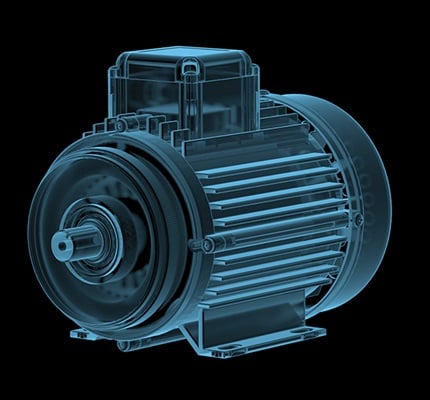
Today, this information is readily available by accessing the UL Product IQ online database. For example, NEC 430.109(F) permits a cord-and-plug connection for a motor, but only if the cord and plug are horsepower-rated. The UL Product IQ category RTRT, Receptacles for Plugs and Attachment Plugs, provides a table that gives the horsepower rating for NEMA configuration receptacles.
Don’t let yourself develop tunnel vision when it comes to compliance. Use all the codes and standards available for a safe installation, and be sure to become familiar with them all, including the documents mentioned here.
stock.adobe.com/karenm9071
About The Author

ODE is a retired lead engineering instructor at Underwriters Laboratories and is owner of Southwest Electrical Training and Consulting. Contact him at 919.949.2576 and [email protected].