One of the most popular points of contention in broadband internet delivery is that much of the United States is underserved or not served at all by internet speeds that meet the Federal Communications Commission's (FCC) definition of high-speed internet. Outside of the United States, the situation is even more dire.
Renowned entrepreneur Elon Musk is betting on space for global, super-fast internet service.
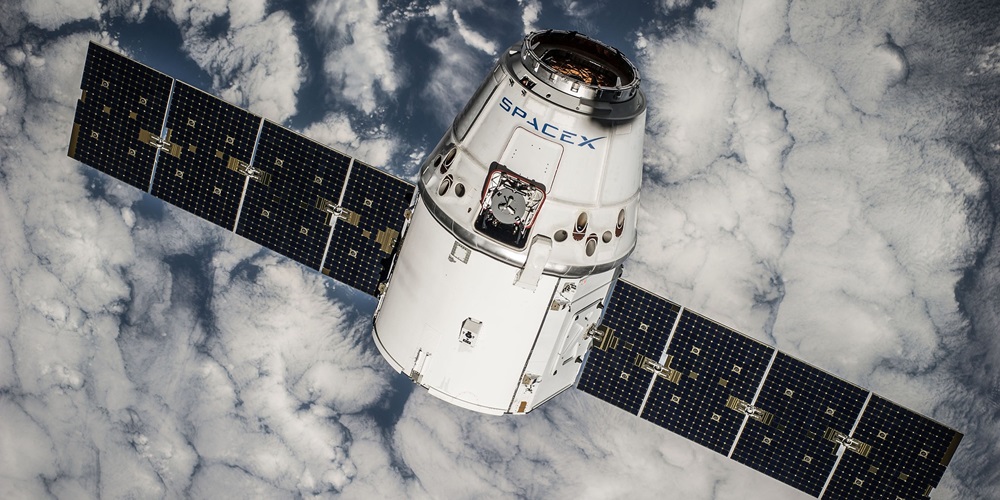
On Nov. 15, SpaceX, the private company that aims to get humanity to Mars, filed an application with the FCC to put 4,425 satellites into orbit around Earth.
To put that into perspective, according to the Union of Concerned Scientists, there are 1,419 active satellites in orbit. So, SpaceX's proposal would quadruple the number of satellites in our planet's orbit.
"The system is designed to provide a wide range of broadband and communications services for residential, commercial, institutional, governmental and professional users worldwide," SpaceX writes in its application.
SpaceX plans for a tiered approach, launching only 800 satellites at first. By final deployment, however, SpaceX states the network would provide bandwidths up to 1 gigabit per second (Gbps) per user.
According to SpeedTest.net, the average download speed in the United States was 19.27 megabits per second. According to Fastmetrics.com, the global average speed was 5.6 Mbps in 2015. So, if SpaceX's satellite network can achieve 1 Gbps on a global scale, it would be a huge improvement.
The proposal also contains a lot of contingency information related to the interference of the network's services with existing radio and satellite signals as well as handling the satellites' re-entry into Earth's atmosphere—the satellites are proposed to orbit for five to seven years before their orbits decay and they fall back to Earth.
How will this affect electrical contractors doing this kind of work?
It's important to remember this isn't going to happen anytime soon (although, SpaceX has stated it would have the initial constellation in operation by 2020), and it appears some of the other big players in broadband (e.g. Verizon) are looking toward 5G wireless. Either way, ELECTRICAL CONTRACTOR has always stressed that wireless isn't purely wireless because networks need cabling, too.
Regardless, it's still very early in SpaceX's plans. It would seem highly unlikely the future of broadband will be direct links between devices and satellites, considering satellites require line of sight, so such a network would require cabling to serve users under any kind of roof. In fact, the proposal includes a "phased-array user antenna," which likely would deliver service where direct satellite connection is not available.
It's also worth noting SpaceX estimates the system will provide service with latencies between 25–30 milliseconds. That is certainly very fast, but for certain tasks that require lower latencies, it may be inadequate, and other solutions may be necessary.
ELECTRICAL CONTRACTOR will watch this ambitious project and issue updates as it develops.
About The Author

JOHNSON is a writer and editor living outside Washington, D.C. He has worked in magazine, web and journal publishing since 2006, and was formerly the digital editor for ELECTRICAL CONTRACTOR magazine. Learn more at www.tjfreelance.com.