The construction sector views robotics technology more positively than prior years, but that doesn’t necessarily translate into a windfall of adoption. Chicago-based BuiltWorlds’ 2025 Equipment & Robotics Benchmarking Report shows increased overall support of automation and intelligent equipment workflows by construction companies, while the number of firms actively deploying robotics actually fell from 65% last year to 46%.
The report’s author, Audrey Lynch, said this may not reflect falling interest, but a matter of growing discernment. Instead of viewing the technology with a negative attitude as in previous years, firms are seeing automation as a positive option, applying it selectively.
“Those deploying the technology are doing so through more selective, though serious, implementation,” said Lynch, director of research for BuiltWorlds. “Contractors, owners and tech providers are exploring how robotics for tasks like layout, drilling and/or material transport, when combined with connected equipment and data-driven decision-making, can create a more efficient, responsive and scalable construction environment,” Lynch stated in a BuiltWorlds press release. “This shift reflects a broader industry movement toward intelligent, tech-enabled workflows that bridge field execution with digital planning and performance optimization.”
Robots and drones pair up with security
In physical security, systems integrators are beginning to view the technology as a necessary adjunct—leading to broader market acceptance of drones and robotics in specific markets like rail operations, manufacturing plants and industrial sites, according to Jake Shild, CEO and Founder, LandSkyAI, Elmwood Park, N.J.
“These environments are ideal for drones to help keep assets protected and people safe,” Shild said. “One particularly exciting development is integrating these autonomous systems into the existing security infrastructure, making their value clear and practical. Beyond just intrusion detection, we’re seeing significant use for general safety inspections, for example, identifying fire risks or hazardous conditions early to protect both property and people.”
Robotics and drones pair well with other technologies, such as intrusion detection, access control and perimeter security, providing both automated patrol and automated alarm response, Shild said.
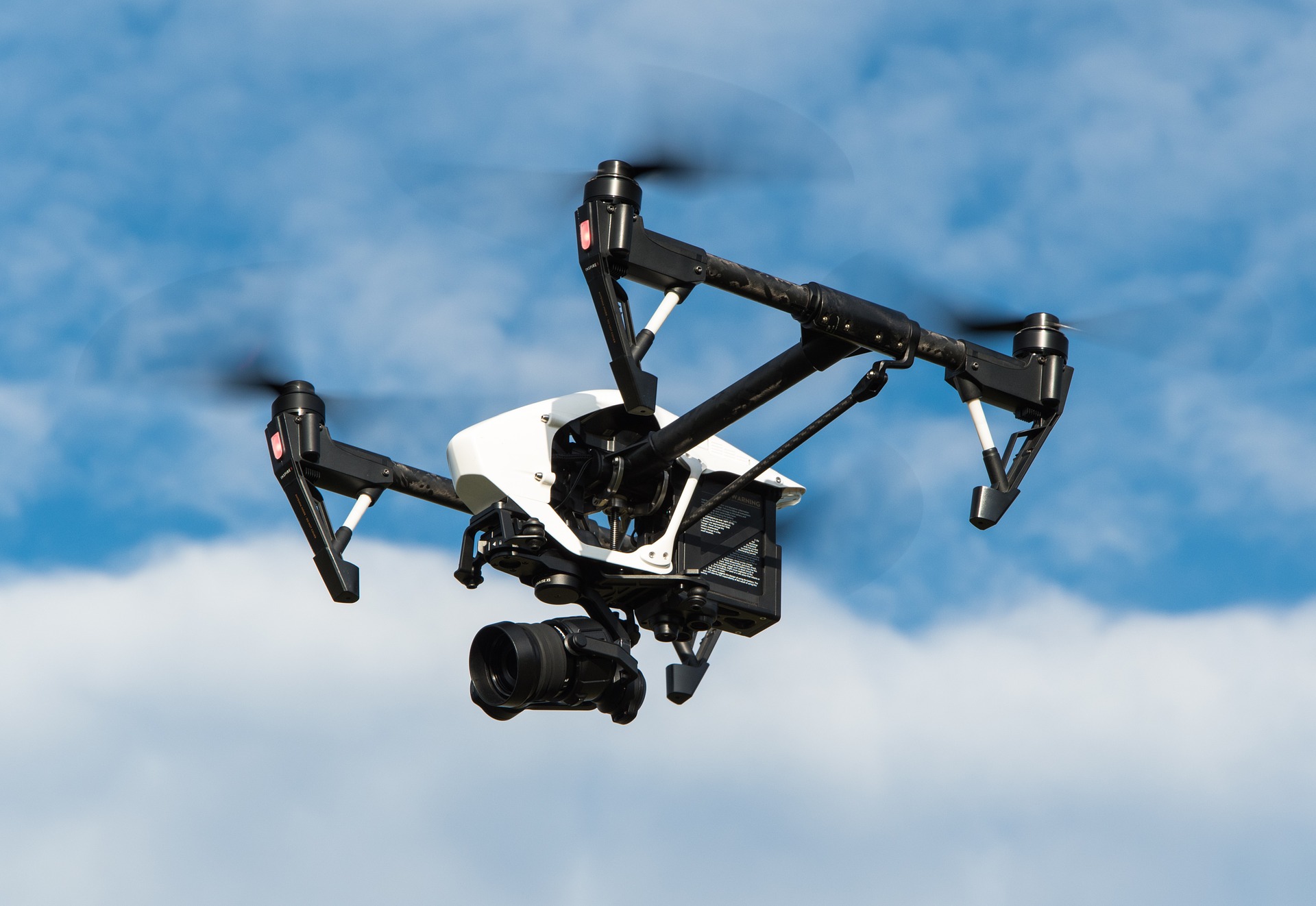
“If an intrusion sensor triggers in a building, then a drone can automatically hover around that location. Or, if a perimeter camera analytic spots something unusual, the drone can instantly launch to investigate. Our systems integrate seamlessly with a wide range of security technologies, from basic video streams recorded directly to the video management system to advanced alert structures linked with access control software.”
The future, he said, will push drone and robotics systems much deeper into automation territory. “We're moving toward intelligent drones that will make decisions or suggest actions based on visual analytics. Right now, analytics from moving cameras like drones are challenging, but improvements here will significantly expand what’s possible. Imagine a drone on patrol at a specific time, recognizing a specific vehicle, automatically alerting security and tracking the vehicle without human intervention until necessary (an operator would still be watching).
The trajectory for robotics is upward as it adapts to new environments and use-cases.
“I anticipate integrations with broader security systems becoming even tighter. Drones and robotics will comfortably exist alongside traditional cameras, access control and other systems on a unified interface, creating seamless security ecosystems,” Shild said.