Electrical Codes & Standards
News and stories about the codes standards used by electrical contractors—including the National Electrical Code, NFPA 72: National Fire Alarm and Signaling Code, NFPA 70E: Standard for Electrical Safety in the Workplace, NFPA 101: Life Safety Code, IEEE standards and more—appear monthly in ELECTRICAL CONTRACTOR Magazine and can be read and shared on ECmag.com. Electrical contractors need these codes to stay safe on the job, and many of the codes also protect those living and working in the buildings serviced by ECs.
Latest Articles
 Codes & Standards
Maintenance Matters: NFPA 70B is central to electrical safety
By
The condition of the electrical equipment is a critical factor influencing electrical safety, and it often receives far less attention.
 Codes & Standards
Sponsored content
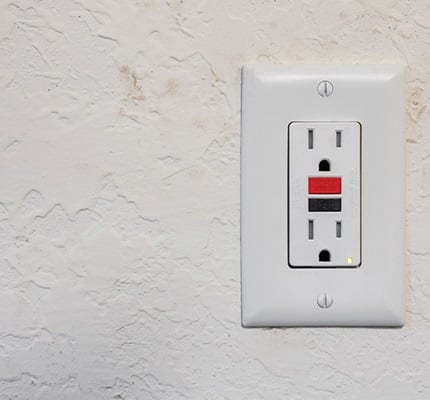
New GFCI Types
May 15, 2026
CQD Spotlight features questions and answers from NECA and ELECTRICAL CONTRACTOR’s Code Question of the Day program. Whether you’re a seasoned contractor, an apprentice or simply a National Electrical Code enthusiast, you’ll gain knowledge with a nod to the legacy of Charles M.
...2023 NEC Changes
In his 20-part series, National Electrical Code expert Mark Earley explained all the changes that went into the 2023 edition of the NEC as part of the three-year revision cycle.
Read Articles
More Codes & Standards Articles
-
![Maintenance Matters: NFPA 70B is central to electrical safety]() Codes & Standards
Codes & Standards
Maintenance Matters: NFPA 70B is central to electrical safety
By -
![New GFCI Types]() Codes & Standards
Codes & Standards
-
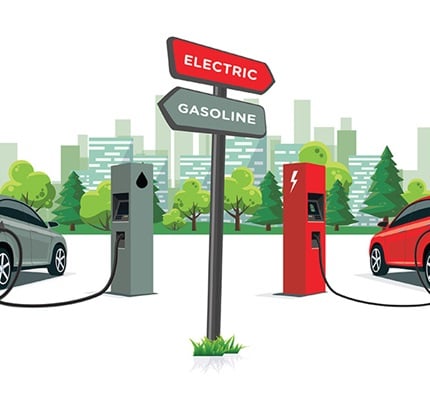
![At Your Service: Existing utility services and additions for EV charging equipment]() Codes & Standards
Codes & Standards
-
![Safety Requirements in the NEC: Label markings, GFCIs and more]() Codes & Standards
Codes & Standards
Safety Requirements in the NEC: Label markings, GFCIs and more
By -
![Safeguarding Transformers and Conductors: Primary and secondary protections]() Codes & Standards
Codes & Standards
-
![Hotel Receptacle Locations, Surge Protective Devices and More]() Codes & Standards
Codes & Standards
Hotel Receptacle Locations, Surge Protective Devices and More
By -
![A Code Evolution: Continuing with changes to Chapter 2]() Codes & Standards
Codes & Standards
A Code Evolution: Continuing with changes to Chapter 2
By -
![Why Markings Matter]() Codes & Standards
Codes & Standards
-
![Arc Flash Labels, Temporary Wiring and More]() Codes & Standards
Codes & Standards
Arc Flash Labels, Temporary Wiring and More
By -
![What Are We Protecting From? The wiring backbone, part 13]() Codes & Standards
Codes & Standards
What Are We Protecting From? The wiring backbone, part 13
By -
![Power to the Branches: Essential electrical systems, part 2]() Codes & Standards
Codes & Standards
Power to the Branches: Essential electrical systems, part 2
By -
![Risky Business: Evolution and adoption of the NEC]() Codes & Standards
Codes & Standards
Risky Business: Evolution and adoption of the NEC
By -
![You’re (Un)grounded: When to not ground a system, and why]() Codes & Standards
Codes & Standards
You’re (Un)grounded: When to not ground a system, and why
By -
![Essential Electrical Systems: Types and sources of power for life safety in hospitals]() Codes & Standards
Codes & Standards
-
![Determining the Load: The wiring backbone, part 12]() Codes & Standards
Codes & Standards
Determining the Load: The wiring backbone, part 12
By -
![Modernizing the Code’s Structure: A closer look at the changes to Chapter 2 in the 2026 NEC]() Codes & Standards
Codes & Standards
-
![Work Surface or Countertop Receptacles, Kitchen Renovation and More]() Codes & Standards
Codes & Standards
Work Surface or Countertop Receptacles, Kitchen Renovation and More
By -
![USB-Only Devices in Kitchens]() Codes & Standards
Codes & Standards
-
![Protecting Like It’s 1999: Changes in AFCI requirements]() Codes & Standards
Codes & Standards
Protecting Like It’s 1999: Changes in AFCI requirements
By -
![Get a Load of These Occupancies: The wiring backbone, part 11]() Codes & Standards
Codes & Standards
Get a Load of These Occupancies: The wiring backbone, part 11
By



featured Video
;
Turn Jobsite Minutes into Savings: Hassle-Free LED Driver Replacement with FieldSET® by eldoLED®
Because your time matters, there’s a faster way to replace LED drivers in the field with FieldSET programmable LED drivers. Hassle-free configuration using ONE handheld programming tool, no internet needed!
Magazines
Immediate access as well as a brochure-style overview of EC Magazine, Safety Leader and Line Contractor.